Spinal Pain
When is spinal pain less about the spine?
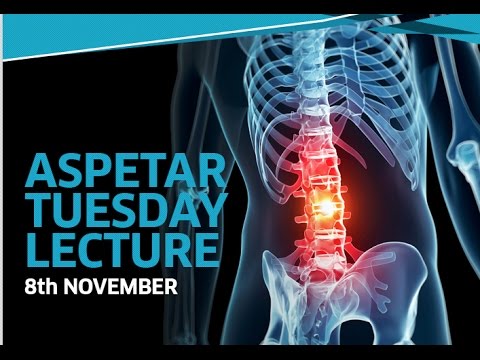
Spinal pain is a common condition that affects millions of people worldwide. It can range from a mild, temporary discomfort to a severe, chronic condition that significantly impacts daily life.
Causes of Spinal Pain
Spinal pain can originate from various sources, and identifying the root cause is essential for effective treatment. Some common causes include:
- Muscle Strain: Overuse or sudden movements can strain the muscles and ligaments in the back, leading to pain.
- Herniated Discs: Discs act as cushions between the vertebrae. When a disc herniates, it can press on nearby nerves, causing pain.
- Degenerative Disc Disease: As people age, the discs in the spine can degenerate, leading to pain and reduced mobility.
- Spinal Stenosis: This condition involves the narrowing of the spinal canal, which can put pressure on the spinal cord and nerves.
- Arthritis: Osteoarthritis can affect the spine, leading to pain and stiffness.
- Injuries: Accidents or falls can cause fractures or other injuries to the spine.
Symptoms of Spinal Pain
The symptoms of spinal pain can vary depending on the underlying cause and the specific area of the spine affected. Common symptoms include:
- Localized Pain: Pain may be felt in a specific area of the back or neck.
- Radiating Pain: Pain that spreads to other areas, such as the arms or legs, often due to nerve involvement.
- Stiffness: Reduced flexibility and difficulty moving the back or neck.
- Numbness or Tingling: Sensations in the extremities, often indicating nerve compression.
- Weakness: Muscle weakness in the arms or legs, which can be a sign of nerve damage.
Diagnosis of Spinal Pain
Diagnosing spinal pain typically involves a combination of medical history, physical examination, and diagnostic tests. Some common diagnostic methods include:
- Medical History: Understanding the patient's symptoms, lifestyle, and any previous injuries or conditions.
- Physical Examination: Assessing the range of motion, reflexes, and areas of tenderness.
- Imaging Tests: X-rays, MRI, or CT scans can provide detailed images of the spine to identify structural issues.
- Nerve Tests: Electromyography (EMG) and nerve conduction studies can assess nerve function and identify nerve damage.
Treatment Options for Spinal Pain
Treatment for spinal pain depends on the underlying cause and severity of the condition. Options may include:
- Medications: Pain relievers, anti-inflammatory drugs, and muscle relaxants can help manage symptoms.
- Physical Therapy: Exercises and stretches can improve flexibility, strength, and posture, reducing pain.
- Chiropractic Care: Manual manipulation of the spine can provide relief for some patients.
- Injections: Corticosteroid injections can reduce inflammation and pain in specific areas.
- Surgery: In severe cases, surgical intervention may be necessary to address structural issues or nerve compression.
Preventing Spinal Pain
While not all cases of spinal pain can be prevented, certain lifestyle changes can reduce the risk:
- Maintain Good Posture: Proper posture can reduce strain on the spine.
- Exercise Regularly: Strengthening the core muscles can support the spine and reduce the risk of injury.
- Lift Properly: Use the legs, not the back, when lifting heavy objects.
- Maintain a Healthy Weight: Excess weight can put additional strain on the spine.
- Quit Smoking: Smoking can contribute to spinal degeneration and pain.