Crocus (genus)
Plant identification
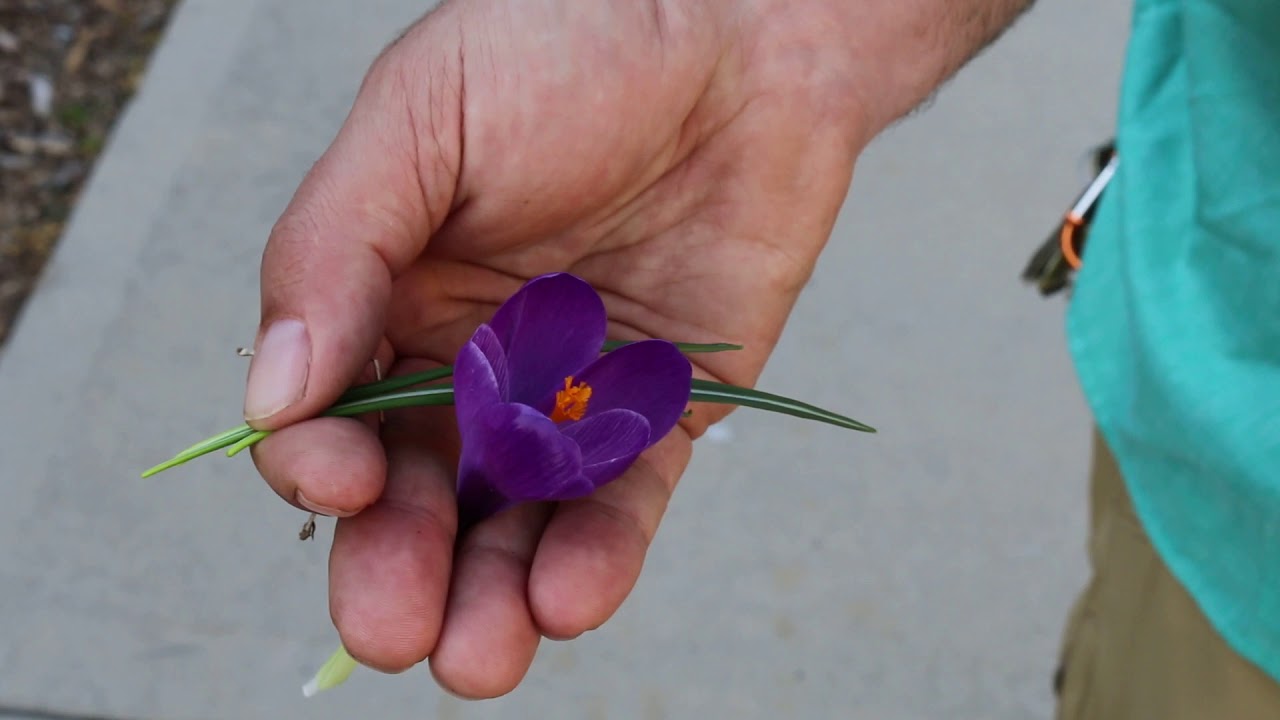

The genus Crocus is a group of flowering plants in the iris family, Iridaceae. Known for their vibrant and colorful blooms, crocuses are among the first flowers to appear in spring, often emerging through the snow. This genus includes around 90 species, which are native to a wide range of habitats from woodland to meadows across Europe, North Africa, and Asia.
Botanical Characteristics
Morphology
Crocus plants are perennial and grow from corms, which are bulb-like structures that store nutrients. The corms are typically small, measuring about 1-2 cm in diameter. Each corm produces a tuft of narrow, grass-like leaves and one or more flowers. The flowers are cup-shaped and come in a variety of colors, including purple, yellow, white, and blue.
Flower Structure
The flowers of Crocus species have six tepals (three petals and three sepals that are similar in appearance), which form a tubular base. The reproductive organs include three stamens and a three-part stigma, which is often brightly colored and extends beyond the tepals.
Habitat and Distribution
Crocus species are adapted to a variety of environments. They can be found in alpine regions, woodlands, and meadows. Some species are adapted to dry, rocky soils, while others prefer moist, well-drained conditions. The wide distribution of Crocus species is a testament to their adaptability and resilience.
Geographic Range
The natural range of Crocus extends from the Mediterranean region through Central Europe and into Western Asia. Some species are also found in North Africa. The diversity of habitats in these regions has led to a wide variety of Crocus species, each adapted to its specific environment.
Cultivation and Uses
Garden Cultivation
Crocus plants are popular in gardens due to their early blooming and vibrant colors. They are often planted in lawns, rock gardens, and borders. The corms are typically planted in the fall, about 3-4 inches deep and spaced a few inches apart. They require well-drained soil and a sunny or partially shaded location.
Saffron Production
One of the most well-known species of Crocus is Crocus sativus, commonly known as the saffron crocus. The stigmas of this species are harvested and dried to produce saffron, a highly valued spice used in cooking and traditional medicine. Saffron is known for its distinctive flavor, aroma, and color, and it is one of the most expensive spices in the world due to the labor-intensive harvesting process.
Ecological Importance
Crocus flowers are an important early source of nectar and pollen for bees and other pollinators. Their early blooming period provides a crucial food source for these insects at a time when few other flowers are available. This makes Crocus species valuable for maintaining healthy pollinator populations.
Pollination
The bright colors and sweet fragrance of Crocus flowers attract a variety of pollinators, including bees, butterflies, and beetles. The structure of the flowers is adapted to facilitate pollination, with the stamens and stigma positioned to maximize contact with visiting insects.