Cradle Cap
Oil of St John’s wort.
Videos
What is cradle cap?

Get rid of cradle cap:
Natural treatment
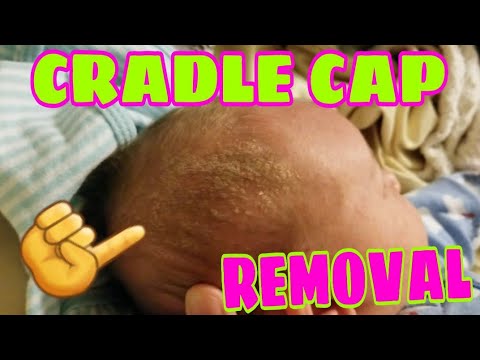
Cradle cap, medically known as infantile seborrheic dermatitis, is a common skin condition that affects newborns and infants. It is characterized by the appearance of yellowish, greasy, and scaly patches on the scalp. While it can be alarming for new parents, cradle cap is generally harmless and usually resolves on its own within a few months.
Symptoms and Appearance
Cradle cap typically presents itself with the following symptoms:
- Yellow or white scales on the scalp
- Greasy or oily patches of skin
- Thick crusts or flakes
- Mild redness in the affected area
In some cases, cradle cap can also appear on other parts of the body, such as the eyebrows, eyelids, ears, and the creases of the nose. However, it is most commonly found on the scalp.
Causes and Risk Factors
The exact cause of cradle cap is not well understood, but several factors are believed to contribute to its development:
- Overactive Sebaceous Glands: The sebaceous glands in a newborn's skin may produce too much oil (sebum), which can trap dead skin cells and form scales.
- Hormonal Influence: Hormones passed from the mother to the baby during pregnancy may stimulate the sebaceous glands.
- Yeast: A type of yeast called Malassezia may play a role in the development of cradle cap. This yeast is commonly found on the skin and can thrive in oily environments.
While cradle cap can affect any infant, certain factors may increase the likelihood of its occurrence:
- Family history of skin conditions like eczema or psoriasis
- Premature birth
- Dry skin
Diagnosis
Diagnosing cradle cap is usually straightforward and can be done by a pediatrician through a physical examination. No specific tests are required. The doctor will look for the characteristic scales and patches on the baby's scalp and other affected areas.
Treatment and Management
Cradle cap often resolves on its own without treatment. However, there are several methods to help manage and speed up the healing process:
- Gentle Washing: Wash the baby's scalp with a mild baby shampoo. Gently massage the scalp to loosen the scales, then rinse thoroughly.
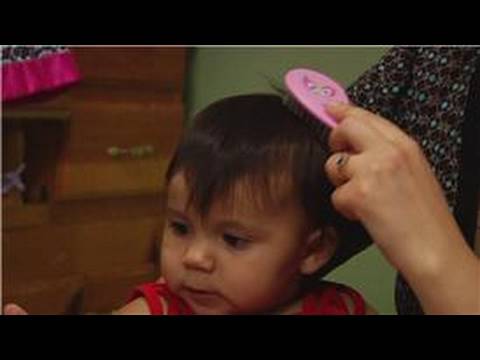
- Soft Brushing: After washing, use a soft brush or a fine-toothed comb to gently remove the loosened scales.
- Moisturizing: Apply a small amount of baby oil, mineral oil, or petroleum jelly to the affected areas to soften the scales before washing.
- Medicated Shampoos: In more severe cases, a pediatrician may recommend a medicated shampoo containing ingredients like ketoconazole or selenium sulfide. These should be used under medical supervision.
When to See a Doctor
While cradle cap is generally harmless, there are certain situations where medical advice should be sought:
- The condition spreads to other parts of the body
- The affected area becomes red, swollen, or starts to ooze
- The baby seems uncomfortable or itchy
- Home treatments do not improve the condition
Prevention
There is no guaranteed way to prevent cradle cap, but maintaining good scalp hygiene can help reduce the risk:
- Regularly wash the baby's scalp with a mild shampoo
- Avoid using harsh soaps or shampoos that can irritate the skin
- Keep the baby's scalp moisturized with gentle oils or lotions
Myths and Misconceptions
There are several myths and misconceptions surrounding cradle cap:
- Contagiousness: Cradle cap is not contagious and cannot be spread from one baby to another.
- Hygiene: Poor hygiene is not a cause of cradle cap. It is a common condition that can affect any infant, regardless of cleanliness.
- Permanent Condition: Cradle cap is not a permanent condition and usually resolves on its own within a few months.