Bloodroot
See also: Sanguinaria (genus)
Medicinal Parts: root and whole plant

Constituents
Listing on Duke's Phytochemical Database
Isoquinoline alkaloids of the benzophenanthridine type(4-7%):chief alkaloid sanguinarine,
sanguidaridine, sanguilutine, further including among others, chelerythrine, oxysanguinarine;protoberberine-type. berberine, coptisine; protopine-type, protopine, alpha- and beta-allocryptopine
sanguinaric acid, citric and malic acids
Resins
Starch
Bloom Window (Ozarks)
Early–mid March (sometimes late February in warm years)
Identification
- Single white flower (8–12 petals)
- Bright yellow center
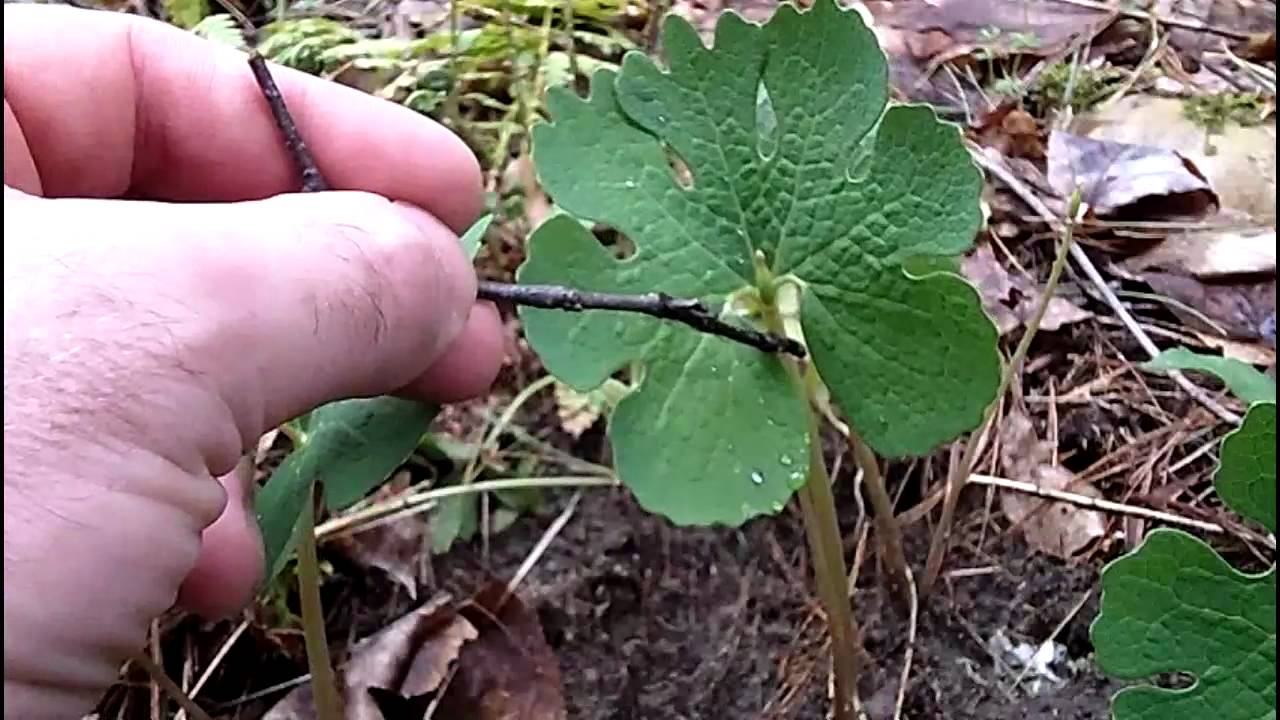
- One deeply lobed leaf wraps the stem
- Red-orange sap in rhizome (the “blood”)
Life Strategy
- Thick underground rhizome stores energy
- Emerges extremely early to capture full sunlight
- Seeds dispersed by ants (myrmecochory)
- Flowers close at night and in cold weather
Ecological Role
- Early nectar for small native bees
- Strong example of woodland ephemeral strategy
Bloodroot is an antimicrobial expectorant for chronic lung infections. It’s a very powerful lymph-moving herb, normally used as part of a formula for chronically swollen lymph nodes. Externally it is used for fungal infections, eczema, skin disorders, skin cancers, ringworm, scabies, warts and venereal sores.
Specific Indications: Fyfe: Burning, itching of throat; air passages hot, dry, and swollen. Sense of constriction in throat, difficult deglutition. Bronchial irritation with increased secretion. Uneasiness and burning in stomach.
Effects
Activities documented for Bloodroot are principally attributable to the isoquinoline alkaloid constituents, in particular sanguinarine. The basis of sanguinarine activity results from reactions with nucleophiles such as sulfhydryl enzymes. These reactions may produce inhibition of oxidative decarboxylation of pyruvate. Sanguinarin has been shown to have antimicrobial, anti-inflammatory, and antiplaque properties. Its use as an antiplaque agent and for gingivitis is plausible and has been documented in diverse studies. The alkaloids initially act as a narcotic, causing severe cramping that is followed by a local paralysis of sensitive nerve endings.
Antibiotic Effects
The benzo-(c)phenthridine alkaloids in Bloodroot have antimicrobial action in vitro, but due in vivo effect appears to be weaker. Electron microscope examination of bacteria exposed to a 1:1 mixture of sanguinarine and chelerythrine showed bacterial aggregation and irregular morphology. Antimicrobial activity of the alkaloid sanguinarine has been documented against both gram-positive and gram-negative bacteria, Candida, and dermatatophytes, and Trichomonas.
The antibacterial effects of sanguinaria extract are enhanced by zinc and by pH. The optimum pH (in vitro) was 6.5, and the minimum inhibitory concentration (MIC) values were 4 to 8 mcg/mL. When a combination product containing 300 mcg sanguinarin/mL and zinc chloride 0.2% was used, all strains, were inhibited.
Anti-inflammatory Effects: Sanguinarine appears to have greater anti-inflammatory action than does chelerythrine (another benzophenthridine alkaloid) when tested in a carrageenan ederma test model.In another animal study, the number of leukocytes was significantly reduced by a Sanguinaria extract concentration of 0.03%.
Bloodroot is a perennial flowering plant native to eastern North America. It is thought to have antiseptic, cathartic, diuretic, emetic, and escharotic (scab forming) properties and has been used for inflammation, cough, infections, as an anti-plaque agent, and for cancer treatment. The major constituent of blood root is sanguinarine, an alkaloid that exhibits antimicrobial , tumoricidal, anticancer, antiangiogenic and antimicrotubule properties. However, its efficacy has not been tested in humans.
Antiplaque Effects: The alkaloid sanguinarine converts to an iminium ion that is negatively charged and is then able to bind to plaques. A preparation containing 0.03% sanguinaria extract has been reported to reduce plaque by 20% to40% by some, and found to have no effect by others.
Sanguinaria has been shown to inhibit several oral microbial isolates that may play a part in plaque formation. Glycolysis in saliva is also inhibited. Salivary glycolysis inhibition by sanguinaria was greater than that of chlorhexidine, cetylpyridinium chloride, etylpyridinium chloride, domiphene bromide (Listerine). Sanguinarine is retained in plaque above the minimum inhibitory concentration for up to 2 hours after administration, and levels in plaque may be up to 100 times its level in saliva. In theory, this maykill plaque micro-organism without changing the rest of the oral flora.
Sanguinaria was assayed against 52 reference strains for oral bacteria. Additionally, 129 subgingival plaque isolates were taken from periodontal pockets and tessted to determine the minimum inhibitory concentrations. Sanguinarine was found to have a minimum inhibitory concentration of1to 16 micrograms/milliliters in 98% of the organisms tested.Ninety-eight percent ofisolates were killed at 32 mcg/ml. Exmples of various MICsinclude Actinobacillus species (8 to 16 mcg/mL)
Bone Resorption Effect: Collagenase formation and subsequent bone resorption stimulated by parathyroid hormone was inhibited in cultures of mouse calvaria bone treated with 20 mmol/liter of sanguinurine. In vitro inhibition of bone resorption and collagenase hasbeen documented.
Effects on Enzymes: Sanguinarine inhibits a variety of enzymes such as collagenase, aminotransferase, andbutyryl- and acetylcholinesterases. Sanguinarine is an inhibitor of the transcription nuclear factor kappa B. Activation of NF-kB may result in inflammation, viral replication, and growth changes. Sanguinarine was an inhibitor of liver alanine (ALT) and aspartate (AST) aminotransferase in rat liver postmitochondrial supernatant.
Topical use of bloodroot for skin cancer can lead to severe adverse effects including disfigurement. The use of sanguinarine as an oral antiplaque agent has been linked to leukoplakia.
Bloodroot is an ingredient in black salve, which is promoted as an alternative cancer treatment.
Mechanism of Action
Bloodroot was shown to have anticarcinogenic and anti-inflammatory properties in animals. It intercalates with DNA at guanine-cytosine-rich sequences. Sanguinarine inhibits the transcription factor NF kB and tubulin protein formation. It also activates pro-apoptotic Bcl-2 family proteins in immortalized human HaCaT keratinocytes and induces apoptosis in human prostate carcinoma cells . It was shown to induce apoptosis in HT-29 human colon cancer cells by increasing activation of caspases 3 and 9 .
Sanguinarine exhibits antiplatelet effects and reduces platelet thromboxane production. It also suppresses cyclooxygenase-1. The antiplaque effect of blood root is thought to be caused by the conversion of sanguinarine to an iminium ion that then binds to plaque. When used in oral preparation, bloodroot has been linked with leukoplakia . Bloodroot can inhibit the action of sodium-potassium ATPase and also prolong ventricular refractory period.
Qualities: pungent, bitter, hot, dry, stimulating, dispersing, decongesting, restoring
Tropism: lungs, heart, liver, stomach, intestines, reproductive and urinary organs
Ground:Phlegmatic and Melancholic krases ; Dependent/Tai Yin Earth and Burdened/Shao Yin biotypes; Lymphatic/Carbonic/Blue Iris constitutions.
Uses
- Bone resorption
- Cancer
- Infection
- Inflammation
- Oral Plaque
- Sclerosing agent
- Chronic cough
- Warts
- Migraines
Promotes expectoration, resolves phlegm cold/dryness and relieves coughing; opens the sinuses and relieves pain; restores the heart and lungs
lung phlegm cold: full cough with sputum expectoration, difficult breathing, chest pain, cold extremities
lung phlegm dryness: harsh dry cough with scanty or no sputum, irritation or tickle in throat BRONCHITIS (acute and chronic), mucous croup, whooping cough, pneumonia COUGH WITH IRRITATION OR DRYNESS
head damp cold: nasal discharges, burning or itching sensation in nose or sinuses RHINITIS, LARYNGITIS (both especially with burning pain or itching, with discharge)
heart and lung Qi deficiency; palpitations, chest oppression, fatigue, difficult or shallow breathing HEART & LUNG WEAKNESS
Physio-Medical Therapeutics, Materia Medica and Pharmacy BY T. J. LYLE, A.M.M. 1897
The fresh root is a very harsh, positive stimulant to the mucous membrane; the dry root is much less so. It influences the mucous membrane, the secernents and the glandular system. Large doses are quite nauseating. As an alterant it is excellent in glandular troubles, scrofula and skin diseases. It is useful in diphtheria internally and externally, and in the cleansing of old sores in preparation for a healing dressing.
It is one of the best additions to cough syrups; it cleanses the mucous membrane, induces expectoration and relieves irritation of the bronchi. With acetous Syrup of Lobelia, or the 3rd Prep. of Lobelia, it is unexcelled in the treatment of membranous croup. The combination must be proportioned to the age of the child and the severity of the case. Give every few: minutes until the child vomits and expels the membrane. Then give small doses at longer intervals to prevent a recurrence.
In asthma Sanguinaria is a valuable addition to Lobelia, and in whooping cough a small portion with the Acetous Syrup of Lobelia is a success. Give enough and give frequently enough to compel the spasmodic efforts to cease.
In sluggish cases it is a good emmenagogue.
An infusion of only moderate strength may be used as an injection in case of leucorrhoea but not where the vagina is irritated.
Sanguinaria may be combined with hepatics in torpid catarrhal conditions of the alvinc membrane. Toning agents will then be more effective.
The Acetous Tincture is made by heating Acetum oz. xvi to the boiling point and adding to oz. iv of Powd. Sanguinaria.
Combined with Glycerin the infusion or fluid extract will invigorate the hair follicles and prevent the falling out of the hair, whether as a result of fever or other causes; but, it will not make hair grow on bald heads. Applied to the skin when inflamed by poisonous contact it will promptly relieve the itching and burning..
Sanguinaria and Lobelia may be used in equal parts in cases of pruritis..
Powdered Root or Tincture Sanguinaria acts energetically in cases of fungoid tumours and ringworm. The nitrate of sanguinaria is an escharotic. It is reported that the fresh leaf of this agent persistently applied to smoker's cancer of the lip is painless and will remove it whole. Sanguinaria in Syrup of Licorice will be found to give good results in asthma.
Dr. M. Hermance says for granulated eyelids, make a strong decoction with boiling water, then let it cool, filter and bottle. Then add tannin and shake until flocculent, opaque and of a creamy colour. Evert the lids and apply with a camel's hair brush to the under side of the lids.
Sanguinaria and Myrica in equal parts in fine powder mixed thoroughly and applied to a nasal polypus or a polypus elsewhere, Dr. Hermance says will remove the polypus in a few days.
The persistent use of small portions of Sanguinaria will in time cure hay fever, provided the nasal mucous membrane is duly cared for. (3x, third trituration) is excellent as a snuff in such cases.
The application of powdered Sanguinaria to fungus growths will often cause them to shrivel up and be cast off.
The Physiomedical Dispensatory by William Cook, M.D., 1869
Properties and Uses: This root, coming from the suspicious Family of the poppies, is accused of being an aero-narcotic. I long shared the same belief; but the thorough investigation of it by the members of the Indiana Physio-Medical Association, (Transactions, 1866,) shows quite to the contrary, so far as concerns the dried root. The fresh root is bitter and harsh. The dried root is a slow relaxant and stimulant, influencing the mucous membranes, gall-ducts, and secreting organs in general. Large quantities are nauseant, and even emetic, especially to those of sensitive organization; but the bilious and lymphatic are seldom more than slightly nauseated by it. As an emetic, it is slow and harsh; and though some would deem it a virtue to “modify” lobelia by its association, it is altogether too harsh an article for emetic purposes, and should have no connection with lobelia for such purposes. Small doses arouse the stomach slowly in atonic dyspepsia, act moderately upon the gall-ducts, and promote expectoration in low coughs.
Chronic torpor of the liver in bilious temperaments, and chronic jaundice, are the conditions in which its use is most available. For chronic affections of the skin, arising from hepatic torpor, it may be used in quite small proportions with relaxing alterants; but it is not beneficial in dropsy and scrofula, except as an addendum in low cases. Small quantities may be added to relaxants for expectorant purposes. It is not an agent to be used in sensitiveness or irritability of any mucous membrane or other part, but only in sluggish conditions. Combined in limited quantities with hydrastis and lobelia, it may be used in chronic catarrh and nasal polypus, as a snuff, if the parts are freely discharging and are not too sensitive. I have found great benefit in applying the same combination, in powder, upon true hunterian and indolent chancres; in a short time obtaining a discharge and the removal of the gray membrane, when the sanguinaria may be omitted. The powder is also a good application to fungous ulcers; but does not act as an escharotic, as is generally asserted. The U. S. Dispensatory says four persons lost their lives at Bellevue Hospital, New York, by drinking largely of blood root tincture in mistake for ardent spirits–a due share in the disaster being of course due to the alcohol, and the report failing to note the symptoms peculiar to sanguinaria.
Dose of the powder as a tonic and alterant, two to five grains three times a day; as an expectorant, one to two grains every second hour or less. Twenty grains or less are said to prove emetic, but this would be only in sensitive persons. Usually, not more than an ounce of blood root is used in a gallon of any ordinary alterative sirup, as in a compound of celastrus, arctium, and euonymus. The powder combined with leptandrin, in boneset extract, forms a good pill for hepatic purposes. Some combine it with leptandrin and podophyllin in powder; and such a mixture is truly a sharp hepatic purge, and any considerable dose of it will cause persistent and harsh retching for hours.
Pharmaceutical Preparations:
I. Tincture. Crushed sanguinaria, six ounces; diluted alcohol, a quart. Digest for two weeks, and filter, or macerate in a sufficient quantity of the alcohol for two days, and then treat by percolation till a quart has passed. In doses of from five to fifteen drops, it is an actively stimulating expectorant addition to cough sirups, especially in languid conditions. An acetous tincture is made with four ounces of blood root and a quart of distilled vinegar, and is also used as an expectorant; but both these preparations are rather harsh to the respiratory membranes. In doses of a fluid drachm every ten or fifteen minutes, in diluents, they prove quickly emetic; but are useful only in sudden and alarming cases, as in narcotic and other poisoning. An ounce of the acetous tincture to seven ounces of rose water, makes a good wash for ringworm, eczema, pimples on the face, etc.
II. Compound Tincture. Two ounces each of sanguinaria, lobelia, and skunk cabbage, are treated with a quart of diluted alcohol, as for simple tincture. Or the same articles may be treated with a quart of distilled vinegar, to form the compound acetous tincture. These are less harsh, and more generally useful, expectorants than either of the preceding; and may be given in doses of from five to twenty drops in some suitable sirup. Neither of them is fitted for sensitive cases; and as an emetic, they are still too harsh for ordinary use. The preparation on vinegar is always least valuable for internal use; but is admirable, with rose water, in the skin affections above named, and is also an excellent application (especially with an equal quantity of glycerin) to give tone to the hair follicles and prevent baldness.
Alcoholic preparations of this article exhibit its harshness to the fullest degree; and are not so appropriate for alterant purposes as preparations on water.
III. Sanguinarin. Make a saturated tincture of blood root with absolute alcohol, by percolation. Distill off one half the alcohol, add the remainder to twice its own bulk of distilled water, and distill off the remainder of the alcohol. By standing for several days, a precipitation slowly takes place, which is to be washed, and carefully dried. The product is a reddish-brown powder, bitterish and nauseous, and leaving a persistently acrid taste on the fauces. This preparation seems to represent the relaxing and alterant influence of the root most fully. Doses of two or three grains at intervals of four hours, soften and reduce the frequency of the pulse in sub-acute rheumatic fever, gouty fever, and similar cases; and though not a suitable remedy for other fevers, it seems not to disturb the brain at all, though some have classed it as narcotic. On the liver it acts slowly but effectually; and half a grain, with a grain or more of leptandrin, makes an excellent hepatic alterant, especially in skin affections arising from the liver. This article enters into a large variety of compounds with aralia, lobelia, caulophyllum, and other agents. While marvelous and contradictory powers have been ascribed to it, I think close observation will justify the above limitation of its powers, whether alone or in combination.