Common Mallow / Cheeses
See also: Malva (genus)
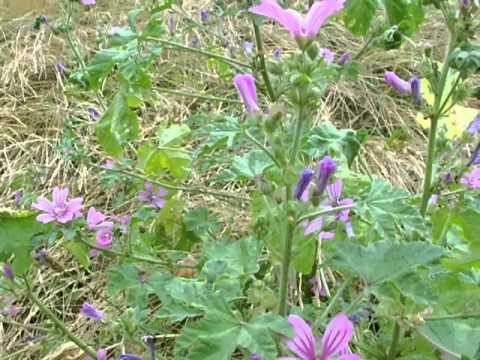
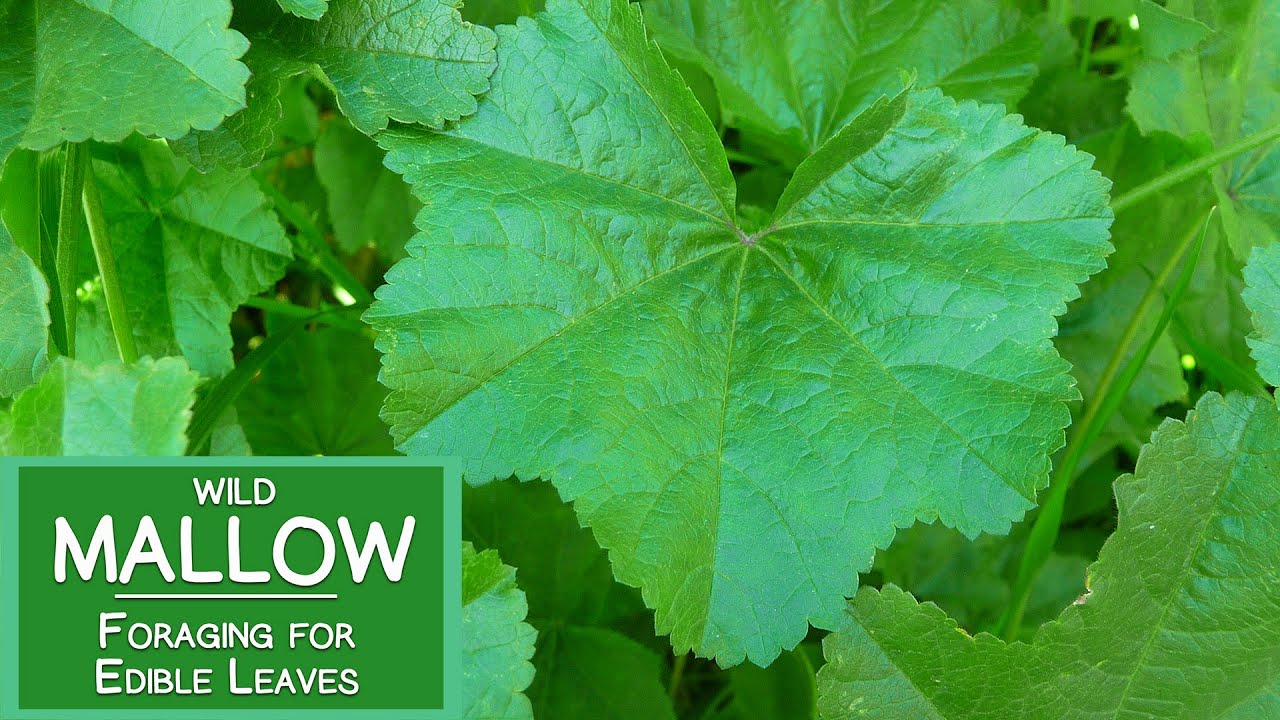
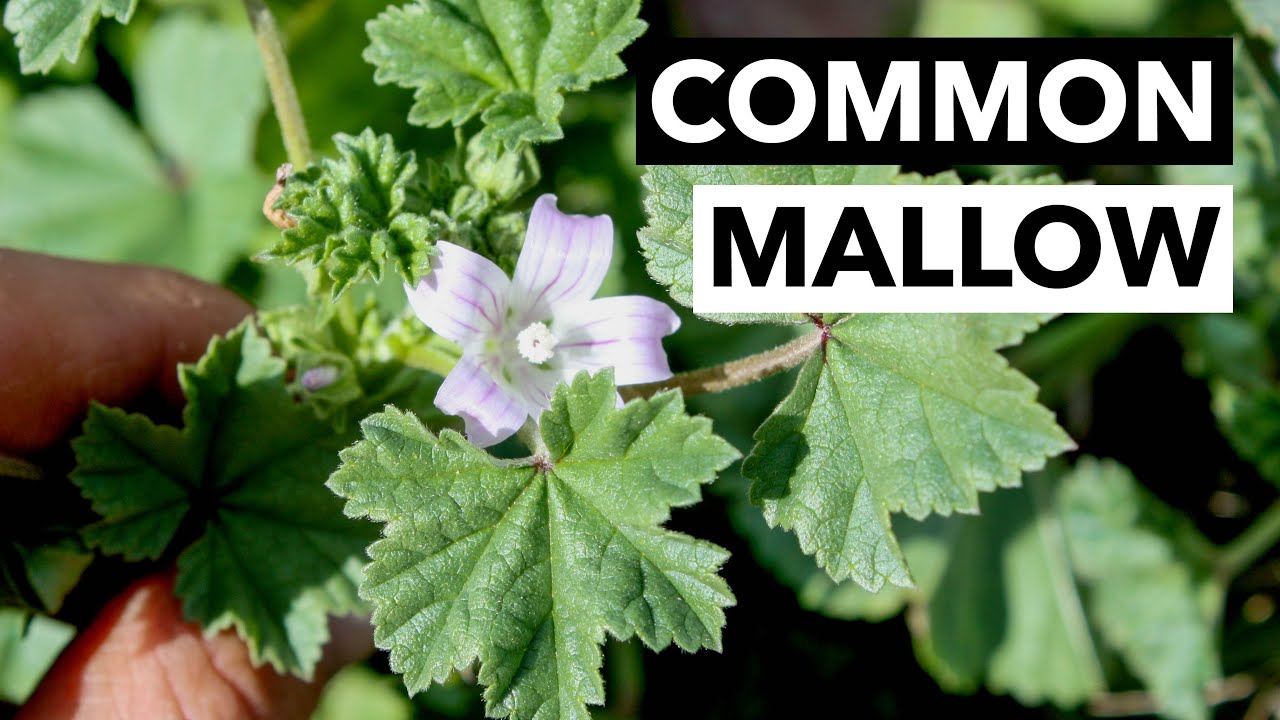
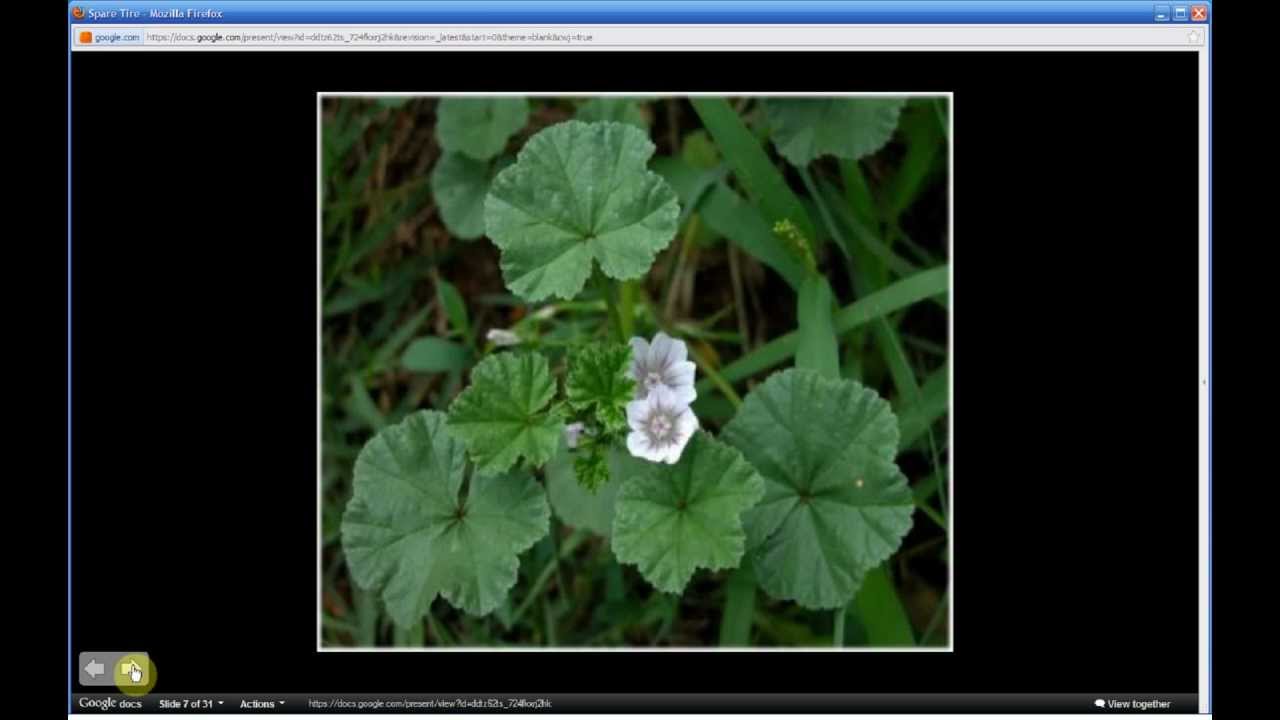
Malva neglecta, commonly known as common mallow, is a herbaceous plant belonging to the Malvaceae family. This plant is often found in temperate regions around the world and is known for its resilience and adaptability. Despite being considered a weed in many areas, Malva neglecta has a rich history of use in traditional medicine and culinary applications.
Botanical Characteristics
Appearance
Malva neglecta is a low-growing, sprawling plant that can reach up to 60 cm in height. It has round, lobed leaves that are typically 2-10 cm in diameter. The leaves are covered with fine hairs, giving them a slightly fuzzy texture. The plant produces small, pale pink to white flowers, each with five petals, which bloom from late spring to early fall.
Root System
The root system of Malva neglecta is quite robust, featuring a deep taproot that allows the plant to access water and nutrients from deeper soil layers. This makes it particularly drought-resistant and capable of thriving in poor soil conditions.
Seeds
The seeds of Malva neglecta are small, brown, and kidney-shaped. They are encased in a capsule that splits open when mature, allowing the seeds to disperse. The plant is known for its prolific seed production, which contributes to its ability to spread rapidly.
Habitat and Distribution
Malva neglecta is native to Europe and Asia but has become naturalized in many other parts of the world, including North America and Australia. It thrives in a variety of habitats, from gardens and lawns to roadsides and waste areas. The plant prefers well-drained soils but can tolerate a range of soil types, including clay and sandy soils.
Uses and Benefits
Traditional Medicine
Malva neglecta has been used for centuries in traditional medicine. The leaves, flowers, and roots are all utilized for their medicinal properties. Some of the common uses include:
- Anti-inflammatory: The plant is known for its anti-inflammatory properties and is often used to treat conditions like sore throats, bronchitis, and gastrointestinal issues.
- Emollient: The mucilage in the plant's leaves and flowers can soothe irritated skin and mucous membranes, making it useful in treating wounds, burns, and insect bites.
- Diuretic: Malva neglecta is also used as a mild diuretic to help with urinary tract infections and kidney stones.
Culinary Uses
In addition to its medicinal uses, Malva neglecta is also edible. The young leaves and shoots can be eaten raw in salads or cooked like spinach. The seeds are also edible and can be roasted or ground into a flour. The plant is rich in vitamins A and C, as well as calcium and iron, making it a nutritious addition to the diet.
Cultivation and Control
Growing Malva Neglecta
While often considered a weed, Malva neglecta can be intentionally cultivated for its medicinal and culinary benefits. It is relatively easy to grow and requires minimal care. Here are some tips for growing Malva neglecta:
- Soil Preparation: Prepare well-drained soil by adding compost or organic matter to improve fertility.
- Planting: Sow seeds directly in the ground in early spring. Space the seeds about 30 cm apart to allow for growth.
- Watering: Water the plants regularly, especially during dry periods, but avoid overwatering as the plant is drought-resistant.
- Maintenance: Remove any competing weeds and consider mulching to retain soil moisture.
Controlling Malva Neglecta
If Malva neglecta becomes invasive, it can be controlled through various methods:
- Manual Removal: Pulling the plants by hand is effective, especially when the soil is moist. Ensure that the entire root system is removed to prevent regrowth.
- Mulching: Applying a thick layer of mulch can suppress the growth of Malva neglecta by blocking sunlight.
- Herbicides: In severe cases, herbicides may be used, but this should be a last resort due to potential environmental impacts.
ARTICLES/STUDIES
Effect of Malva Neglecta Wallr on Ethylene Glycol Induced Kidney Stones
A survey on Hibiscus rosa—sinensis, Alcea rosea L. and Malva neglecta Wallr as antibacterial agents