Infant's Brain Development
Videos
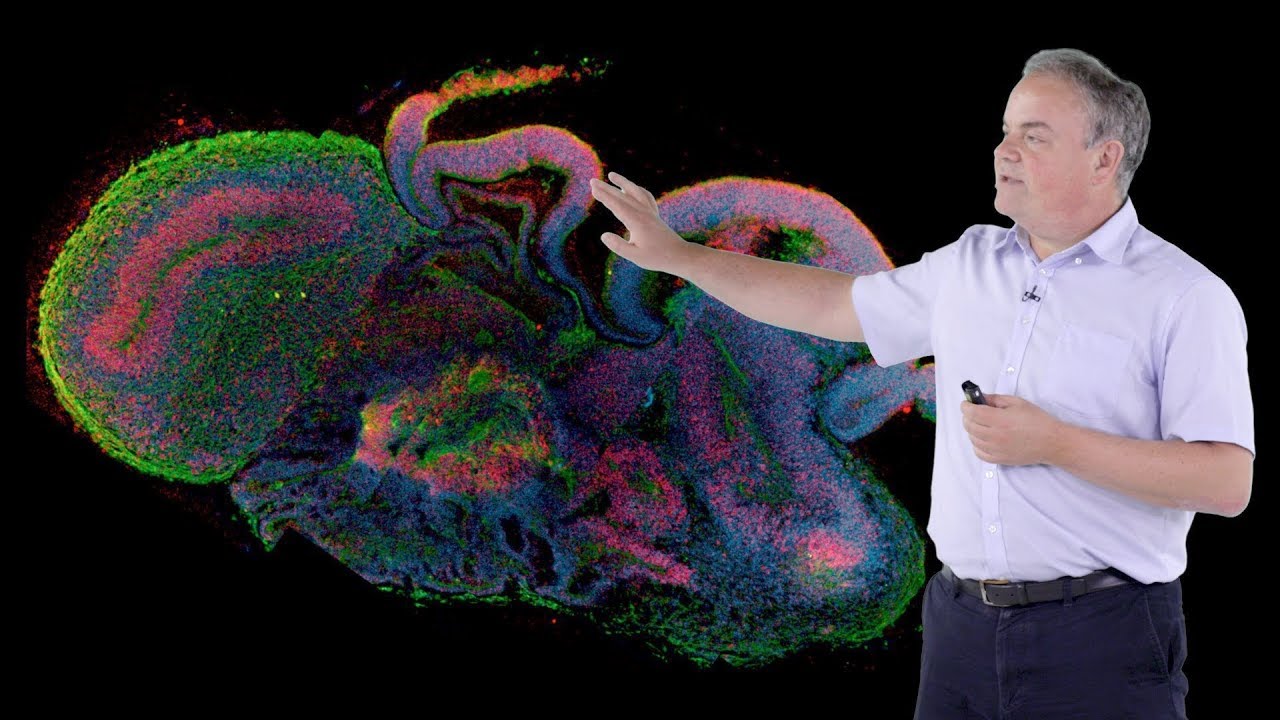
Modeling human brain development in 3D
Blood cells drive brain development:

Brain Development in Preterm Infants
Exposure to Early Psychosocial Deprivation Can Undermine Healthy Brain Development
Does Mozart Make Your Baby A Genius?
Infant brain development is a fascinating and complex process that begins in the womb and continues through early childhood. This period is crucial as it lays the foundation for cognitive, emotional, and social development.
Prenatal Brain Development
The journey of brain development starts during pregnancy. By the third week of gestation, the neural tube forms, which will eventually become the brain and spinal cord. During the first trimester, neurons begin to form at an astonishing rate, a process known as neurogenesis. By the end of the second trimester, the brain's basic structure is in place, and synaptogenesis, the formation of synapses between neurons, begins.
- Neurogenesis: The creation of new neurons.
- Synaptogenesis: The formation of synapses between neurons.
Postnatal Brain Development
After birth, an infant's brain continues to grow and develop rapidly. The brain doubles in size during the first year and reaches about 80% of its adult volume by age three. This growth is driven by the formation of new synapses, a process that peaks during the first few years of life.
Two-month-old babies are already making sense of the world. Babies show early cognitive abilities. At just two months old, babies are already organizing the world in their minds. Brain scans revealed distinct patterns as infants looked at pictures of animals, toys, and everyday objects, showing early category recognition. Scientists used AI to help decode these patterns, offering a rare glimpse into infant thinking. The results suggest babies begin learning and understanding far sooner than expected.
Critical Periods
Certain periods in early childhood are critical for specific types of development. For example, the first few months are crucial for sensory development, while language acquisition is most effective during the first few years. During these critical periods, the brain is particularly receptive to environmental stimuli, which can significantly influence development.
Synaptic Pruning
As the brain develops, it undergoes a process called synaptic pruning. This involves the elimination of excess synapses, allowing the brain to become more efficient. Synaptic pruning is influenced by experiences and is essential for the development of a well-functioning brain.
Factors Influencing Brain Development
Several factors can influence an infant's brain development, including genetics, nutrition, and environment.
Genetics
Genetic factors play a significant role in brain development. They determine the basic structure and function of the brain, influencing everything from the number of neurons to the way synapses are formed.
Nutrition
Proper nutrition is vital for brain development. Nutrients such as omega-3 fatty acids, iron, and zinc are essential for the growth and function of the brain. Breastfeeding is often recommended as it provides the necessary nutrients and antibodies that support brain development.
Environment
The environment in which an infant grows up can have a profound impact on brain development. A stimulating environment with plenty of opportunities for interaction and exploration can promote cognitive and emotional growth. Conversely, a lack of stimulation or exposure to stress can hinder development.
- Stimulation: Activities that engage the senses and promote learning.
- Stress: Prolonged exposure to stress can negatively affect brain development.
The Role of Caregivers
Caregivers play a crucial role in supporting an infant's brain development. By providing a nurturing and stimulating environment, caregivers can help promote healthy development.
Responsive Caregiving
Responsive caregiving involves being attentive to an infant's needs and responding appropriately. This type of caregiving helps build a secure attachment, which is essential for emotional and social development.
Encouraging Exploration
Allowing infants to explore their environment safely encourages curiosity and learning. Providing a variety of toys and activities can stimulate cognitive development and help infants develop problem-solving skills.
Language and Communication
Talking to infants and engaging them in conversation, even before they can speak, is crucial for language development. Reading to infants and exposing them to a rich vocabulary can enhance their language skills and cognitive development.
Articles/Studies
Scientists found the brain doesn’t start blank, it starts full. The brain’s memory center may begin life more like a crowded web than an empty canvas. Researchers discovered that early neural networks in the hippocampus are dense and seemingly random, then become more organized by shedding connections over time. This pruning process creates a faster, more efficient system for linking experiences and forming memories.
The secret to human intelligence? It might be in our gut. New research shows gut bacteria can directly influence how the brain develops and functions. When scientists transferred microbes from different primates into mice, the animals’ brains began to resemble those of the original host species. Microbes from large-brained primates boosted brain energy and learning pathways, while others triggered very different patterns.
Scientists discover neurons must break their DNA to build the brain. Neuronal migration causes DNA breaks. As newborn neurons make their way through the developing brain, they must squeeze through incredibly tight spaces to reach their final destinations. Researchers discovered that this physical journey routinely causes some of the most severe forms of DNA damage—double-strand breaks—yet the young brain has evolved an impressive ability to repair the damage almost immediately.
Scientists Uncover How the Infant Brain Rewires Itself at Birth
Human Brain Development: Growth After Birth Challenges Previous Assumptions A new study challenges the belief that human newborns have significantly less developed brains compared to other primates. The research reveals that human infants are born with brains typical of similar primate species, but their brains grow larger and more complex post-birth, giving the impression of underdevelopment.
Genes and Nutrition Shape Baby Brain Growth
Mother’s Voice Boosts Language Development in Babies
Mother's voice aids preemie brain development. Hearing their mother’s voice may help premature babies develop stronger language pathways in the brain. In a groundbreaking study, preemies who regularly listened to recordings of their mothers reading had more mature language-related brain connections than those who did not.
Infants Use Mom’s Scent to Recognize Faces
A new study reveals that infants use their mother's scent to enhance facial recognition. This ability to integrate sensory cues improves significantly between four and twelve months of age. Researchers found that younger infants rely heavily on their mother's scent, while older infants depend more on visual information alone. The findings highlight the importance of multisensory exposure
The Impact of Violent Neighborhoods on Brain Development
Developmental neurotoxins and the vulnerable male brain
Signaling circuit interplay pushes newborn neurons out of the neuronal nest Scientists have uncovered the intricate circuit cues behind neuronal cell maturation and migration, which is required for proper cognitive function.
Infant massage and brain maturation measured using EEG.
More chemicals, fewer words: Exposure to chemical mixtures during pregnancy alters brain development
Gut bacteria influence brain development
Genetic defects in folate and cobalamin pathways affecting the brain
Infants can't talk, but they know how to reason
Helpful B cells lend a hand to developing neurons
Astragaloside IV is able to protect developing brain from anesthesia-induced neuroapoptosis