Wild Turmeric
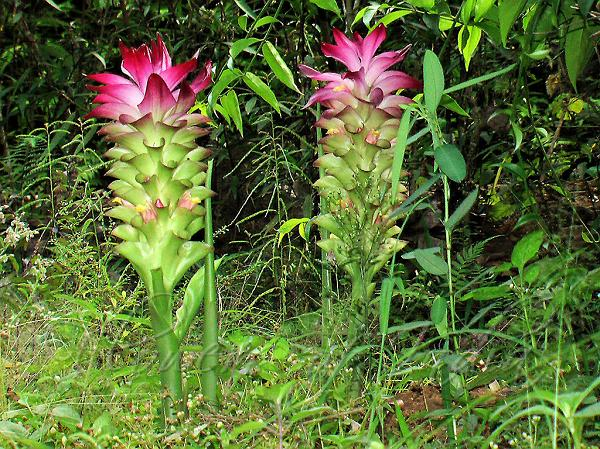
Wild Turmeric, scientifically known as Curcuma aromatica, is a perennial herbaceous plant belonging to the Zingiberaceae family. This plant is native to South and Southeast Asia, particularly India, where it has been used for centuries in traditional medicine, culinary practices, and cosmetic applications. Unlike its more commonly known relative, Curcuma longa (commonly referred to as turmeric), Wild Turmeric is distinguished by its unique properties and uses.
Botanical Characteristics
Wild Turmeric is characterized by its rhizomatous root system, which is the primary part of the plant used for various applications. The rhizomes are aromatic, with a distinct fragrance that sets them apart from other turmeric varieties. The plant itself grows to a height of about 1 to 1.5 meters and features broad, lanceolate leaves. The flowers are typically yellow with a pinkish tinge, adding to the plant's ornamental value.
Chemical Composition
The rhizomes of Wild Turmeric contain a variety of bioactive compounds, including:
- Curcuminoids: These are the primary active compounds responsible for the plant's anti-inflammatory and antioxidant properties.
- Essential Oils: These include turmerone, ar-turmerone, and zingiberene, which contribute to the plant's aromatic qualities and therapeutic benefits.
- Polysaccharides: These compounds have been shown to possess immunomodulatory effects.
Traditional Uses
Medicinal Applications
Wild Turmeric has been a staple in Ayurvedic and traditional Chinese medicine for centuries. Some of its notable medicinal uses include:
- Anti-inflammatory: The curcuminoids in Wild Turmeric help reduce inflammation, making it useful for treating conditions like arthritis and other inflammatory disorders.
- Antimicrobial: The essential oils possess antimicrobial properties, which can help in treating skin infections and wounds.
- Digestive Health: It is often used to improve digestion and alleviate gastrointestinal issues such as bloating and indigestion.
- Skin Care: Wild Turmeric is renowned for its skin-enhancing properties. It is used to treat acne, lighten scars, and improve overall skin complexion.
Culinary Uses
While not as commonly used in cooking as Curcuma longa, Wild Turmeric is sometimes employed in traditional recipes, particularly in South Indian cuisine. Its aromatic flavor adds a unique touch to dishes, although it is more commonly used in powdered form for its medicinal benefits rather than as a primary spice.
Cosmetic Applications
Wild Turmeric is a popular ingredient in natural skincare products. It is used in face masks, creams, and lotions due to its ability to improve skin tone and texture. Its antimicrobial properties also make it effective in treating acne and other skin conditions.
Modern Research and Applications
Recent scientific studies have begun to validate many of the traditional uses of Wild Turmeric. Research has shown that the curcuminoids and essential oils in the plant have significant anti-inflammatory, antioxidant, and antimicrobial properties. These findings have led to increased interest in Wild Turmeric as a potential natural remedy for various health conditions.
Potential Health Benefits
- Anti-Cancer Properties: Some studies suggest that the curcuminoids in Wild Turmeric may have anti-cancer effects, particularly in inhibiting the growth of certain types of cancer cells.
- Neuroprotective Effects: Research indicates that the plant's compounds may help protect against neurodegenerative diseases like Alzheimer's.
- Cardiovascular Health: The anti-inflammatory and antioxidant properties of Wild Turmeric may contribute to improved cardiovascular health by reducing oxidative stress and inflammation.
Cultivation and Harvesting
Wild Turmeric is typically grown in tropical and subtropical regions. It requires well-drained soil and a warm, humid climate to thrive. The rhizomes are usually harvested after 7-9 months of growth, once the leaves start to yellow and wither. Post-harvest, the rhizomes are cleaned, boiled, and dried before being ground into powder or used fresh.
Chemoprotective effects of Curcuma aromatica on esophageal carcinogenesis.