Plant Growth, Substances

Understanding Plant Growth and Hormones
Plant growth is a complex process influenced by various internal and external factors. Among these, plant hormones, also known as phytohormones, play a crucial role in regulating growth, development, and responses to environmental stimuli. These organic compounds, even in small quantities, can significantly impact plant physiology.
Key Plant Hormones
There are five primary classes of plant hormones, each with distinct functions:
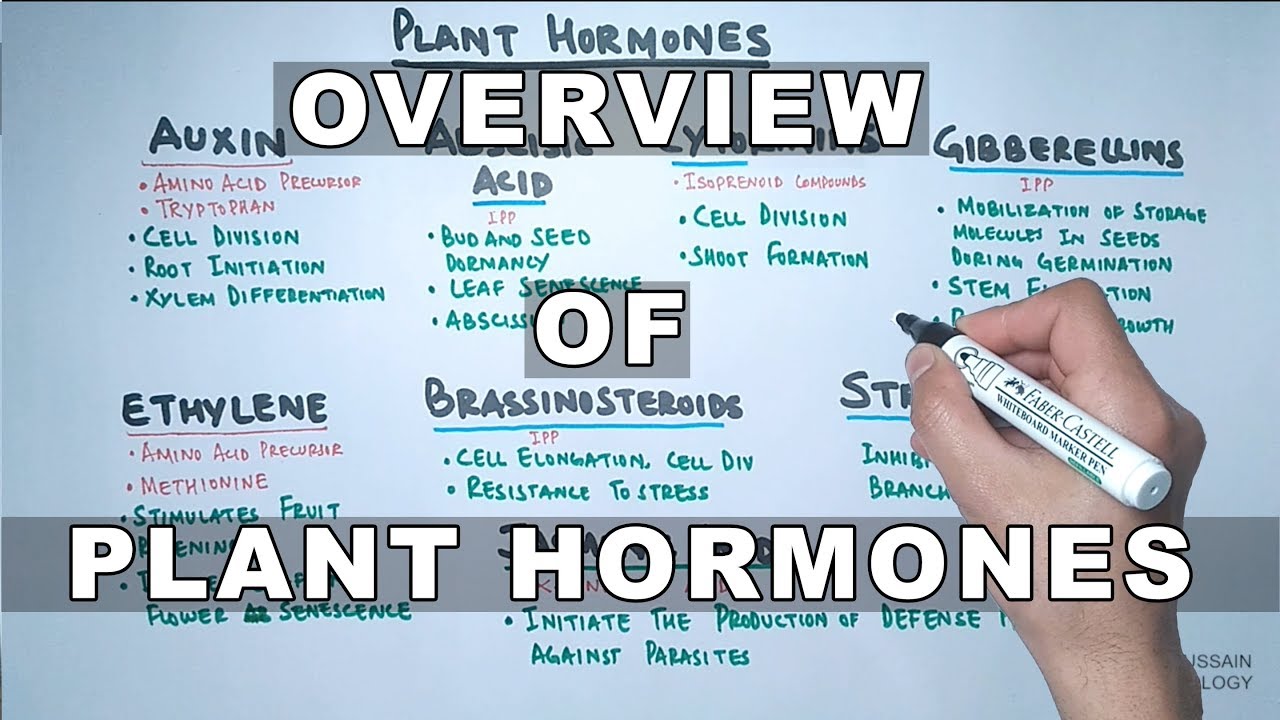
- Auxins
* Auxins are primarily involved in cell elongation, apical dominance, and root initiation.
* They are produced in the shoot tips and transported down the plant, influencing growth direction by promoting cell elongation on the shaded side of the plant, causing it to bend towards light (phototropism).
* Auxins also play a role in fruit development and the formation of lateral roots.
- Cytokinins
* These hormones promote cell division and differentiation, particularly in the roots and shoots.
* Cytokinins work in conjunction with auxins to control the growth of shoots and roots.
* They are also involved in delaying leaf senescence, thus prolonging the life of plant tissues.
- Gibberellins
* Gibberellins are essential for stem elongation, seed germination, and flowering.
* They break seed dormancy and promote the growth of seedlings by stimulating enzyme production that mobilizes food reserves.
* Gibberellins also influence the development of fruits and the timing of flowering.
- Ethylene
* Ethylene is a gaseous hormone that regulates fruit ripening, leaf abscission, and response to stress.
* It is unique among plant hormones due to its gaseous state, allowing it to diffuse easily through plant tissues.
* Ethylene is involved in the response to mechanical stress, such as bending or wounding, and can trigger defense mechanisms.
- Abscisic Acid (ABA)
* ABA primarily functions in stress responses, particularly in drought conditions.
* It induces stomatal closure to reduce water loss and promotes seed dormancy, ensuring seeds only germinate under favorable conditions.
* ABA also plays a role in leaf senescence and abscission.
Hormonal Interactions and Plant Growth
Plant hormones do not work in isolation; they interact in complex ways to regulate growth and development. These interactions can be synergistic or antagonistic, depending on the context:
- Synergistic Interactions: Auxins and cytokinins often work together to promote cell division and differentiation. For instance, a balance between these hormones is crucial for the formation of roots and shoots in tissue culture.
- Antagonistic Interactions: Auxins and ethylene can have opposing effects on leaf abscission. While auxins generally inhibit abscission, ethylene promotes it. The balance between these hormones determines whether a leaf will be retained or shed.
Environmental Influence on Hormone Activity
Environmental factors such as light, temperature, and water availability can influence hormone production and activity:
- Light: Light affects the distribution of auxins, leading to phototropism. It also influences the synthesis of gibberellins, which can affect flowering and seed germination.
- Temperature: Temperature changes can alter hormone levels, impacting processes like seed dormancy and germination. For example, cold stratification can increase gibberellin levels, breaking seed dormancy.
- Water Availability: Drought conditions increase ABA levels, leading to stomatal closure and reduced water loss. Conversely, adequate water availability can promote growth by enhancing auxin and cytokinin activity.
Practical Applications of Plant Hormones
Understanding plant hormones has practical applications in agriculture and horticulture:
- Crop Yield Improvement: Hormones like gibberellins and cytokinins can be applied to crops to enhance growth and increase yields.
- Fruit Ripening Control: Ethylene is used commercially to control the ripening of fruits, ensuring they reach the market at the optimal stage of ripeness.
- Tissue Culture and Propagation: Auxins and cytokinins are used in tissue culture to promote the growth of new plants from small tissue samples, aiding in the propagation of desirable plant varieties.