Mountain Rose
Constituents
Metrosideros sclerocarpa, is a species of flowering plant belonging to the Myrtaceae family. This plant is native to Australia, specifically found in the Northern Territory. It is a member of the Metrosideros genus, which includes a variety of trees and shrubs known for their vibrant flowers and hardy nature.
Botanical Characteristics
Appearance
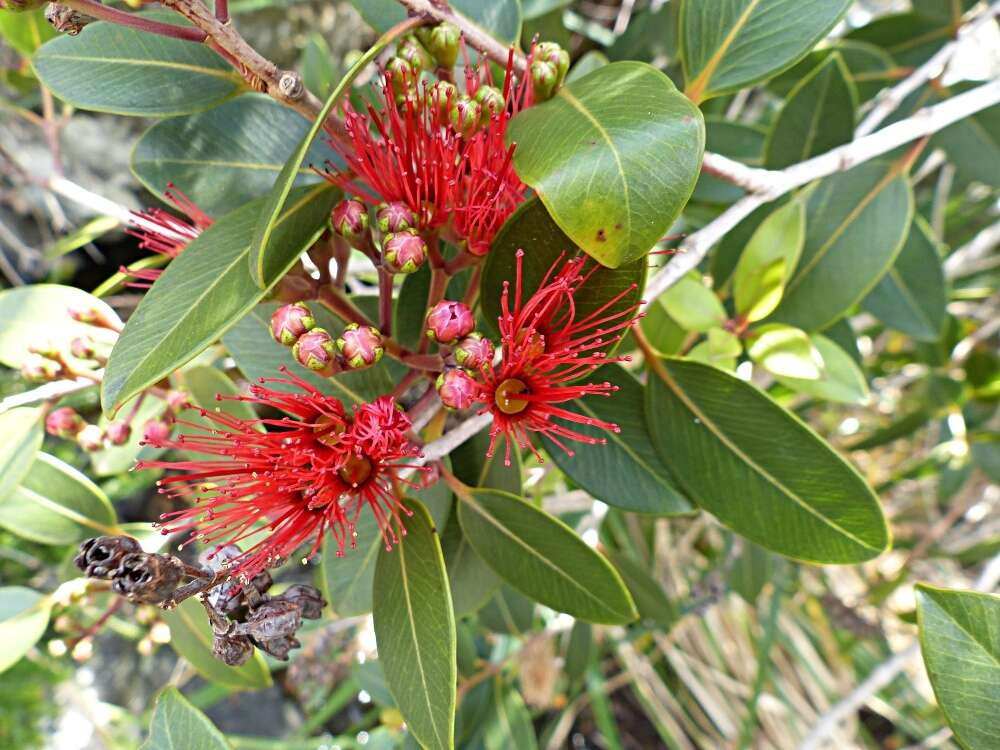
Metrosideros sclerocarpa is a small to medium-sized tree that can grow up to 10 meters in height. The tree is characterized by its rough, fibrous bark and dense, leathery leaves. The leaves are typically dark green, oval-shaped, and measure about 3-7 cm in length. One of the most striking features of this plant is its bright red flowers, which bloom in clusters and are highly attractive to pollinators such as bees and birds.
Flowers and Fruits
The flowers of Metrosideros sclerocarpa are not only visually appealing but also play a crucial role in the ecosystem. They are composed of numerous stamens that give the flower a fluffy appearance. The flowering season usually occurs from late winter to early summer. Following the flowering period, the plant produces woody capsules that contain small seeds. These capsules are tough and can remain on the tree for several months before releasing the seeds.
Habitat and Distribution
Natural Habitat
Metrosideros sclerocarpa thrives in a variety of habitats, including coastal regions, rocky outcrops, and open woodlands. It is well-adapted to the harsh conditions of its native environment, which includes poor soil quality and limited water availability. The plant's ability to withstand drought and its resistance to salt spray make it a resilient species in its natural habitat.
Geographic Distribution
This species is predominantly found in the Northern Territory of Australia. It is not widespread and is considered to have a limited distribution range. However, within its range, it is relatively common and can be found in both protected areas and regions subjected to human activities.
Ecological Importance
Role in the Ecosystem
Metrosideros sclerocarpa plays a significant role in its ecosystem. Its flowers provide a vital source of nectar for various pollinators, including bees, birds, and butterflies. The plant also offers habitat and food for a range of insects and small animals. Additionally, its dense foliage provides shelter for birds and other wildlife.
Soil Stabilization
The root system of Metrosideros sclerocarpa is robust and helps in stabilizing the soil, preventing erosion in its native habitats. This is particularly important in coastal and rocky areas where soil erosion can be a significant issue.
Conservation Status
Threats
Despite its resilience, Metrosideros sclerocarpa faces several threats. Habitat destruction due to land development, mining activities, and invasive species pose significant risks to its survival. Climate change also presents a long-term threat, potentially altering the conditions of its natural habitat.
Conservation Efforts
Efforts to conserve Metrosideros sclerocarpa include habitat protection and restoration projects. Some regions have implemented measures to control invasive species and reduce habitat destruction. Additionally, botanical gardens and conservation organizations are working to propagate the species and maintain genetic diversity through seed banks and cultivation programs.
Cultivation and Uses
Horticultural Value
Metrosideros sclerocarpa is valued in horticulture for its ornamental qualities. Its vibrant flowers and attractive foliage make it a popular choice for gardens and landscaping projects. The plant is relatively low-maintenance and can be grown in a variety of soil types, provided it has good drainage.
Traditional Uses
Indigenous communities in Australia have utilized Metrosideros sclerocarpa for various purposes. The wood of the tree is hard and durable, making it suitable for crafting tools and implements. Additionally, the plant has been used in traditional medicine for its potential healing properties.