Mobilization Basics
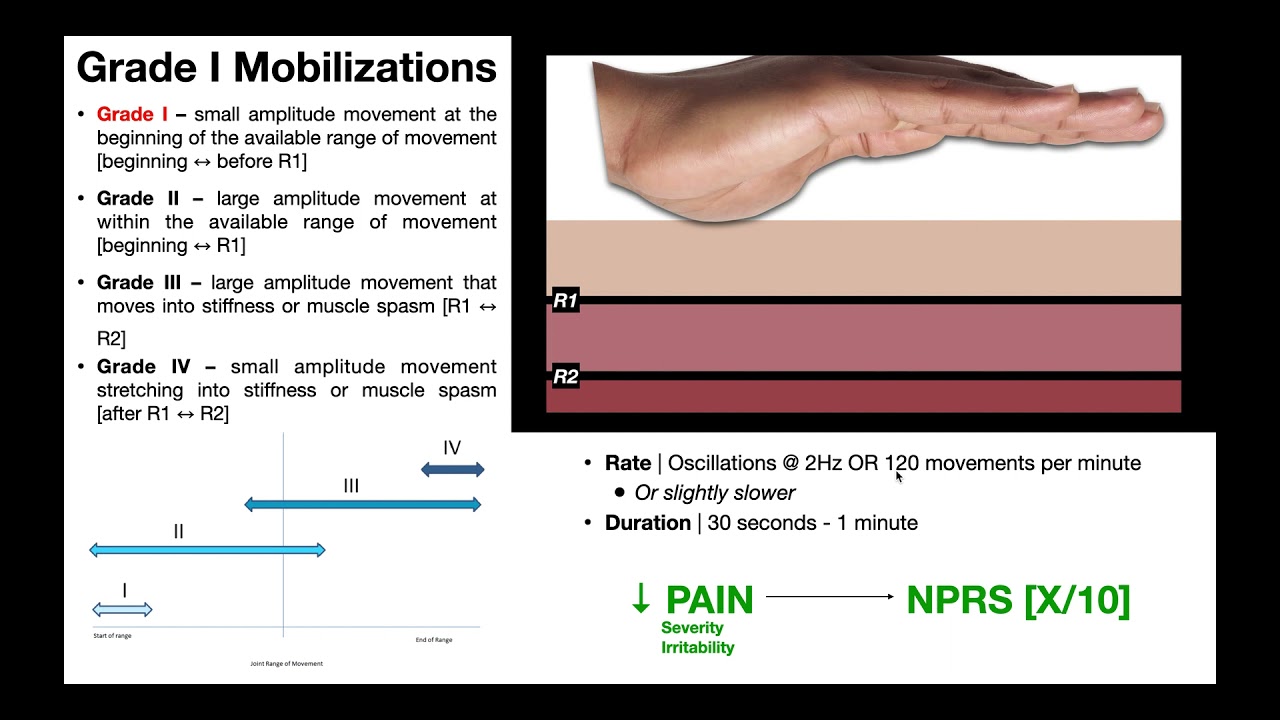
Mobilization is a fundamental technique in physical therapy aimed at improving joint function, reducing pain, and enhancing overall mobility. It involves the application of manual therapy techniques to move joints and soft tissues in specific ways to restore normal movement patterns.
What is Mobilization?
Mobilization refers to a set of manual therapy techniques used by physical therapists to increase the range of motion and decrease pain in joints and surrounding tissues. It is a passive movement performed at varying speeds and amplitudes, depending on the desired therapeutic effect. Mobilization can be applied to any joint in the body, including the spine, shoulders, hips, knees, and ankles.
Goals of Mobilization
The primary goals of mobilization in physical therapy include:
- Pain Reduction: Mobilization can help alleviate pain by reducing joint stiffness and improving circulation to the affected area.
- Increased Range of Motion: By gently moving the joint through its range, mobilization can help restore normal movement patterns.
- Improved Joint Function: Mobilization can enhance the overall function of a joint, making daily activities easier and more comfortable.
- Tissue Healing: Mobilization can promote healing by increasing blood flow and reducing inflammation in the affected area.
Types of Mobilization Techniques
There are several types of mobilization techniques used in physical therapy, each with its specific application and benefits:
- Joint Mobilization: This involves the passive movement of a joint to improve its range of motion and reduce pain. It is often used for conditions like arthritis or after an injury.
- Soft Tissue Mobilization: This technique focuses on the muscles, tendons, and fascia surrounding a joint. It helps to release tension, improve flexibility, and reduce pain.
- Spinal Mobilization: A specific type of joint mobilization that targets the vertebrae in the spine. It is used to treat back pain, neck pain, and other spinal conditions.
- Neural Mobilization: This technique involves the movement of nerves to reduce pain and improve function. It is often used for conditions like carpal tunnel syndrome or sciatica.
Principles of Effective Mobilization
To ensure effective mobilization, physical therapists adhere to several key principles:
- Patient Comfort: Mobilization should be performed within the patient's comfort zone to avoid causing pain or discomfort.
- Proper Technique: Therapists must use the correct technique and apply the appropriate amount of force to achieve the desired therapeutic effect.
- Patient Feedback: Continuous feedback from the patient is essential to adjust the technique and ensure optimal results.
- Progressive Approach: Mobilization should be performed progressively, starting with gentle movements and gradually increasing intensity as tolerated by the patient.
Indications and Contraindications
Mobilization is indicated for a variety of conditions, including:
- Joint stiffness and limited range of motion
- Muscle tension and spasms
- Chronic pain conditions like arthritis
- Post-surgical rehabilitation
However, there are certain contraindications where mobilization should be avoided or used with caution:
- Acute inflammation or infection in the joint
- Fractures or severe osteoporosis
- Malignancy in the area to be treated
- Severe cardiovascular conditions
Benefits of Mobilization
The benefits of mobilization in physical therapy are numerous and include:
- Enhanced Mobility: Patients often experience improved joint mobility and flexibility, making daily activities easier.
- Pain Relief: Mobilization can significantly reduce pain and discomfort, improving the patient's quality of life.
- Faster Recovery: By promoting tissue healing and reducing inflammation, mobilization can speed up the recovery process.
- Improved Function: Patients often report improved joint function and overall physical performance after mobilization therapy.