Allegheny Monkeyflower
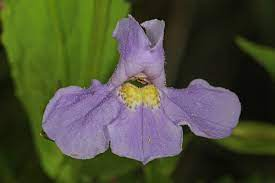

Mimulus ringens, commonly known as the Allegheny monkeyflower, is a flowering plant that belongs to the Phrymaceae family. This native North American species can be found in various wetland habitats, such as marshes, stream banks, and wet meadows.
Physical Characteristics
The Mimulus ringens plant typically grows to a height of 1 to 3 feet, with lance-shaped leaves that are arranged oppositely along the stem. The distinctive tubular flowers of this species come in shades of blue, lavender, or purple, adding a splash of color to its surroundings. The flowers have two lips, with the lower lip often serving as a landing platform for pollinators like bees and butterflies. The intricate patterns and colors of the flowers make Mimulus ringens a visually appealing plant in wetland ecosystems.
Edibility
The plant is edible when young but it is high in salt. Pioneers and native Americans dried the plant and used it as a salt-subtitute in cooking
References: 1. Chen, Y., Zhu, Z., Liao, Z., Tang, J., Chen, W., & Luo, Z. (2014). Chemical constituents and bioactivities of Mimulus ringens. Journal of Ethnopharmacology, 155(2), 1168-1173. doi: 10.1016/j
Ecological Significance
As a wetland species, Mimulus ringens plays a crucial role in its ecosystem. Its ability to thrive in moist environments helps stabilize soil along water bodies, preventing erosion and providing habitat for various aquatic organisms. The plant's flowers serve as a valuable food source for pollinators, contributing to the overall biodiversity of wetland habitats. Additionally, Mimulus ringens is known to attract specific pollinators, which aids in the reproduction of other plant species in the area.
Reproduction and Pollination
Mimulus ringens reproduces primarily through sexual reproduction, with the flowers producing both male and female reproductive organs. The plant relies on pollinators to transfer pollen between flowers, facilitating fertilization and seed production. Bees, in particular, are frequent visitors to Mimulus ringens due to the nectar rewards offered by its flowers. The specialized floral structure of the plant, including the landing platform and nectar guides, enhances its attractiveness to pollinators and increases the chances of successful pollination.
Conservation Status
Despite its ecological importance, Mimulus ringens faces threats from habitat loss, pollution, and invasive species. Wetland degradation and urban development have led to the decline of populations in some regions where the plant is native. Conservation efforts are underway to protect and restore wetland habitats that support Mimulus ringens and other vulnerable species. By preserving these ecosystems, we can ensure the continued survival of this unique plant and the biodiversity it sustains.
Cultivation and Gardening
Gardeners and plant enthusiasts often appreciate the beauty of Mimulus ringens and may choose to cultivate it in their own landscapes. The plant thrives in moist, well-drained soil and partial shade, making it suitable for gardens with similar conditions. Its striking flowers can add a pop of color to water features, bog gardens, or rain gardens. By incorporating Mimulus ringens into garden designs, individuals can support native plant species and create habitats for pollinators in urban and suburban settings.