Sansapote

Constituents
Licania platypus, commonly known as the sun sapote or sansapote, is a tropical fruit tree native to Central and South America. This tree belongs to the Chrysobalanaceae family and is renowned for its edible fruit, which is highly valued in local cuisines and traditional medicine.
Botanical Description
Licania platypus is a medium to large-sized tree that can reach heights of up to 30 meters (98 feet). It has a straight trunk with a diameter that can exceed 1 meter (3.3 feet). The bark is typically grayish-brown and may exhibit fissures or scales. The leaves are simple, alternate, and oblong, measuring between 10 to 30 centimeters (4 to 12 inches) in length. They have a glossy, dark green appearance on the upper surface and a lighter green underside.
Flowers and Fruit
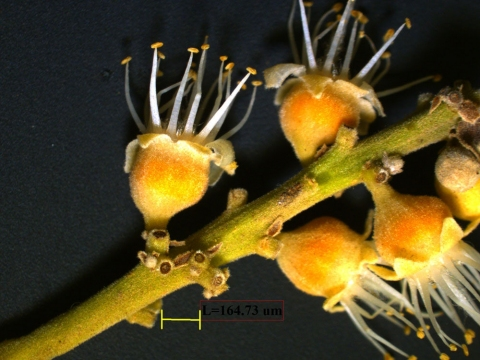
The tree produces small, inconspicuous flowers that are white to yellowish in color. These flowers are typically arranged in clusters and are pollinated by insects. The fruit of Licania platypus is a large, oblong drupe that can measure up to 15 centimeters (6 inches) in length. The skin of the fruit is thick and leathery, ranging in color from green to brown when ripe. Inside, the flesh is orange to yellow, sweet, and aromatic, surrounding a single large seed.
Habitat and Distribution
Licania platypus thrives in tropical and subtropical climates, often found in lowland rainforests, riverbanks, and swamps. It prefers well-drained, fertile soils but can also tolerate periodic flooding. The tree is native to a wide range of countries, including:
- Mexico
- Guatemala
- Belize
- Honduras
- Nicaragua
- Costa Rica
- Panama
- Colombia
- Venezuela
- Ecuador
- Peru
- Brazil
Uses and Benefits
Culinary Uses
The fruit of Licania platypus is highly prized for its sweet, flavorful flesh. It is commonly eaten fresh but can also be used in various culinary preparations such as:
- Juices and smoothies
- Desserts and pastries
- Jams and preserves
- Traditional dishes
Medicinal Uses
In traditional medicine, various parts of the Licania platypus tree are used for their purported health benefits. Some of the common medicinal uses include:
- Anti-inflammatory properties: The bark and leaves are often used in poultices and decoctions to reduce inflammation and treat skin conditions.
- Digestive aid: The fruit is believed to aid digestion and alleviate gastrointestinal issues.
- Antioxidant effects: The fruit's high vitamin content is thought to provide antioxidant benefits, helping to combat oxidative stress.
Ecological Importance
Licania platypus plays a significant role in its native ecosystems. The tree provides habitat and food for various wildlife species, including birds, mammals, and insects. Its flowers attract pollinators, while the fruit serves as a food source for animals, aiding in seed dispersal.
Cultivation and Propagation
Cultivating Licania platypus requires a warm, humid climate with ample rainfall. The tree can be propagated through seeds, which should be planted in well-drained soil and kept moist until germination. Seedlings typically take several years to mature and begin bearing fruit. Proper care, including regular watering, mulching, and pruning, can enhance growth and fruit production.
Challenges in Cultivation
While Licania platypus is relatively hardy, it can be susceptible to certain pests and diseases, such as:
- Fungal infections
- Insect infestations
- Root rot
Implementing integrated pest management strategies and maintaining good cultural practices can help mitigate these issues.
Range: Northern S. America - Colombia; C. America - Panama to southern Mexico.