White Thyme
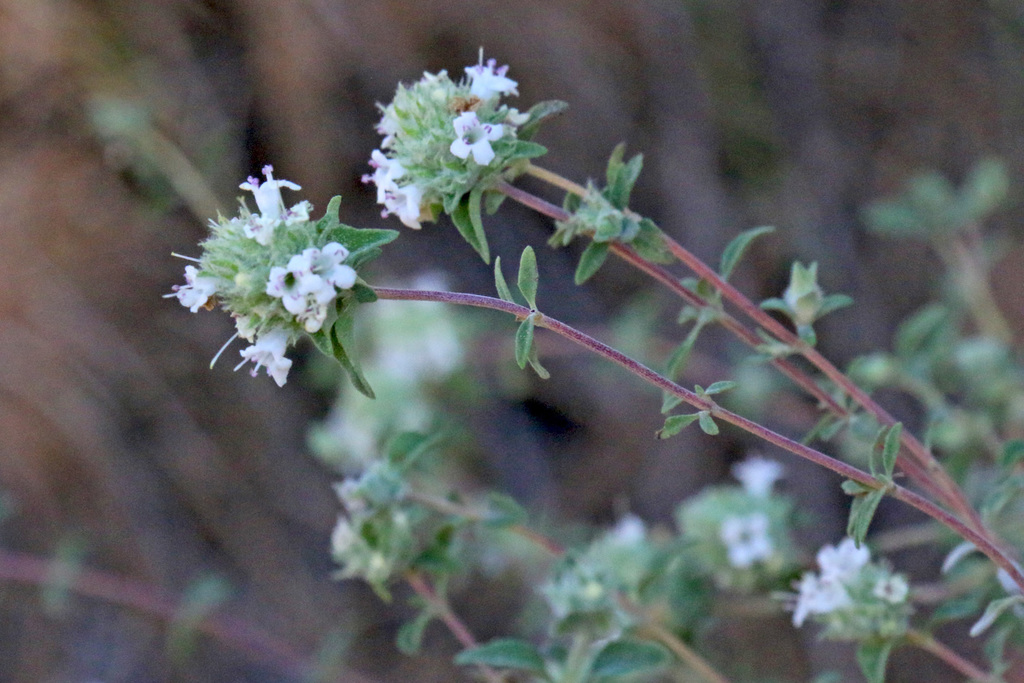
Thymus albicans is a species of flowering plant that belongs to the Lamiaceae family. This plant is commonly known as white thyme and is native to the Mediterranean region. Thymus albicans is a perennial herb that is valued for its aromatic leaves and essential oils, which are often used in culinary and medicinal applications.
Botanical Characteristics
Thymus albicans is characterized by its small, oval-shaped leaves that are covered in fine hairs, giving them a silvery-white appearance. The plant typically grows to a height of about 6 to 12 inches and produces clusters of tiny white or pale pink flowers in the summer months. Thymus albicans is well-adapted to dry, rocky soils and thrives in sunny locations with good drainage.
Culinary Uses
White thyme is a popular herb in Mediterranean cuisine, where it is used to add flavor to a variety of dishes. The leaves of Thymus albicans have a strong, aromatic scent and a slightly bitter, peppery taste. They are often used to season meats, soups, stews, and sauces, as well as in marinades and salad dressings. White thyme can also be infused into oils or vinegars to impart its unique flavor.
Medicinal Properties
In addition to its culinary uses, Thymus albicans is also valued for its medicinal properties. The essential oil extracted from the leaves of the plant contains compounds that have antimicrobial, antioxidant, and anti-inflammatory properties. White thyme oil is commonly used in aromatherapy to promote relaxation and relieve stress. It is also believed to have immune-boosting properties and may help alleviate respiratory conditions such as coughs and colds.
Cultivation and Harvesting
Thymus albicans is a hardy plant that is relatively easy to grow, making it a popular choice for herb gardens. The plant prefers well-drained soil and plenty of sunlight, making it ideal for rock gardens or containers. White thyme can be propagated from seeds or cuttings and requires minimal maintenance once established. The leaves of Thymus albicans can be harvested throughout the growing season and used fresh or dried for later use.
Symbolism and Folklore
In addition to its culinary and medicinal uses, Thymus albicans has also been associated with symbolism and folklore. In ancient Greece, thyme was believed to be a symbol of courage and strength, and it was often used in rituals and ceremonies to purify and protect. In medieval Europe, thyme was thought to ward off evil spirits and bring good luck. Today, white thyme is still used in some cultures for its protective and cleansing properties.