Bile Deficiency
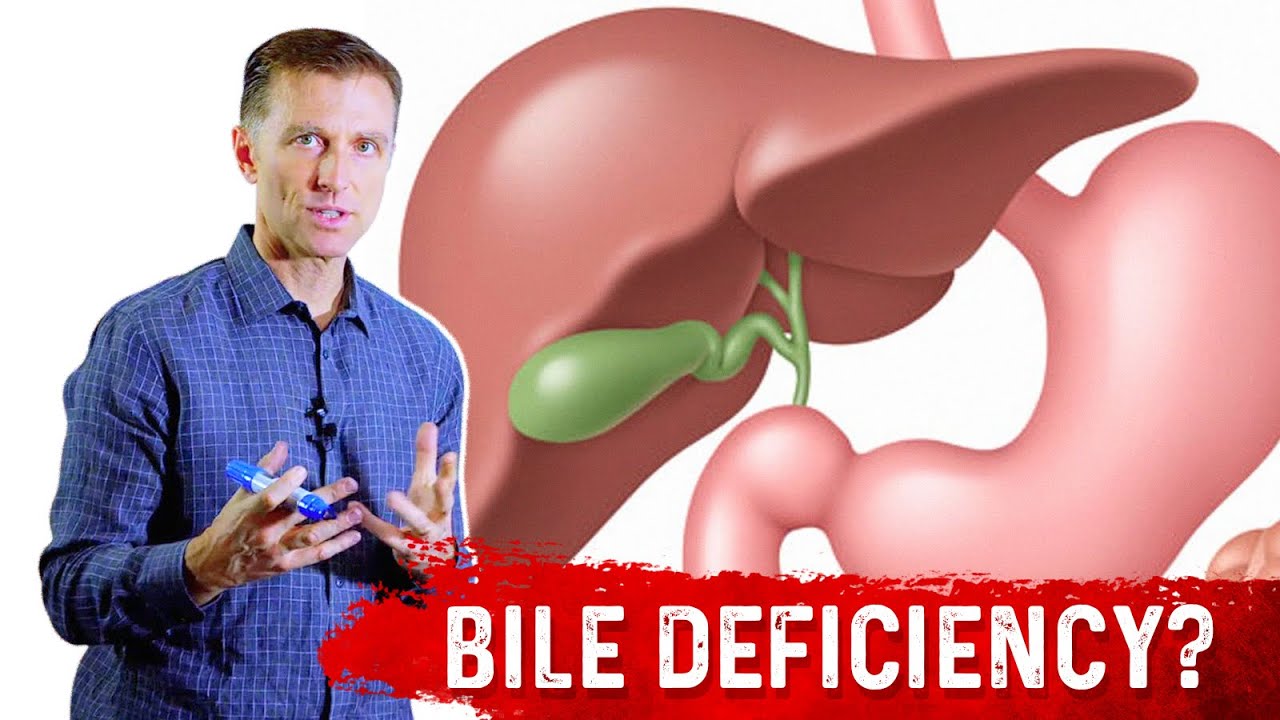
Bile deficiency is a condition that occurs when the liver does not produce enough bile, or when bile flow is obstructed. Bile is a digestive fluid that is essential for the digestion and absorption of fats and fat-soluble vitamins in the small intestine. It is produced by the liver and stored in the gallbladder. When food enters the small intestine, bile is released to aid in digestion. A deficiency in bile can lead to a range of digestive issues and nutritional deficiencies.
Causes of Bile Deficiency
Several factors can contribute to bile deficiency, including:
- Liver Disease: Conditions such as cirrhosis or hepatitis can impair the liver's ability to produce bile.
- Gallbladder Disorders: Gallstones or inflammation of the gallbladder can block the flow of bile.
- Bile Duct Obstruction: Tumors or strictures in the bile ducts can prevent bile from reaching the intestine.
- Surgical Removal of the Gallbladder: Cholecystectomy, or the removal of the gallbladder, can lead to changes in bile flow.
- Genetic Disorders: Conditions like cystic fibrosis can affect bile production and flow.
Symptoms of Bile Deficiency
The symptoms of bile deficiency can vary depending on the underlying cause and severity of the condition. Common symptoms include:
- Digestive Issues: Bloating, gas, and diarrhea are common due to the malabsorption of fats.
- Steatorrhea: This is the presence of excess fat in the stool, making it appear greasy and foul-smelling.
- Nutritional Deficiencies: A lack of bile can lead to deficiencies in fat-soluble vitamins (A, D, E, and K), resulting in symptoms like night blindness, bone pain, and easy bruising.
- Jaundice: A yellowing of the skin and eyes can occur if bile flow is obstructed.
Diagnosis of Bile Deficiency
Diagnosing bile deficiency typically involves a combination of medical history, physical examination, and diagnostic tests. These may include:
- Blood Tests: To check liver function and levels of fat-soluble vitamins.
- Imaging Studies: Ultrasound, CT scans, or MRI can help visualize the liver, gallbladder, and bile ducts.
- Endoscopic Procedures: ERCP (endoscopic retrograde cholangiopancreatography) can be used to examine the bile ducts and remove blockages if necessary.
Treatment Options
The treatment for bile deficiency depends on the underlying cause. Some common approaches include:
- Medications: Bile acid supplements can help improve digestion and absorption of fats. Ursodeoxycholic acid is often used to dissolve gallstones and improve bile flow.
- Dietary Changes: A low-fat diet can help reduce symptoms. Increasing the intake of water-soluble forms of fat-soluble vitamins may also be recommended.
- Surgery: In cases of gallstones or bile duct obstructions, surgical intervention may be necessary to restore bile flow.
- Liver Transplant: In severe cases of liver disease, a liver transplant may be considered.
Lifestyle and Dietary Considerations
Managing bile deficiency often involves making lifestyle and dietary changes to support digestion and nutrient absorption. Some recommendations include:
- Eating Smaller, Frequent Meals: This can help reduce the digestive burden and improve nutrient absorption.
- Incorporating Healthy Fats: Focus on consuming healthy fats like those found in avocados, nuts, and olive oil, which are easier to digest.
- Supplementing with Digestive Enzymes: These can aid in the breakdown and absorption of nutrients.
- Staying Hydrated: Adequate fluid intake is important for overall digestive health.
Boldine enhances bile production in rats via osmotic and farnesoid X receptor dependent mechanisms.