Tetany (twitching)
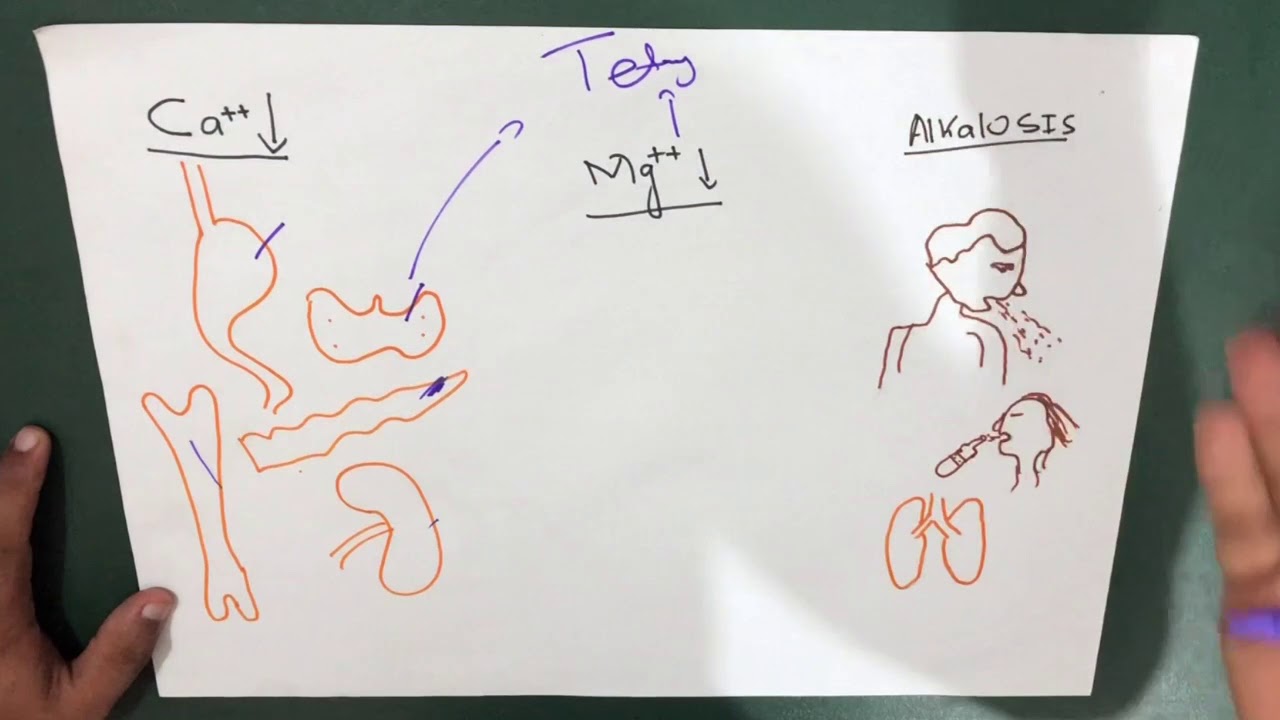
What's in a name? Tetany & tetanus. The "Ca++ connection"

What nutrients or deficiencies cause twitching?

The 3 Causes of Twitching (Tetany)

What to Do About Twitching

Tetany is a medical condition characterized by involuntary muscle contractions or spasms, often referred to as twitching. These muscle spasms can be painful and are typically caused by an imbalance in electrolytes, particularly calcium, in the body.
Causes of Tetany
Tetany is primarily associated with disturbances in calcium metabolism, but it can also be linked to other electrolyte imbalances. Some common causes include:
- Hypocalcemia: Low levels of calcium in the blood are the most common cause of tetany. This can result from conditions such as hypoparathyroidism, vitamin D deficiency, or chronic kidney disease.
- Hypomagnesemia: Low magnesium levels can also lead to tetany, as magnesium is essential for calcium absorption and utilization.
- Alkalosis: A condition where the blood becomes too alkaline, often due to hyperventilation or excessive vomiting, can cause calcium to bind to proteins, reducing its availability in the blood.
- Hypokalemia: Low potassium levels can contribute to muscle spasms and tetany, although this is less common than hypocalcemia.
- Other Causes: Certain medications, such as diuretics, and conditions like pancreatitis or malabsorption syndromes can also lead to tetany.
Symptoms of Tetany
The symptoms of tetany can vary in severity and may include:
- Muscle Cramps and Spasms: These are the hallmark symptoms of tetany, often affecting the hands, feet, and face.
- Tingling Sensations: Patients may experience tingling or numbness, particularly around the mouth and in the extremities.
- Carpopedal Spasm: This is a specific type of spasm affecting the hands and feet, causing them to curl inward.
- Chvostek's Sign: A clinical sign where tapping on the facial nerve triggers twitching of the facial muscles.
- Trousseau's Sign: A test where inflating a blood pressure cuff on the arm induces a carpopedal spasm.
- Seizures: In severe cases, tetany can lead to seizures due to the increased excitability of the nervous system.
Diagnosis of Tetany
Diagnosing tetany involves a combination of clinical evaluation and laboratory tests. Key steps in the diagnostic process include:
- Medical History and Physical Examination: A thorough history and examination can help identify potential causes and assess the severity of symptoms.
- Blood Tests: These are crucial for measuring levels of calcium, magnesium, potassium, and other electrolytes. Tests for parathyroid hormone (PTH) and vitamin D levels may also be conducted.
- Electrocardiogram (ECG): An ECG may be performed to detect any cardiac abnormalities associated with electrolyte imbalances.
- Additional Tests: Depending on the suspected underlying cause, further tests such as renal function tests or imaging studies may be necessary.
Treatment of Tetany
The treatment of tetany focuses on addressing the underlying cause and restoring normal electrolyte balance. Common treatment approaches include:
- Calcium Supplementation: Oral or intravenous calcium may be administered to correct hypocalcemia.
- Magnesium Supplementation: If hypomagnesemia is present, magnesium supplements can help restore normal levels.
- Vitamin D Therapy: In cases of vitamin D deficiency, supplementation can improve calcium absorption and reduce symptoms.
- Addressing Alkalosis: Treating the underlying cause of alkalosis, such as respiratory or metabolic issues, can help alleviate tetany.
- Dietary Modifications: Ensuring adequate intake of calcium and magnesium through diet can help prevent future episodes.
- Medication Adjustments: If medications are contributing to electrolyte imbalances, adjustments may be necessary under medical supervision.
Prevention and Management
Preventing tetany involves managing underlying conditions and maintaining a balanced diet rich in essential nutrients. Regular monitoring of electrolyte levels, especially in individuals with known risk factors, can help prevent the onset of symptoms. Additionally, educating patients about the importance of adhering to prescribed treatments and lifestyle modifications is crucial for long-term management.
The magnesium-deficiency tetany syndrome in man
Grave's Disease
- Postoperative tetany in Graves disease: important role of vitamin D metabolites.
- Postoperative tetany in patients with Graves' disease: a risk factor analysis (https://onlinelibrary.wiley.com/doi/abs/10.1046/j.1365-2265.1997.2201033.x)