Infant Emesis (vomiting)

Projectile vomiting

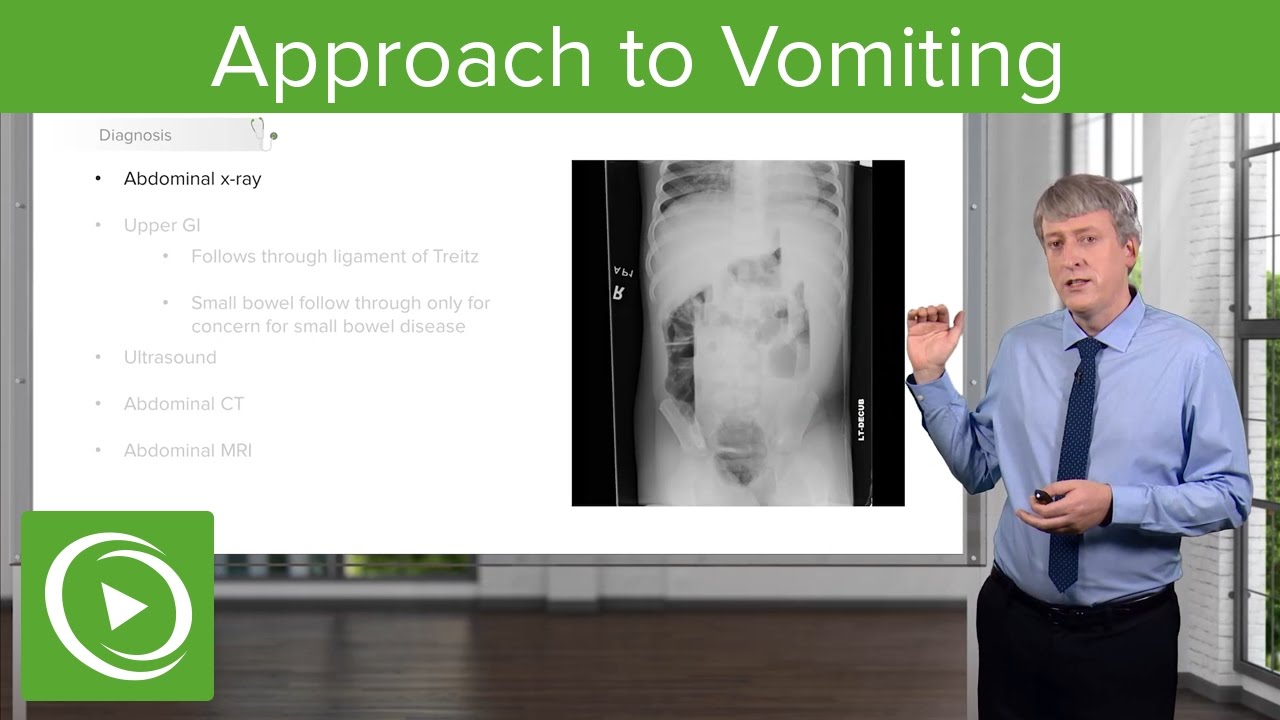
Infant emesis, commonly known as vomiting, is a frequent concern for parents and caregivers. It is the forceful expulsion of stomach contents through the mouth and can be distressing for both the infant and the caregiver. While it is often benign and self-limiting, understanding the causes, symptoms, and management strategies is crucial for ensuring the well-being of the infant.
Causes of Infant Emesis
Infant vomiting can be attributed to a variety of causes, ranging from benign to more serious conditions. Some common causes include:
- Gastroesophageal Reflux (GER): This is the most common cause of vomiting in infants. It occurs when stomach contents flow back into the esophagus, leading to spitting up or vomiting.
- Overfeeding: Infants have small stomachs, and overfeeding can lead to vomiting as the stomach becomes too full.
- Infections: Viral or bacterial infections, such as gastroenteritis, can cause vomiting as a symptom.
- Food Allergies or Intolerances: Allergic reactions to certain foods or formula can result in vomiting.
- Pyloric Stenosis: A condition where the passage from the stomach to the small intestine is narrowed, leading to projectile vomiting.
- Intestinal Obstruction: Conditions like intussusception or volvulus can cause vomiting due to blockage in the intestines.
- Motion Sickness: Some infants may experience vomiting due to motion sickness during travel.
Symptoms Accompanying Vomiting
While vomiting itself is a symptom, it is often accompanied by other signs that can help identify the underlying cause:
- Fever: May indicate an infection.
- Diarrhea: Often accompanies vomiting in cases of gastroenteritis.
- Dehydration: Signs include dry mouth, sunken eyes, and decreased urine output.
- Weight Loss: Persistent vomiting can lead to inadequate nutrition and weight loss.
- Irritability or Lethargy: Changes in behavior can signal discomfort or illness.
When to Seek Medical Attention
While occasional vomiting is common, certain situations require prompt medical evaluation:
- Persistent Vomiting: Vomiting that continues for more than 24 hours.
- Projectile Vomiting: Forceful vomiting that travels a distance, especially in infants under 3 months.
- Blood or Bile in Vomit: Presence of blood or green bile is concerning and needs immediate attention.
- Signs of Dehydration: Such as dry mouth, sunken fontanelle, or decreased urine output.
- Severe Abdominal Pain: May indicate an underlying condition requiring intervention.
- Lethargy or Unresponsiveness: Significant changes in alertness or responsiveness.
Management and Treatment
The management of infant vomiting depends on the underlying cause. Here are some general strategies:
- Feeding Adjustments: Smaller, more frequent feedings can help prevent overfeeding and reduce vomiting.
- Positioning: Keeping the infant upright during and after feeding can help reduce reflux.
- Hydration: Ensuring adequate fluid intake is crucial, especially if vomiting is accompanied by diarrhea.
- Dietary Changes: For infants with food allergies or intolerances, switching formulas or eliminating certain foods may be necessary.
- Medications: In some cases, medications may be prescribed to reduce acid reflux or treat infections.
- Surgical Intervention: Conditions like pyloric stenosis may require surgical correction.
Preventive Measures
While not all cases of vomiting can be prevented, certain measures can reduce the risk:
- Burping: Regularly burping the infant during and after feeding can help reduce air swallowing and vomiting.
- Proper Feeding Techniques: Ensuring the infant is latched properly during breastfeeding or using the correct bottle nipple size can help.
- Avoiding Overfeeding: Monitoring the amount and frequency of feedings can prevent overloading the infant's stomach.
- Travel Precautions: For infants prone to motion sickness, planning travel around feeding times and ensuring proper ventilation can help.