Willow, Growing
How to take cuttings:

How to plant cuttings
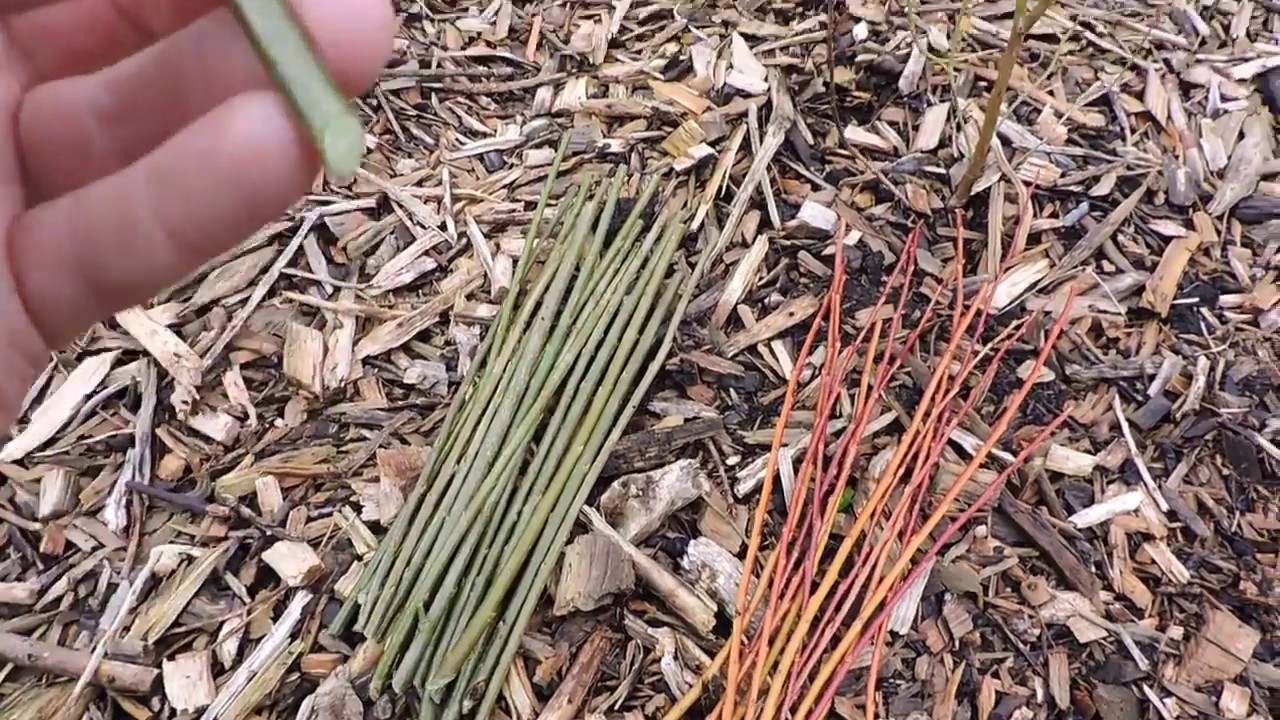


Willow trees, known for their graceful, sweeping branches and lush foliage, are a popular choice for gardeners and landscapers alike. These trees, belonging to the genus Salix, are not only aesthetically pleasing but also serve practical purposes such as erosion control and providing shade.
Choosing the Right Willow Species
There are over 400 species of willow trees, each with unique characteristics. When selecting a willow for your garden or landscape, consider the following popular species:
- Weeping Willow (Salix babylonica): Known for its iconic drooping branches, this species is ideal for large spaces and near water bodies.
- Pussy Willow (Salix discolor): Recognized for its soft, furry catkins, this species is perfect for smaller gardens and floral arrangements.
- Black Willow (Salix nigra): Commonly found in wetland areas, this species is excellent for erosion control.
- White Willow (Salix alba): Known for its fast growth and adaptability, it is often used in windbreaks and for timber.
Ideal Growing Conditions
Willow trees are versatile and can adapt to various environments, but they thrive best under specific conditions:
- Soil: Willows prefer moist, well-drained soil. They can tolerate a range of soil types, including clay, loam, and sandy soils.
- Sunlight: Full sun to partial shade is ideal for willow trees. They require at least 4-6 hours of direct sunlight daily.
- Water: Willows have a high water requirement, especially during their initial growth phase. Ensure consistent watering, particularly in dry periods.
Planting Willow Trees
Planting willow trees involves several steps to ensure they establish well and grow healthily:
- Site Selection: Choose a location with ample space for the tree to grow, away from buildings and underground utilities, as willow roots can be invasive.
- Planting Time: The best time to plant willow trees is in early spring or late fall when the tree is dormant.
- Digging the Hole: Dig a hole twice as wide and as deep as the root ball. This allows the roots to spread easily.
- Planting: Place the tree in the hole, ensuring the root collar is level with the ground surface. Backfill with soil and water thoroughly.
Caring for Willow Trees
Proper care is crucial for the healthy growth of willow trees. Here are some tips:
- Pruning: Regular pruning helps maintain the tree's shape and encourages new growth. Remove dead or diseased branches and thin out dense areas to improve air circulation.
- Fertilization: Willows generally do not require much fertilization. However, applying a balanced fertilizer in early spring can promote vigorous growth.
- Pest and Disease Control: Willows are susceptible to pests like aphids and diseases such as canker. Regular inspection and appropriate treatments, such as insecticidal soap or fungicides, can help manage these issues.
Benefits of Growing Willow Trees
Growing willow trees offers numerous benefits beyond their visual appeal:
- Erosion Control: The extensive root systems of willows help stabilize soil and prevent erosion, making them ideal for riverbanks and slopes.
- Wildlife Habitat: Willows provide shelter and food for various wildlife, including birds and insects.
- Medicinal Uses: Willow bark contains salicin, a compound used historically for pain relief and fever reduction.
Challenges and Considerations
While willow trees are relatively easy to grow, there are some challenges and considerations to keep in mind:
- Invasive Roots: Willow roots can spread aggressively, potentially damaging nearby structures and underground pipes. Plant them at a safe distance from such areas.
- Water Requirements: High water needs can be a concern in drought-prone regions. Consider alternative species if water conservation is a priority.
- Maintenance: Regular pruning and monitoring for pests and diseases require time and effort.