Vetiver Grass
Videos
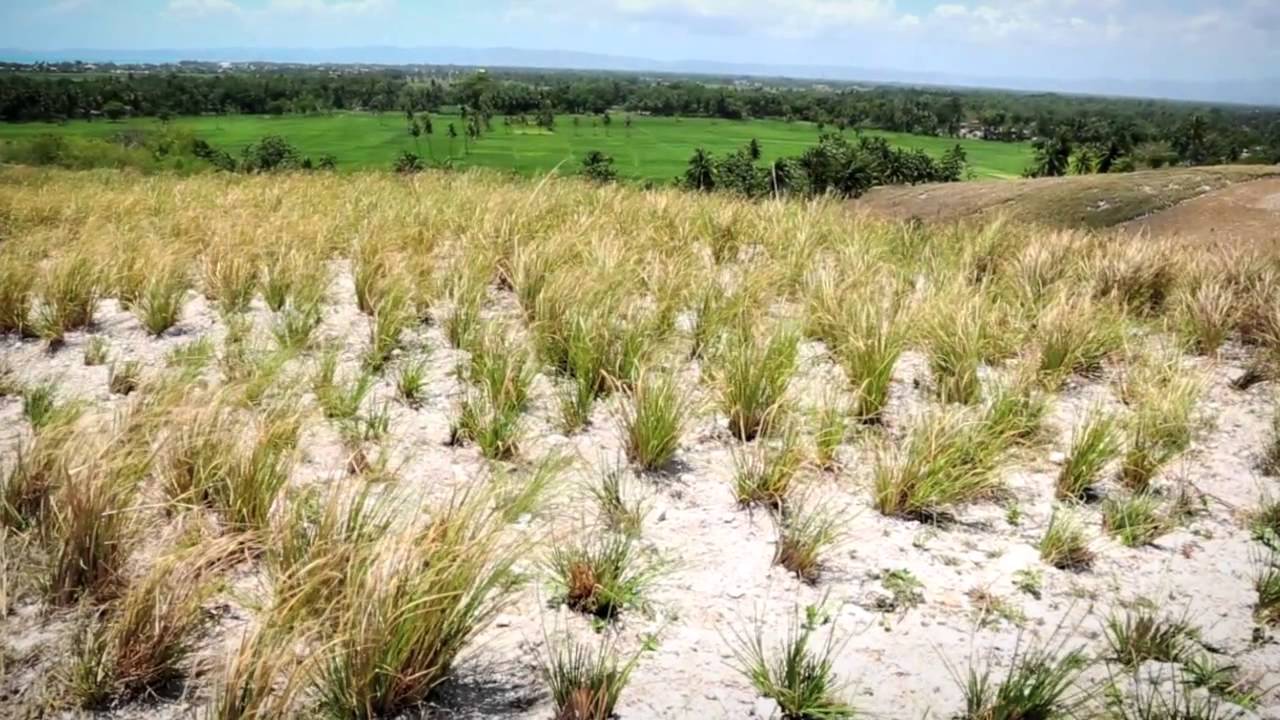
How to hold a hillside together with plants

Constituents
Vetiver grass, scientifically known as Chrysopogon zizanioides, is a perennial bunchgrass native to India. It is renowned for its extensive root system, which can grow up to 4 meters deep, making it an excellent plant for soil and water conservation. This grass has been utilized for centuries in various applications, ranging from agriculture to essential oil production.
Characteristics
Physical Attributes
Vetiver grass is characterized by its tall, narrow leaves and robust root system. The plant can grow up to 1.5 meters in height, with leaves that are long, thin, and stiff. The roots are fibrous and can penetrate deep into the soil, which helps in stabilizing the ground and preventing erosion.
Growth Conditions
Vetiver is highly adaptable and can thrive in a variety of soil types, including sandy, clayey, and rocky soils. It is also tolerant of extreme weather conditions, such as drought and heavy rainfall. This adaptability makes it a versatile plant for different environmental settings.
Uses and Applications
Soil and Water Conservation
One of the primary uses of vetiver grass is in soil and water conservation. Its deep root system helps in binding the soil, reducing erosion, and improving water infiltration. This makes it an ideal plant for use in:
- Slope stabilization
- Riverbank protection
- Reclamation of degraded lands
Agriculture
In agriculture, vetiver grass is used as a natural barrier to control the spread of pests and diseases. It can also be planted around crop fields to reduce soil erosion and improve soil fertility. Additionally, the grass can be used as mulch to retain soil moisture and suppress weed growth.
Essential Oils
Vetiver grass is a significant source of essential oils, which are extracted from its roots. These oils are highly valued in the perfume industry for their earthy, woody aroma. They are also used in aromatherapy and traditional medicine for their calming and grounding effects.
Environmental Benefits
Vetiver grass contributes to environmental sustainability in several ways:
- Carbon Sequestration: The plant's extensive root system helps in capturing and storing carbon dioxide, thereby reducing greenhouse gas levels.
- Phytoremediation: Vetiver can absorb and detoxify pollutants from the soil and water, making it useful for cleaning up contaminated sites.
- Biodiversity: The grass provides habitat and food for various wildlife species, promoting biodiversity in the areas where it is planted.
Cultivation and Maintenance
Planting
Vetiver grass is typically propagated through slips or tillers, which are planted in rows or clusters. The planting density can vary depending on the intended use, but a common practice is to space the plants about 15-20 cm apart.
Maintenance
Once established, vetiver grass requires minimal maintenance. It is a hardy plant that can withstand harsh conditions, but occasional watering and fertilization can enhance its growth and effectiveness. Regular trimming of the leaves can also promote new growth and prevent the plant from becoming too woody.
Challenges and Considerations
Invasiveness
While vetiver grass is generally non-invasive due to its sterile nature, it is essential to ensure that the variety being planted is non-seeding to prevent unintended spread.
Initial Establishment
The initial establishment phase can be challenging, as the young plants are vulnerable to pests and diseases. Proper care and monitoring during this period are crucial for successful growth.
Cost
The cost of establishing vetiver grass can be relatively high, especially for large-scale projects. However, the long-term benefits often outweigh the initial investment.
PHYTOREMEDIATION POTENTIAL OF VETIVER GRASS [*CHRYSOPOGON ZIZANIOIDES (L.)*] FOR TETRACYCLINE