Marsh Skullcap
Constituents
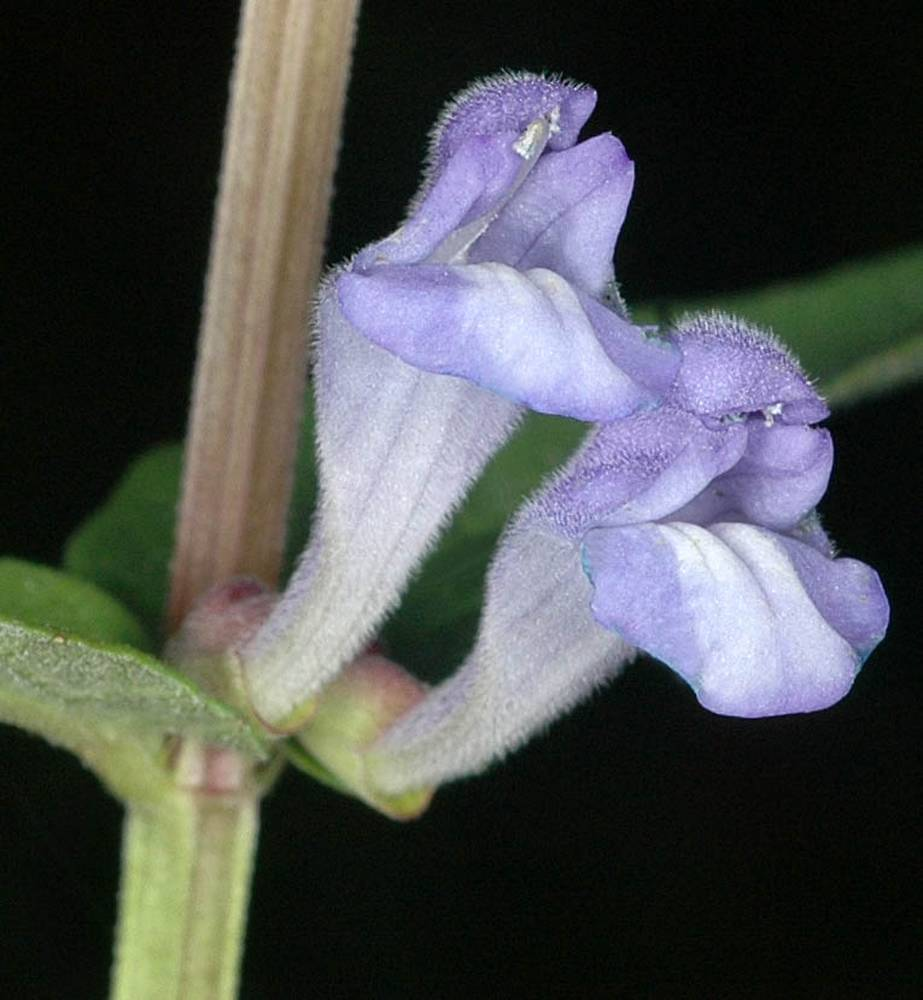
Scutellaria epilobifolia, commonly known as the Marsh Skullcap or Rocky Mountain skullcap, is a perennial herbaceous plant that belongs to the mint family, Lamiaceae. This unique plant is native to North America, specifically found in the western United States and parts of Canada.
Description and Habitat
The Rocky Mountain skullcap is characterized by its distinctive appearance, with slender stems that can reach heights of up to 30 centimeters. The plant features opposite leaves that are lance-shaped and toothed, giving it an attractive and unique look. Its flowers are small and tubular, typically ranging in color from blue to purple, and are arranged in dense clusters at the top of the stems. The blooming period of Scutellaria epilobifolia usually occurs in the summer months, attracting pollinators such as bees and butterflies.
In its natural habitat, Scutellaria epilobifolia can be found in a variety of environments, including dry meadows, rocky slopes, and open woodlands. It thrives in well-drained soils and is often seen growing in areas with plenty of sunlight. This plant is well-adapted to the harsh conditions of its native range, displaying resilience in the face of drought and rocky terrain.
Traditional Uses and Medicinal Properties
Throughout history, various indigenous tribes in North America have utilized Scutellaria epilobifolia for its medicinal properties. The plant contains bioactive compounds such as flavonoids, iridoids, and terpenoids, which are believed to contribute to its therapeutic effects. Traditionally, preparations made from the Rocky Mountain skullcap have been used to treat a range of ailments, including headaches, anxiety, and digestive issues.
One of the primary traditional uses of Scutellaria epilobifolia is as a natural remedy for nervous system disorders. The plant is known for its calming and sedative properties, making it a popular choice for alleviating stress and promoting relaxation. Additionally, it has been used to help improve sleep quality and reduce symptoms of insomnia.
In addition to its effects on the nervous system, Scutellaria epilobifolia is also valued for its anti-inflammatory properties. Compounds found in the plant have been shown to help reduce inflammation and alleviate pain, making it a potential natural alternative for individuals suffering from conditions such as arthritis or muscle soreness.
Conservation Status and Threats
Despite its cultural and medicinal significance, Scutellaria epilobifolia faces several threats to its continued existence in the wild. Habitat loss due to urban development, agriculture, and mining activities poses a significant risk to populations of the Rocky Mountain skullcap. Additionally, climate change and invasive species can further exacerbate the challenges faced by this plant.
To address these threats and protect Scutellaria epilobifolia, conservation efforts are essential. Conservation organizations and botanical gardens are working to preserve the genetic diversity of this species through seed banking and habitat restoration initiatives. Public awareness and education about the importance of native plant species like the Rocky Mountain skullcap are also crucial for ensuring their long-term survival.