Ganglion Cysts
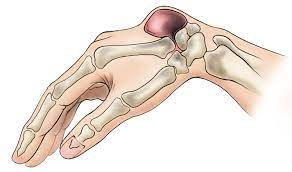

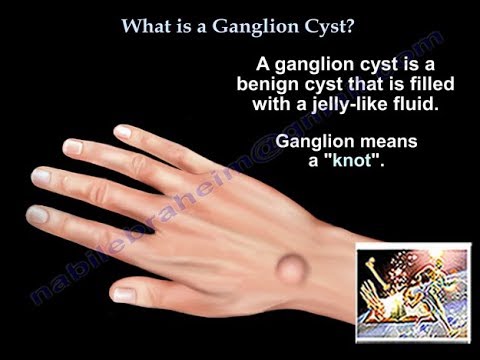
Ganglion cysts are noncancerous lumps that commonly develop along the tendons or joints of your wrists or hands. They can also appear on your ankles and feet. These cysts are typically round or oval and are filled with a jelly-like fluid. While they are generally harmless, they can sometimes cause discomfort or interfere with joint movement.
Characteristics of Ganglion Cysts
- Appearance: Ganglion cysts are usually round or oval and can vary in size. They may grow larger with increased activity of the joint and may shrink with rest.
- Location: Most commonly found on the back of the wrist, they can also appear on the palm side of the wrist, the base of the fingers, or the top of the foot.
- Texture: These cysts are typically smooth and firm to the touch.
- Symptoms: While many ganglion cysts are painless, they can cause pain, tingling, numbness, or muscle weakness if they press on a nearby nerve.
Causes and Risk Factors
The exact cause of ganglion cysts is unknown. However, they are thought to arise from a joint or tendon sheath, where the tissue forms a small pouch that fills with fluid. Several factors may increase the risk of developing a ganglion cyst:
- Age and Sex: Ganglion cysts are more common in people between the ages of 20 and 40 and are more frequently seen in women.
- Joint or Tendon Injury: A history of joint or tendon injury may increase the likelihood of developing a cyst.
- Osteoarthritis: People with wear-and-tear arthritis in the finger joints closest to the fingernails are at higher risk.
- Repetitive Stress: Activities that put stress on the wrist or hand, such as gymnastics, may contribute to the development of these cysts.
Diagnosis
Diagnosing a ganglion cyst typically involves a physical examination by a healthcare provider. The following methods may be used:
- Physical Exam: The doctor will examine the lump and may apply pressure to see if it causes pain or discomfort.
- Transillumination: Shining a light through the cyst can help determine if it is filled with fluid.
- Imaging Tests: An X-ray, ultrasound, or MRI may be used to rule out other conditions, such as arthritis or a tumor.
- Aspiration: In some cases, the doctor may use a needle to draw fluid from the cyst to confirm the diagnosis.
Treatment Options
Treatment for ganglion cysts depends on the severity of symptoms and the impact on daily activities. Options include:
- Observation: If the cyst is not causing pain or limiting movement, a "watch and wait" approach may be recommended.
- Immobilization: Wearing a brace or splint can help reduce the size of the cyst by limiting movement and allowing it to shrink.
- Aspiration: The cyst can be drained using a needle, although this procedure may need to be repeated if the cyst recurs.
- Surgery: If the cyst is painful, affects joint movement, or recurs after aspiration, surgical removal may be considered. This involves removing the cyst and part of the joint capsule or tendon sheath.
Potential Complications
While ganglion cysts are generally benign, there are potential complications to be aware of:
- Recurrence: Even after treatment, ganglion cysts can return.
- Infection: If the cyst is punctured or aspirated, there is a risk of infection.
- Nerve Damage: Surgery carries a risk of nerve damage, which can lead to numbness or weakness in the affected area.
Living with Ganglion Cysts
For many people, ganglion cysts are a minor inconvenience. However, if they cause discomfort or interfere with daily activities, it is important to seek medical advice. Here are some tips for managing ganglion cysts:
- Monitor Changes: Keep an eye on the size and symptoms of the cyst. Report any significant changes to your healthcare provider.
- Modify Activities: Avoid activities that exacerbate symptoms or put stress on the affected joint.
- Use Supportive Devices: Consider using a brace or splint to support the joint and reduce discomfort.
- Seek Professional Advice: Consult with a healthcare provider to discuss treatment options if the cyst becomes problematic.