Malabar Plum / Rose Apple
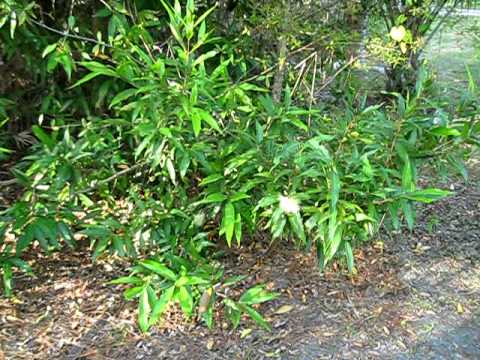
Syzygium jambos, commonly known as the rose apple, is a tropical fruit-bearing tree belonging to the Myrtaceae family. Native to Southeast Asia, this plant has been widely cultivated in various tropical and subtropical regions around the world. The rose apple is not only valued for its unique fruit but also for its ornamental appeal and medicinal properties.
Botanical Description
Syzygium jambos is an evergreen tree that can grow up to 10-15 meters in height. It has a dense, rounded canopy with glossy, dark green leaves that are lanceolate in shape. The leaves are aromatic when crushed, releasing a pleasant fragrance. The tree produces clusters of white to pale yellow flowers, which are about 5-8 cm in diameter and have numerous stamens that give them a fluffy appearance.
Fruit Characteristics
The fruit of Syzygium jambos is a small, round to oval berry, typically 4-5 cm in diameter. It has a thin, waxy skin that ranges in color from pale yellow to greenish-white. The flesh is crisp and juicy, with a texture similar to that of an apple. The flavor is mildly sweet with a hint of rose, which is why it is commonly referred to as the rose apple. Each fruit contains one to two large seeds that are not typically consumed.
Cultivation and Propagation
Syzygium jambos thrives in tropical and subtropical climates, preferring well-drained soils and full sunlight. It is relatively drought-tolerant once established but benefits from regular watering during dry periods. The tree can be propagated through seeds, cuttings, or air layering. Seed propagation is the most common method, although it may take several years for the tree to bear fruit.
Growing Conditions
- Soil: Prefers well-drained, loamy soils but can tolerate a range of soil types.
- Sunlight: Requires full sun for optimal growth and fruit production.
- Watering: Regular watering is essential during the establishment phase; drought-tolerant once mature.
- Temperature: Thrives in temperatures ranging from 20-30°C (68-86°F).
Uses and Benefits
Culinary Uses
The rose apple is consumed fresh, often enjoyed for its refreshing taste and crisp texture. It can also be used in various culinary applications:
- Jams and Jellies: The fruit's natural pectin content makes it suitable for making jams and jellies.
- Salads: Adds a unique flavor and crunch to fruit salads.
- Desserts: Can be used in pies, tarts, and other baked goods.
- Beverages: The juice can be used to make refreshing drinks or cocktails.
Medicinal Properties
Syzygium jambos has been used in traditional medicine for its various health benefits. Some of the medicinal properties attributed to the plant include:
- Antioxidant: The fruit is rich in antioxidants, which help combat oxidative stress and reduce the risk of chronic diseases.
- Anti-inflammatory: The leaves and bark have anti-inflammatory properties and are used to treat various ailments.
- Antimicrobial: Extracts from the plant have shown antimicrobial activity against certain bacteria and fungi.
- Digestive Health: The fruit is believed to aid digestion and alleviate gastrointestinal issues.
Ornamental Value
In addition to its edible fruit, Syzygium jambos is also valued for its ornamental appeal. The tree's attractive foliage, fragrant flowers, and overall aesthetic make it a popular choice for landscaping in tropical and subtropical regions.
Environmental Impact
Syzygium jambos can become invasive in certain regions, particularly in areas where it is not native. The tree's ability to spread rapidly and outcompete local vegetation can pose a threat to native ecosystems. It is important to manage its cultivation and prevent uncontrolled spread to protect biodiversity.
Articles/Studies
Inhibitory effects of Syzygium jambos extract on biomarkers of endothelial cell activation.