Stretching Exercise
Return to Exercise Menu
Videos
Stretching is Magic
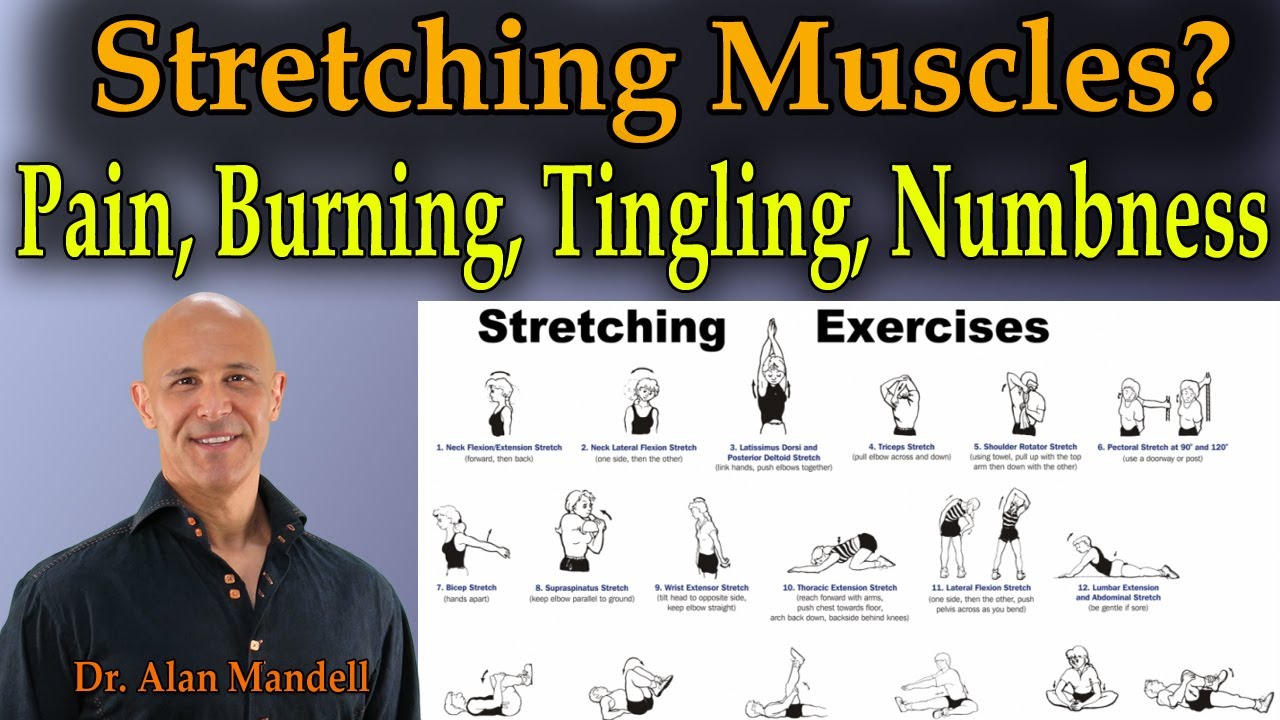
Burning, Tingling, Numbness
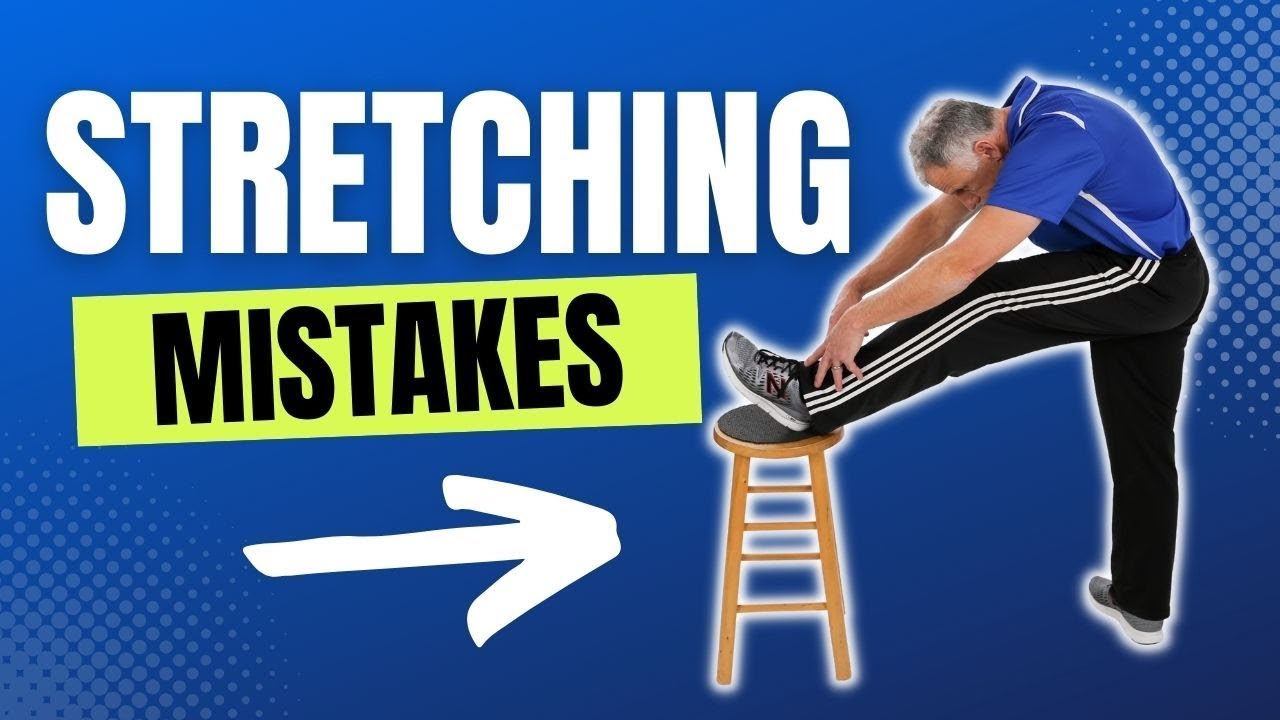
8 Stretching Mistakes Most People Make
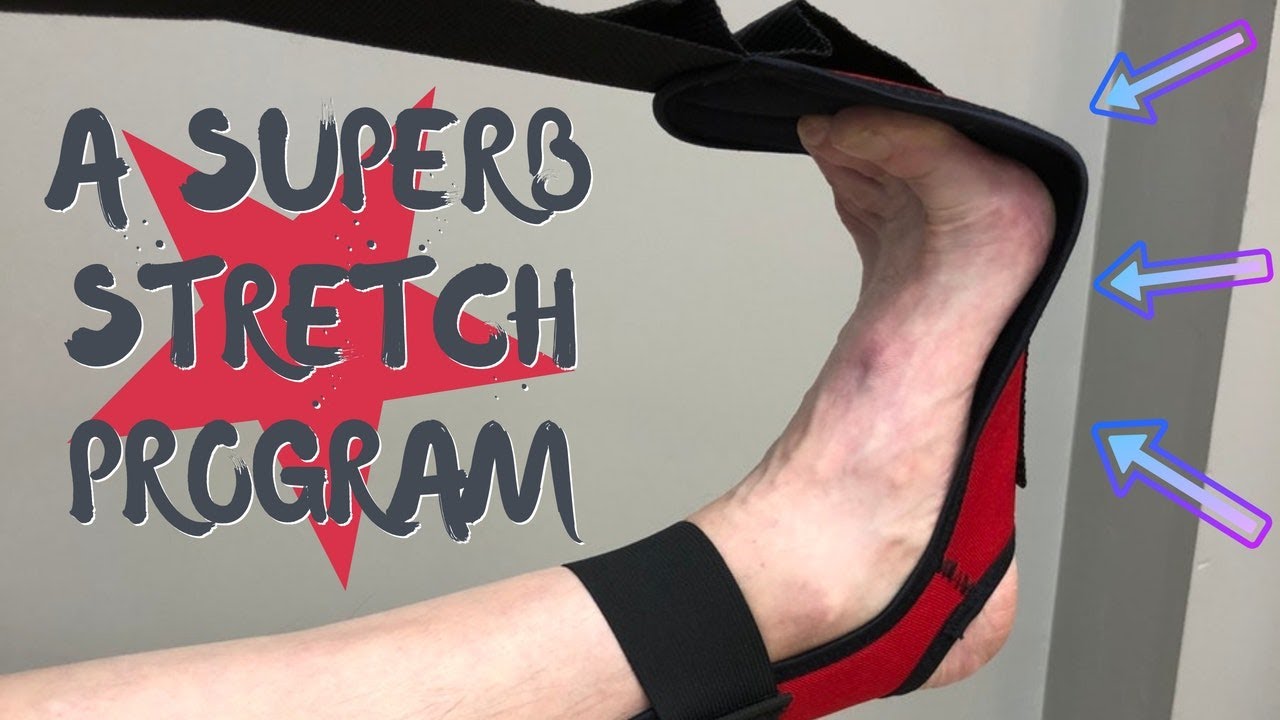
Stretch Program in Bed or on Floor
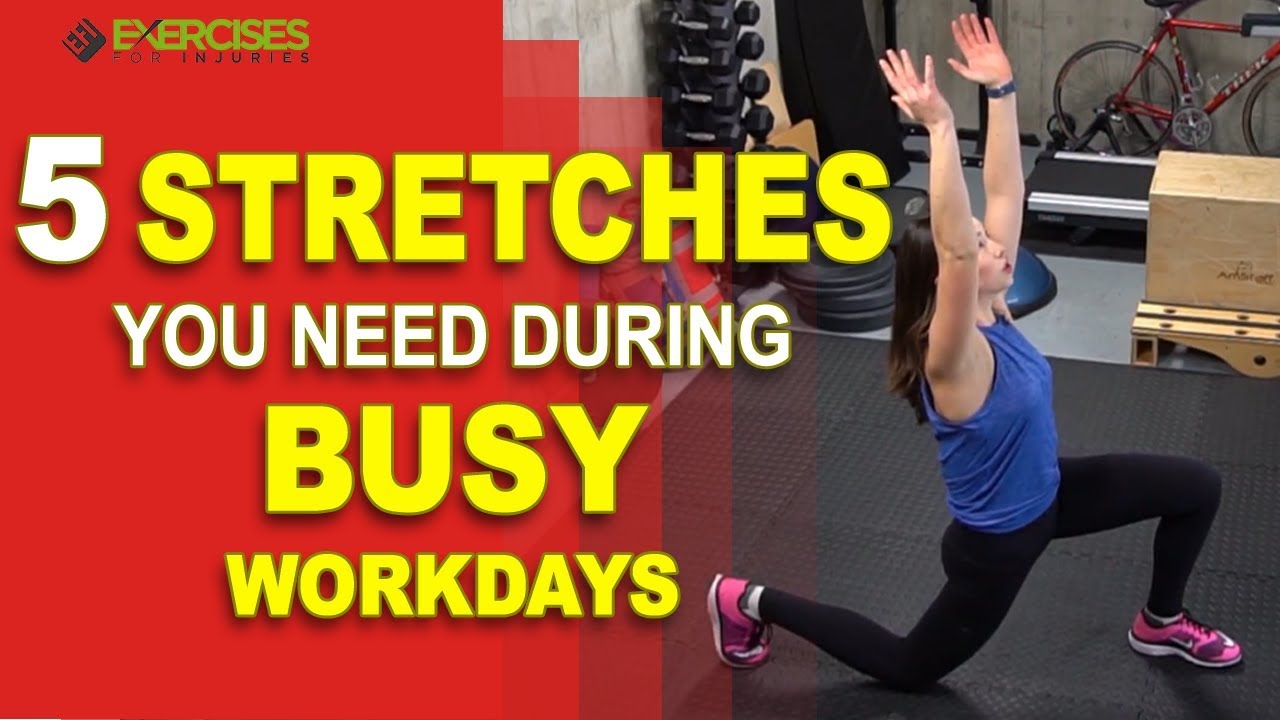
5 Stretches You Need During Busy Work Days
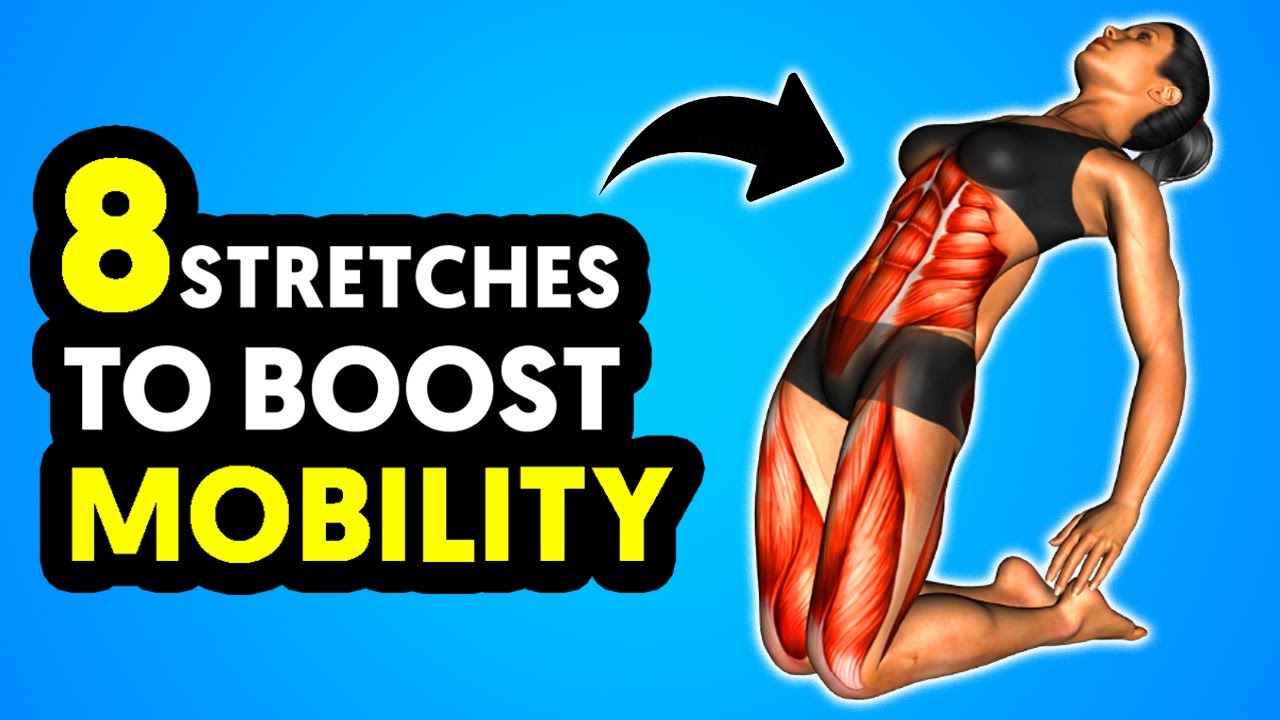
Boost Your Mobility With These 8 Easy Stretches
90% People Become Flexible With These 5 Stretches!

Stretching exercises are a fundamental component of physical fitness and overall well-being. They involve the deliberate elongation of muscles and tendons to improve flexibility, range of motion, and muscle control. Whether you're an athlete, a fitness enthusiast, or someone looking to improve daily mobility, incorporating stretching into your routine can offer numerous benefits.
Benefits of Stretching
Stretching exercises provide a wide array of benefits that contribute to both physical and mental health:
- Improved Flexibility: Regular stretching helps lengthen muscles, increasing flexibility and making everyday activities easier.
- Enhanced Range of Motion: By stretching, you can improve the range of motion in your joints, which can help prevent injuries.
- Increased Blood Flow: Stretching increases blood flow to the muscles, which can help reduce muscle soreness and speed up recovery after workouts.
- Stress Relief: Stretching can help relieve tension and stress, promoting relaxation and mental clarity.
- Improved Posture: Regular stretching can help correct muscle imbalances, leading to better posture and reduced back pain.
- Enhanced Athletic Performance: For athletes, stretching can improve performance by increasing flexibility and reducing the risk of injury.
Types of Stretching
There are several types of stretching exercises, each serving different purposes and offering unique benefits:
Static Stretching
Static stretching involves holding a stretch in a challenging but comfortable position for a period of time, usually between 15 to 60 seconds. This type of stretching is most effective after a workout when muscles are warm. It helps improve flexibility and cool down the body.
Dynamic Stretching
Dynamic stretching involves moving parts of your body through a full range of motion in a controlled manner. This type of stretching is often used as a warm-up before physical activity as it helps increase blood flow and prepare the muscles for exercise.
Ballistic Stretching
Ballistic stretching uses the momentum of a moving body or a limb in an attempt to force it beyond its normal range of motion. This type of stretching is generally not recommended for the average person as it can lead to injury if not done correctly.
PNF Stretching
Proprioceptive Neuromuscular Facilitation (PNF) stretching involves both stretching and contracting the muscle group being targeted. It is often used in clinical settings and can be very effective in increasing flexibility.
Active Stretching
Active stretching involves holding a stretch using only the strength of your muscles. This type of stretching helps improve muscle strength and flexibility simultaneously.
How to Incorporate Stretching into Your Routine
Incorporating stretching into your daily routine doesn't have to be time-consuming or complicated. Here are some tips to help you get started:
- Warm Up First: Always warm up your muscles with light aerobic activity before stretching to prevent injury.
- Focus on Major Muscle Groups: Pay attention to the major muscle groups such as calves, thighs, hips, lower back, neck, and shoulders.
- Hold Each Stretch: Hold each stretch for at least 15 to 30 seconds, and repeat each stretch two to four times.
- Breathe Deeply: Remember to breathe deeply and naturally while stretching to help relax your muscles.
- Avoid Bouncing: Avoid bouncing or jerking movements while stretching, as this can cause muscle strain.
- Listen to Your Body: Stretch to the point of mild discomfort, not pain. If you feel pain, ease back on the stretch.
Common Stretching Exercises
Here are some common stretching exercises that you can incorporate into your routine:
- Hamstring Stretch: Sit on the floor with one leg extended and the other bent. Reach towards your toes on the extended leg, keeping your back straight.
- Quadriceps Stretch: Stand on one leg, grab the ankle of the opposite leg, and pull it towards your buttocks.
- Shoulder Stretch: Bring one arm across your body and use the opposite arm to pull it closer to your chest.
- Triceps Stretch: Raise one arm overhead, bend the elbow, and use the opposite hand to gently push the elbow down.
- Calf Stretch: Stand facing a wall, place one foot behind the other, and press the back heel into the ground.
Here's a great app to create and use a personal stretch/flexibility routine: Body Stretch
We all enjoy a good stretch when we wake up, but rarely do we continue to do stretching exercises when we get up, which is a shame, because it does our bodies the world of good. Stretching improves your flexibility, circulation, helps you relieve pain and tension inside your muscles, especially if your work involves sitting down for long periods of time. However, if you don’t know how to stretch properly, you might end up hurting yourself, which is why we recommend using the Body Stretch and Flexibility app.
The app features over 40 different stretching routines and exercises, which are suitable for all ages, and all genders. All exercises have detailed explanations and a video that goes along with it, showing you how to perform them. Choose between different difficulty levels, create your own routines, and keep track of your results with this app.
Download: Android | iOS