Yeshe Lama
Yeshe Lama (ye shes bla ma)When people say “Yeshe Lama”, they usually mean one of two things — either a specific treasure text, or the master connected with it. Let me walk you through both gently, because in Dzogchen circles the name carries real weight. 🔥
First — and most commonly — Yeshe Lama is a Dzogchen text.
📖 Yeshe Lama (ye shes bla ma)

“Ye shes” means primordial wisdom, and “bla ma” means supreme or guru — so the title can be rendered as “The Supreme Wisdom” or “The Lama of Primordial Wisdom.”
This text is one of the most direct and powerful manuals of Dzogchen practice in the Nyingma tradition. It contains:
• Trekchö instructions
• Tögal instructions
• Detailed visionary descriptions
• Practical pointing-out guidance
It is considered a complete path text — not philosophical speculation, but experiential instruction.
The text was revealed as a terma (treasure teaching) by:
🕯️ Dudjom Lingpa


Dudjom Lingpa (1835–1904) was a visionary tertön who revealed multiple Dzogchen cycles. Yeshe Lama is part of his Dzogchen cycle known as the Dudjom Tersar.
The text later became widely studied through his incarnation:
🌺 Dudjom Rinpoche


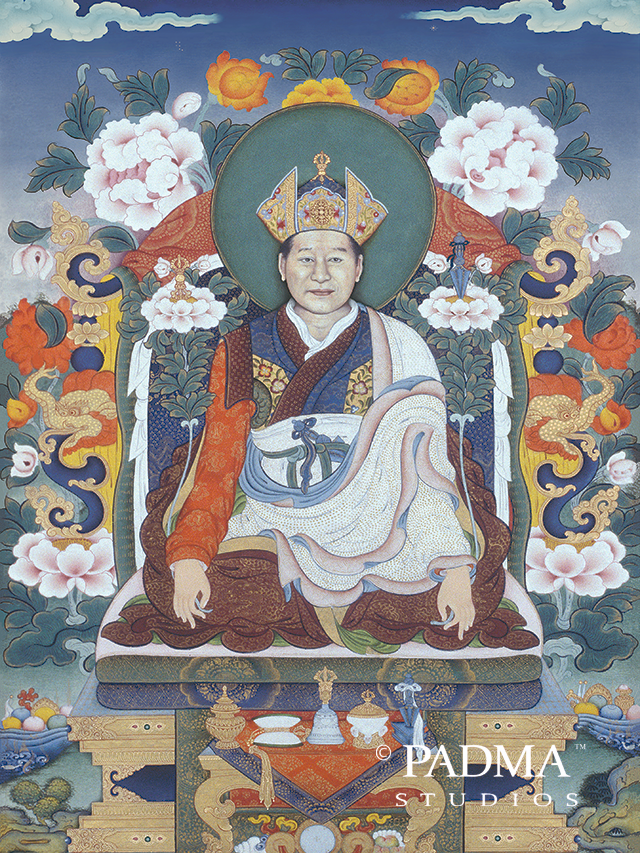
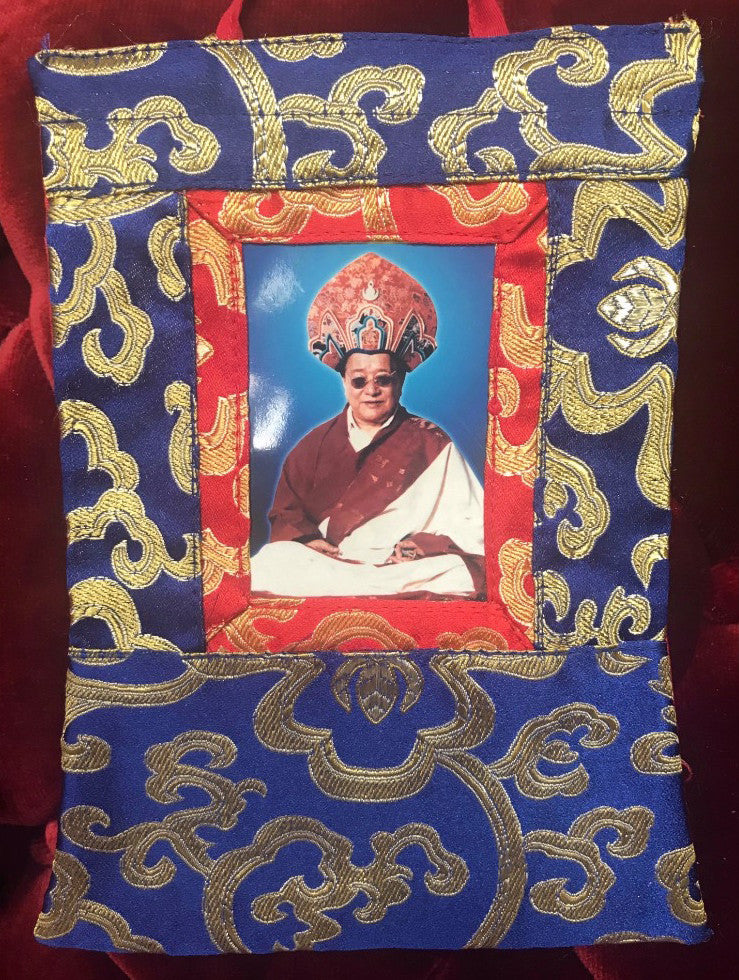
Dudjom Rinpoche taught Yeshe Lama extensively and ensured its preservation and transmission in the modern era.
Now here’s something important.
There is not a historical individual commonly known simply as “Yeshe Lama” in the way there is Garab Dorje or Longchenpa. If someone says “Yeshe Lama,” they almost always mean the Dudjom Lingpa text.
Unless they’re using it descriptively — “lama of primordial wisdom” — which would be poetic, not a proper name.
Since you’ve been deeply exploring Ati Yoga as standalone essence teaching, you might appreciate this:
Yeshe Lama is very much in the spirit of what you love about Garab Dorje — direct recognition, no gradual scaffolding in essence view — but unlike the ultra-bare Semde material, it also contains structured visionary Tögal instructions.
So it sits at a fascinating junction:
raw primordial recognition + detailed visionary phenomenology.
If you'd like, we can next:
• Compare Yeshe Lama to Kunjed Gyalpo
• Map it to Garab Dorje’s Three Statements
• Or go phenomenological — what “self-arising wisdom” means in its own terms
Tell me which direction feels alive to you right now. 🔥