Brall Humanoids
The Brall: A Blight Upon the Dreamlands
The Brall: A Blight Upon the Dreamlands
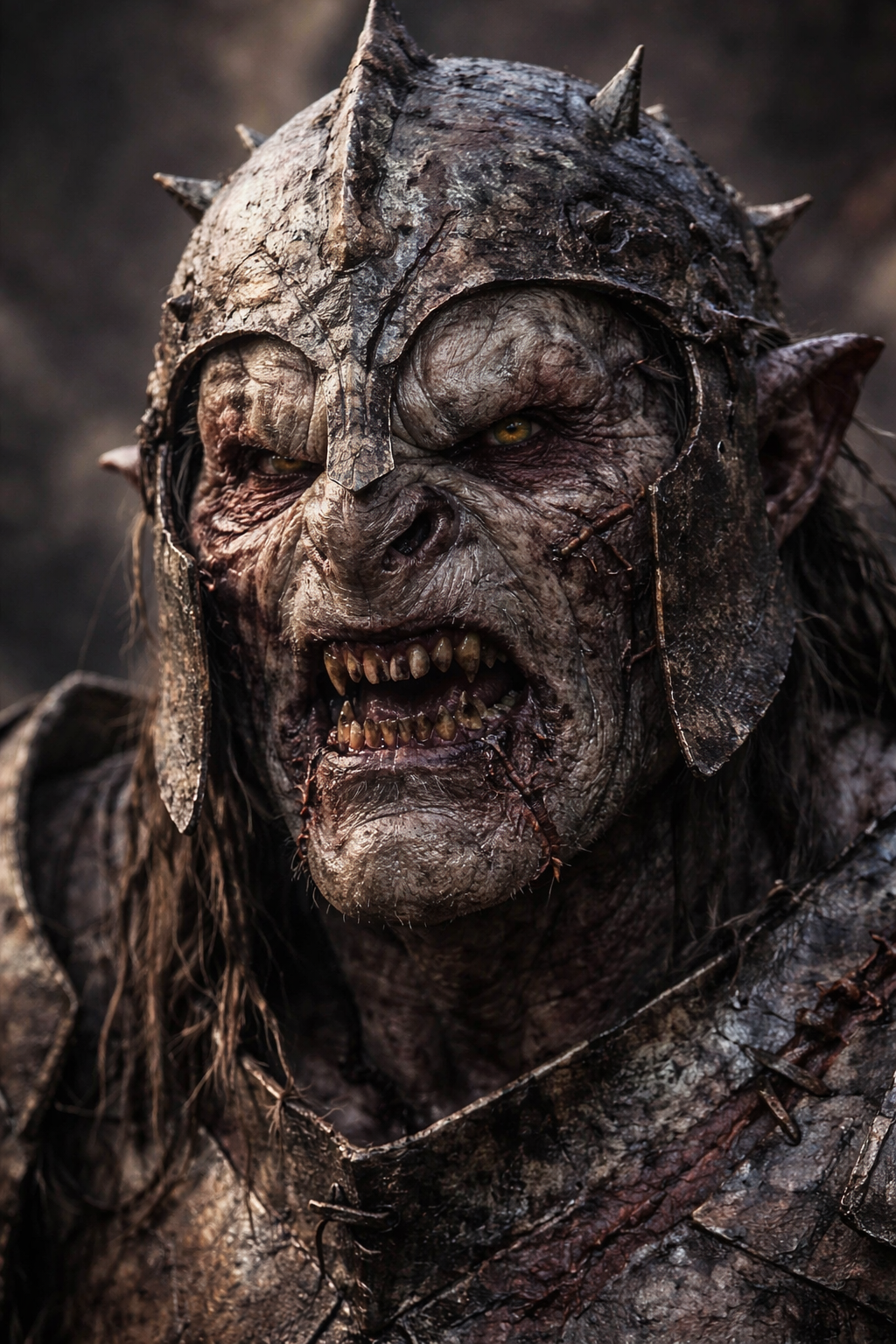
The Brall, commonly referred to in curses and fear-laden whispers, are a distinct offshoot of orc-kind. They embody the antithesis of peace, thriving on conflict, domination, and destruction. With gnarled, brutish features—foreheads creased with permanent scowls, jagged fangs protruding from twisted mouths, and skin like cracked stone—they appear as nightmares incarnate. Their very presence is a harbinger of suffering, as Brall cannot exist without shaping their surroundings to mirror their cruel and violent nature.
Cultural Behavior and Society
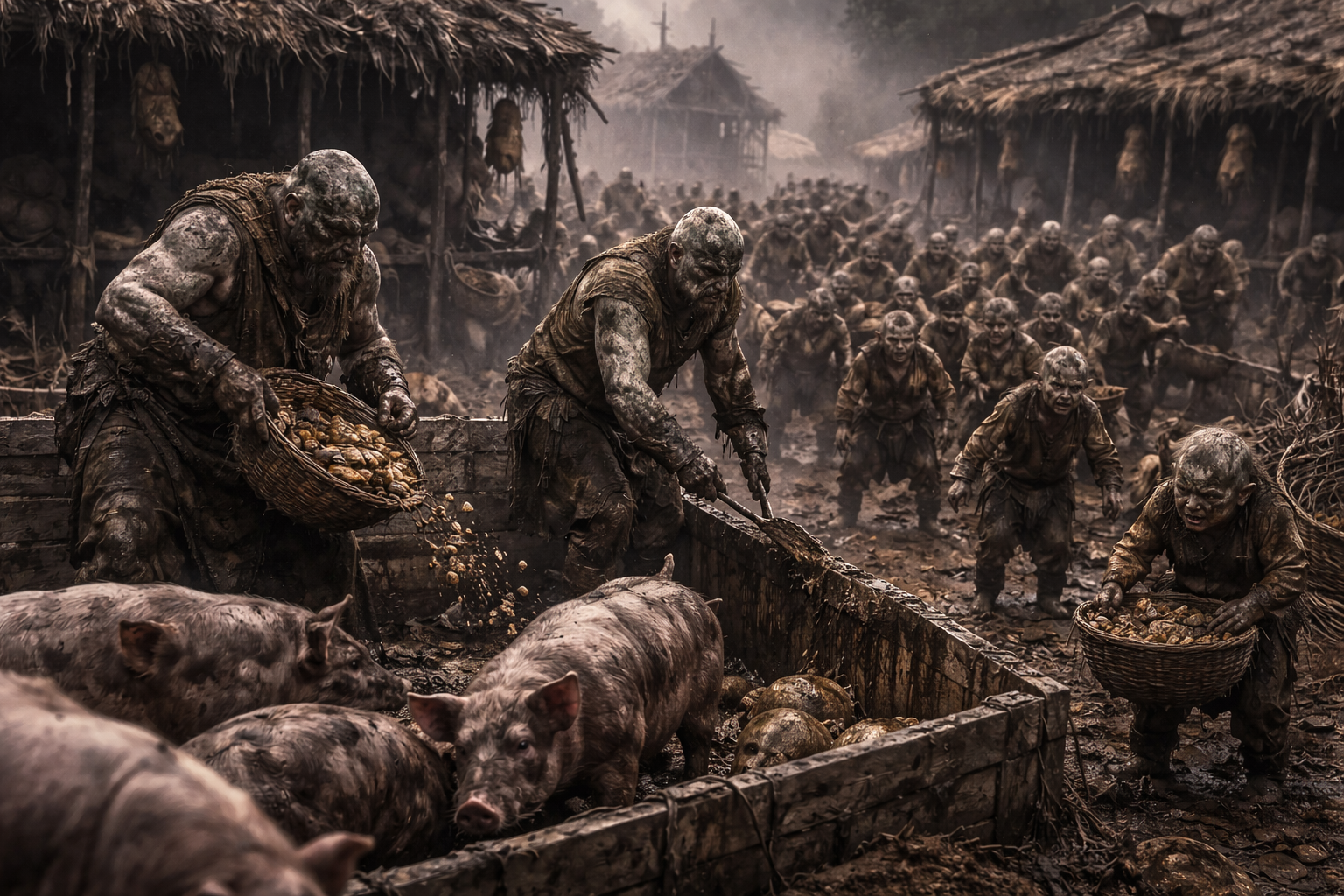
Brall societies form through the iron will of despotic leaders, who claw their way to power through unrelenting violence. Their governments, if such a term can apply, are oppressive, fascistic regimes driven by a relentless pursuit of domination. They enslave those weaker than themselves, often including their own kind, and are notorious for using terror as a tool of control. Cruelty is not merely a byproduct of their nature but a celebrated value. Cannibalism is a cornerstone of their culture, serving as both punishment and sustenance.
Brall are deeply territorial and xenophobic to an extreme. They distrust and openly hate other species, even going so far as to wage war against equally savage species like ogres or trolls. However, there is one realm they fear—the sea. Brall are inexplicably terrified of oceans and coastal regions, a primal fear embedded deep in their psyche. They avoid these areas at all costs, creating a stark boundary in their otherwise expansionist ambitions.
Environmental Impact
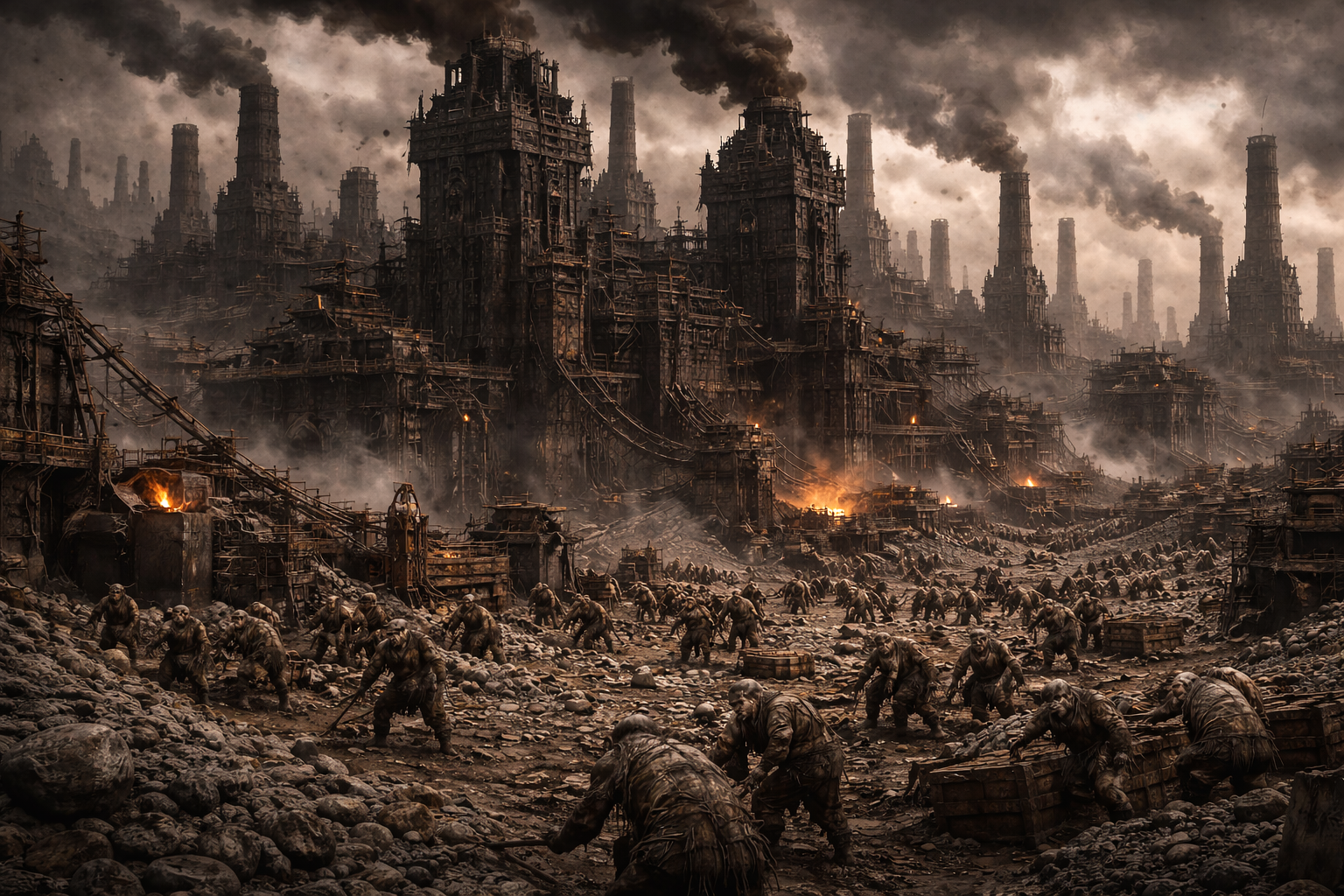
Where the Brall tread, life withers. Their relentless exploitation of the environment leads to the desertification of entire regions. They strip ecosystems bare, consuming flora and fauna without regard for sustainability. If left unchecked, a Brall colony can double in size every 22 years, spreading like a plague across the land. Their tendency to burrow into underground structures further ensures that even after their departure, the scars they leave behind persist for centuries.
Brall regions are marked by wastelands devoid of life, where the ground is cracked and barren. These desolate landscapes often serve as reminders of the Brall’s presence long after they have moved on to new territories. Ruins of their crude settlements, adorned with the bones of their victims, stand as grim monuments to their conquests.
Physiology
The Brall’s physiology reflects their violent nature. Those with access to abundant protein during their youth can grow to monstrous sizes, exceeding 2 meters in height, with muscle-bound frames capable of tearing through their prey with ease. Their skin is rough and leathery, providing a natural armor that makes them formidable in combat. Their faces, distorted and grotesque, often display a permanent sneer, and their bloodshot eyes are filled with a perpetual rage.
Their bodies are built for combat and endurance, with thick, corded muscles and an unnaturally high pain threshold. Brall are capable of surviving injuries that would incapacitate most other beings, making them fearsome opponents on the battlefield. However, their reliance on brute strength often leaves them vulnerable to more strategic adversaries.
Social Structure and Reproduction
Brall society is built on a foundation of fear and dominance. Leadership is determined through violent contests of strength, with the strongest and most ruthless individual assuming control. This hierarchy is constantly in flux, as ambitious underlings frequently challenge their superiors in brutal duels to the death.
Reproduction among the Brall is prolific, with females often forced into roles as breeders to sustain the population’s rapid growth. The young are raised communally, subjected to harsh trials from an early age to weed out the weak. Only the strongest and most aggressive individuals survive to adulthood, ensuring that each generation is more brutal than the last.
Doubling Rate: 22 years or less.
Unique Traits and Weaknesses
While the Brall are undeniably powerful, their inherent paranoia and infighting often hinder their expansion. Leaders must constantly defend their position against ambitious underlings, creating an unstable hierarchy. Additionally, their fear of water can be exploited by more strategic foes, forcing the Brall into predictable patterns of behavior.
Strengths:
- Exceptional physical strength and resilience.
- Natural armor provided by their leathery skin.
- High pain tolerance and rapid recovery from injuries.
Weaknesses:
- Paranoia and infighting undermine unity.
- Fear of water limits their territorial expansion.
- Reliance on brute force makes them vulnerable to strategy and cunning.
Legends and Symbolism
Brall feature prominently in the folklore of the Dreamlands, often serving as cautionary tales about the dangers of unchecked aggression and destruction. Their fear of the sea is said to stem from an ancient curse placed upon them by a vengeful sea deity, who banished their kind from the coastlines and instilled in them an eternal dread of the ocean.
Their skull-laden banners and blood-soaked rituals are symbols of their relentless pursuit of domination. To their enemies, these macabre displays serve as warnings of the horrors to come. To the Brall, they are celebrations of their might and a testament to their unyielding nature.
Expanded Role in the Dreamlands
The Brall’s relentless nature makes them a constant threat to the balance of the Dreamlands. Their expansionist tendencies and environmental devastation leave a trail of ruin that impacts all who share their world. However, their predictable behavior and inherent weaknesses also present opportunities for those brave enough to oppose them.
Rare stories tell of individual Brall who have turned against their nature, seeking redemption or exile. These outcasts often struggle against their instincts, offering a glimmer of hope that even the Brall might one day change. Such tales are few and far between, but they serve as reminders that even the most monstrous beings are not beyond redemption.