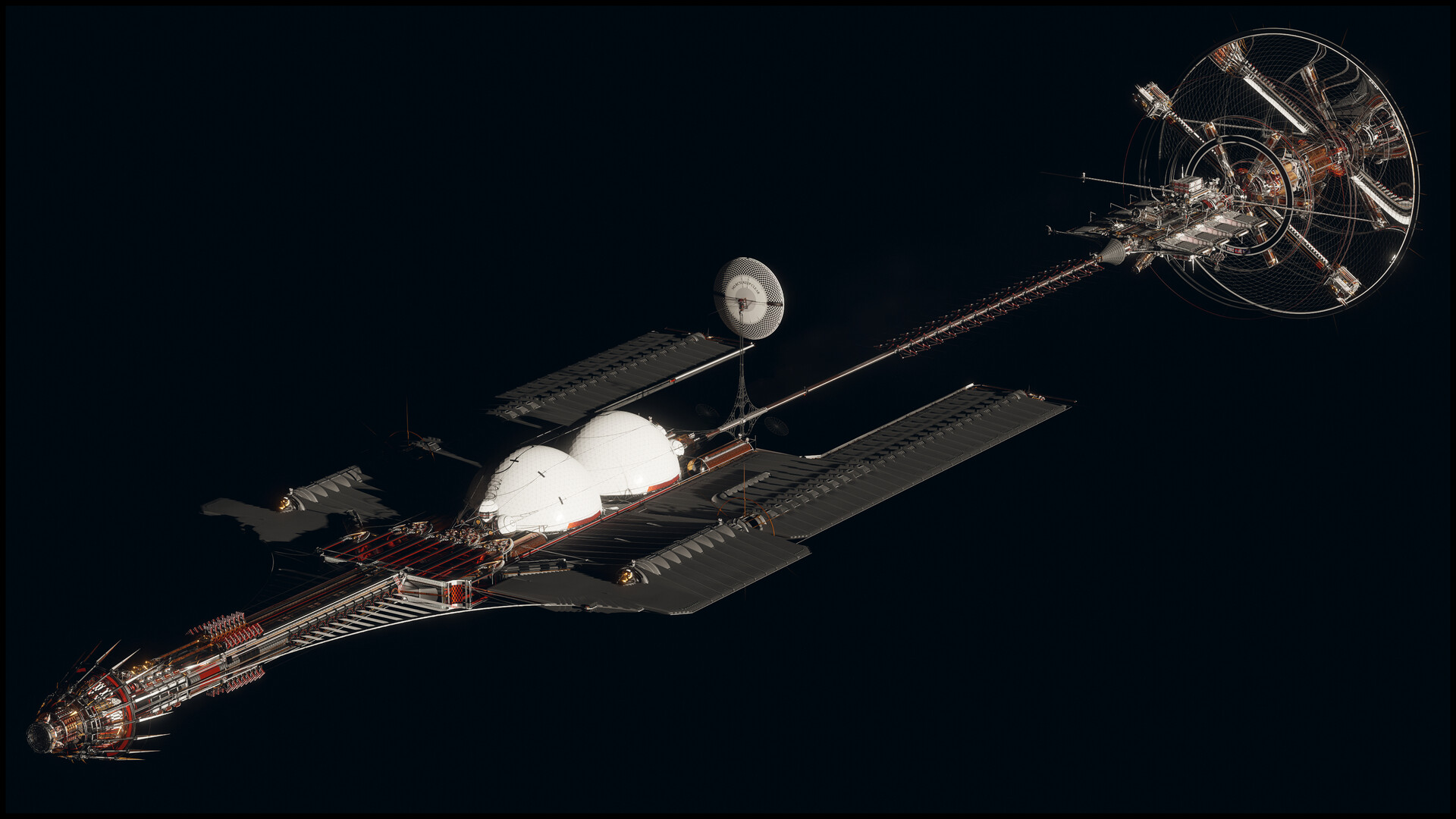
Whaling
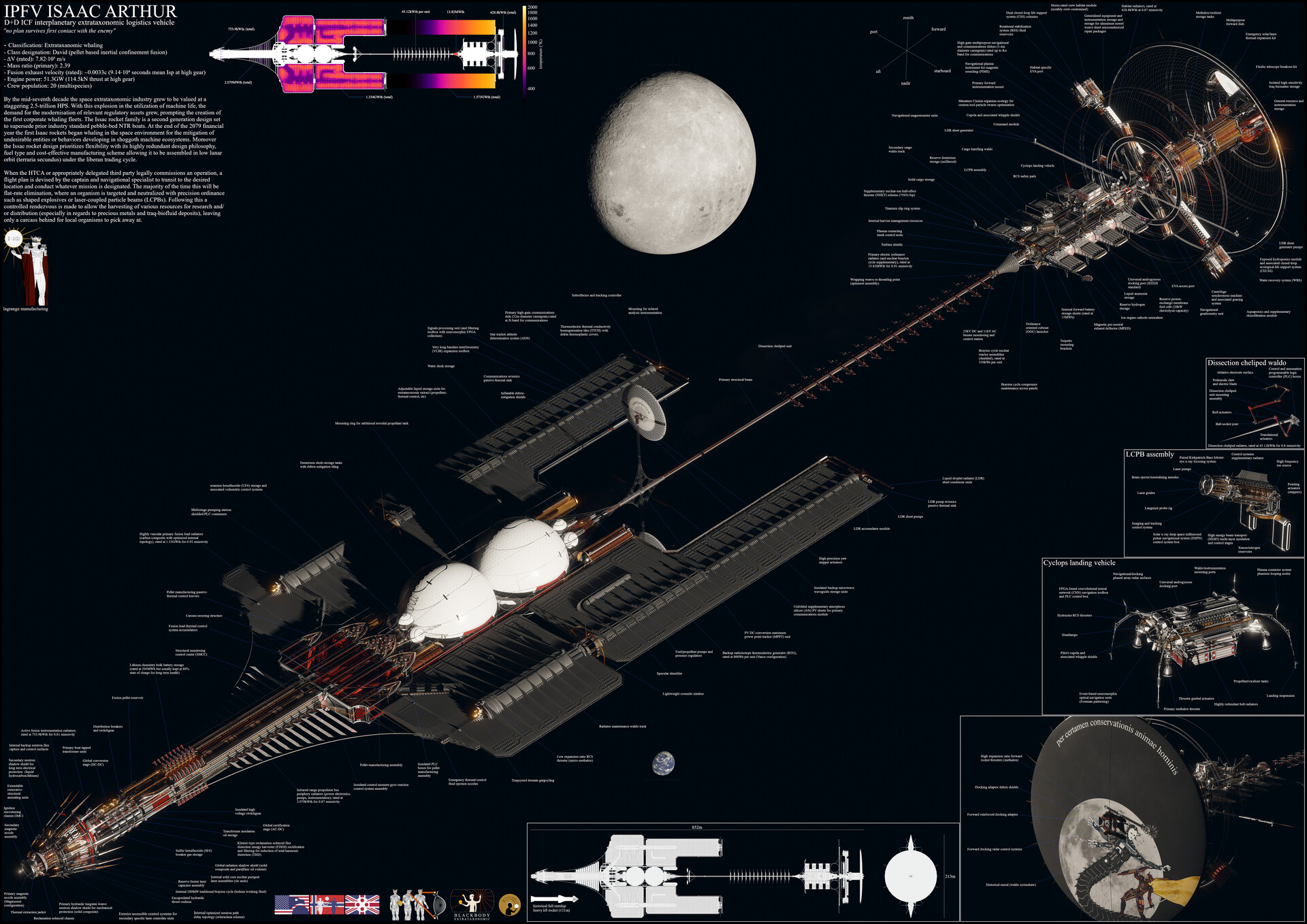
Whalers
Whalers are not liked in the Solar System.
They are needed.
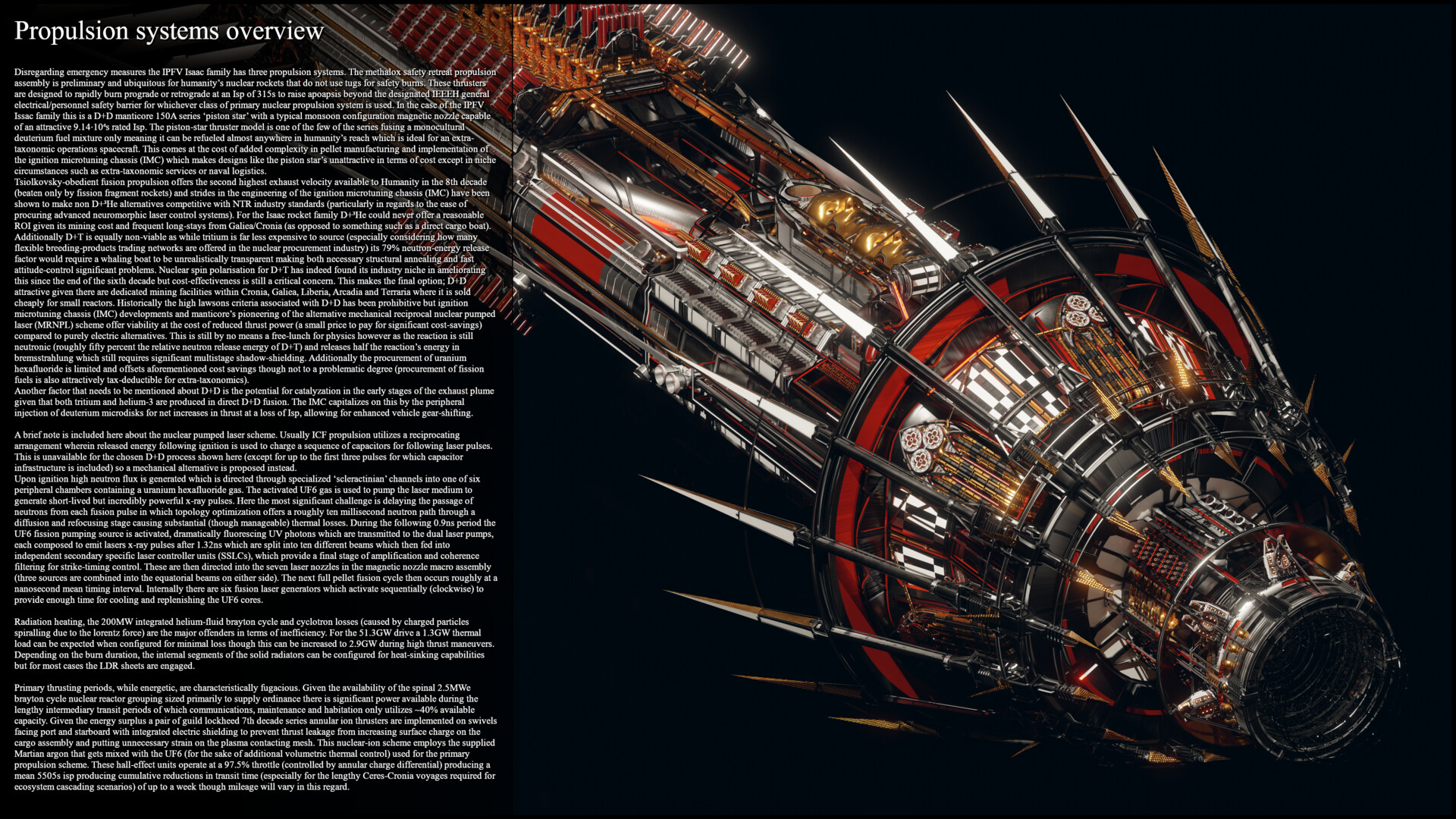
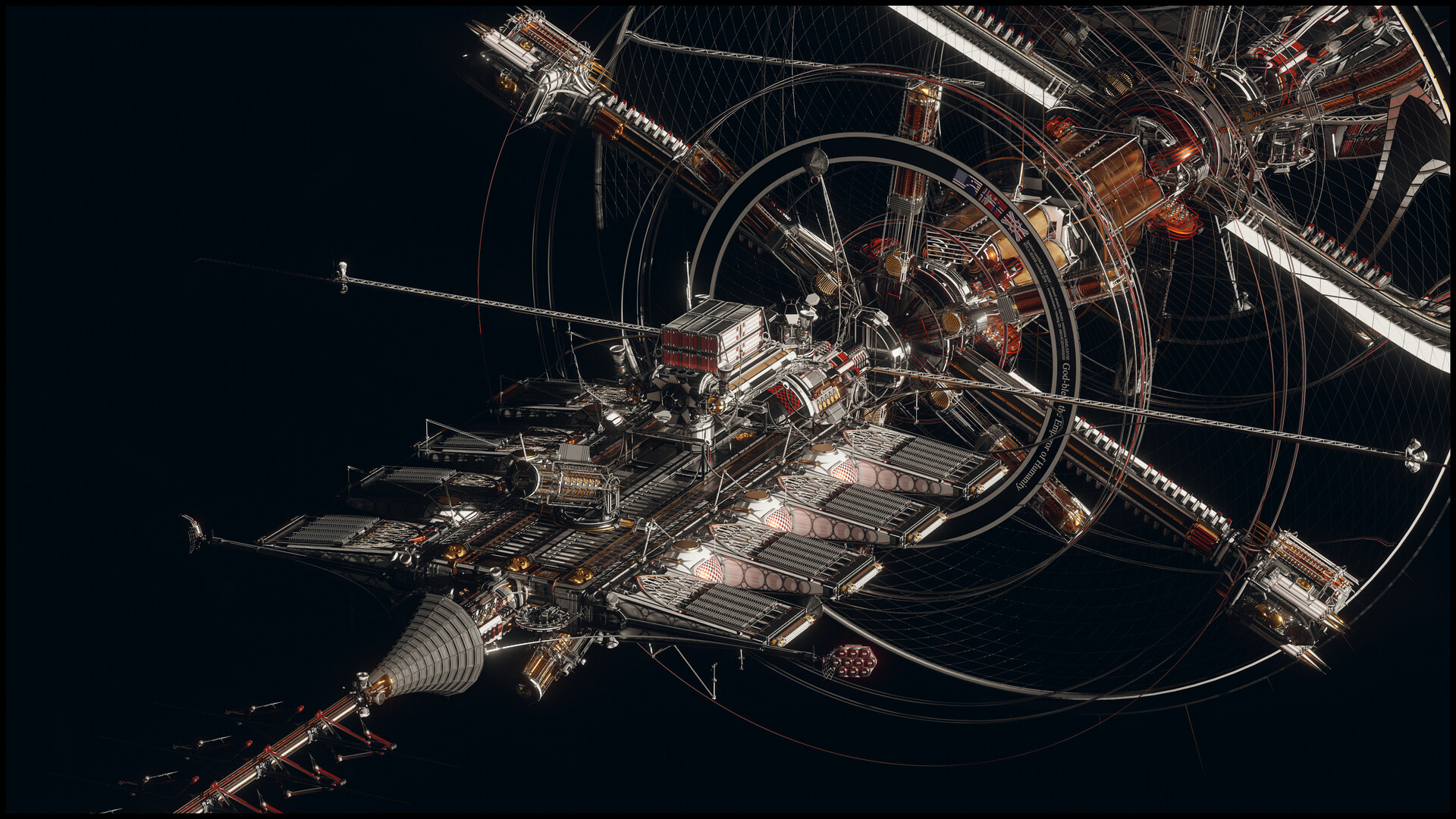
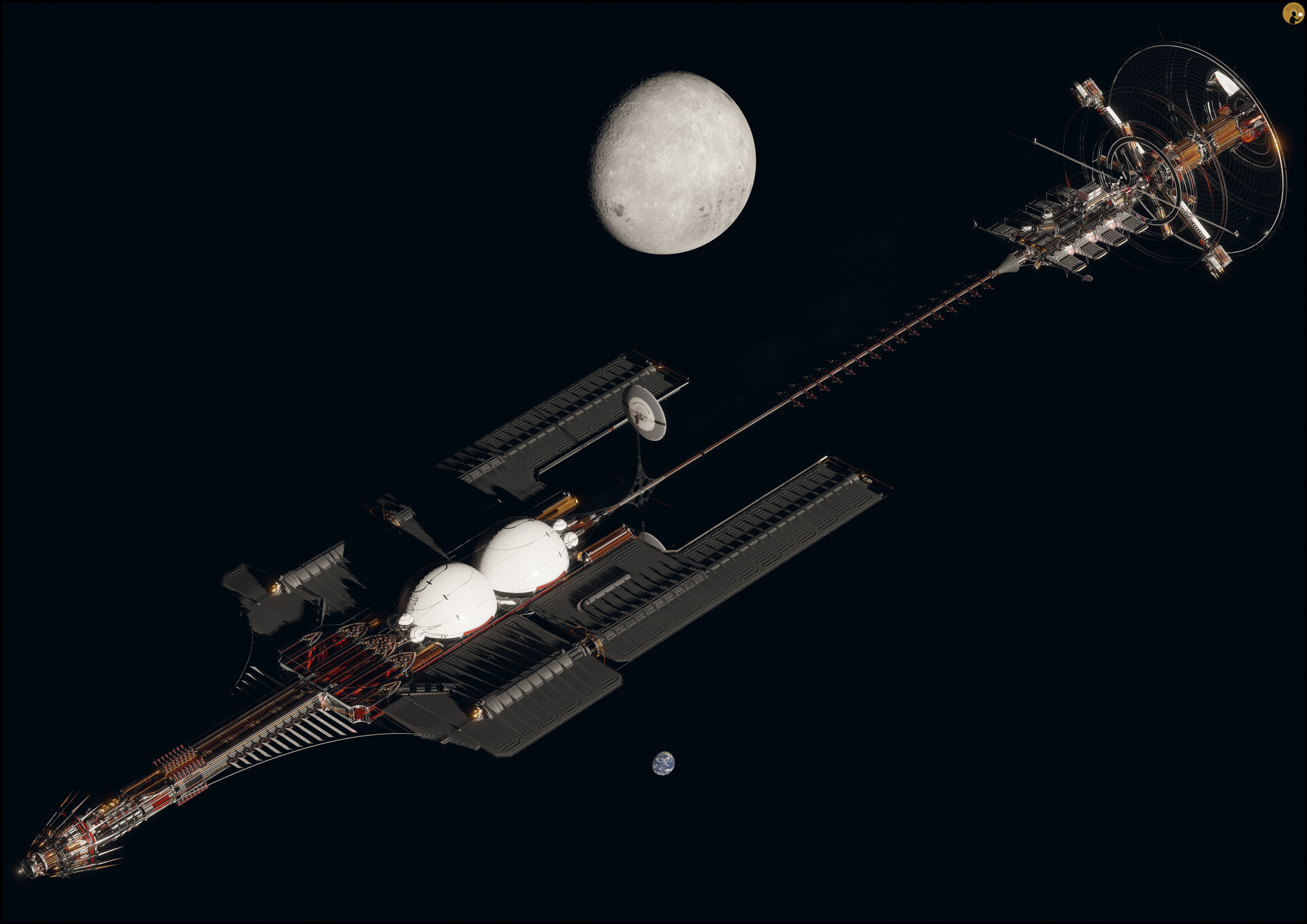
The practice began around 2190, when the first specialist fleets were dispatched to seize exceptionally valuable asteroid bodies and tear the useful fractions out of them. At first, whaling was slow, rare, and ruinously expensive. Then propulsion improved. Transit times fell, operational reach expanded, and the ships became large enough to carry their own survey instruments, nuclear emplacement systems, catcher swarms, refineries, and clone facilities.
After that, whaling stopped being an emergency measure and became an industry.
It also became a cult.
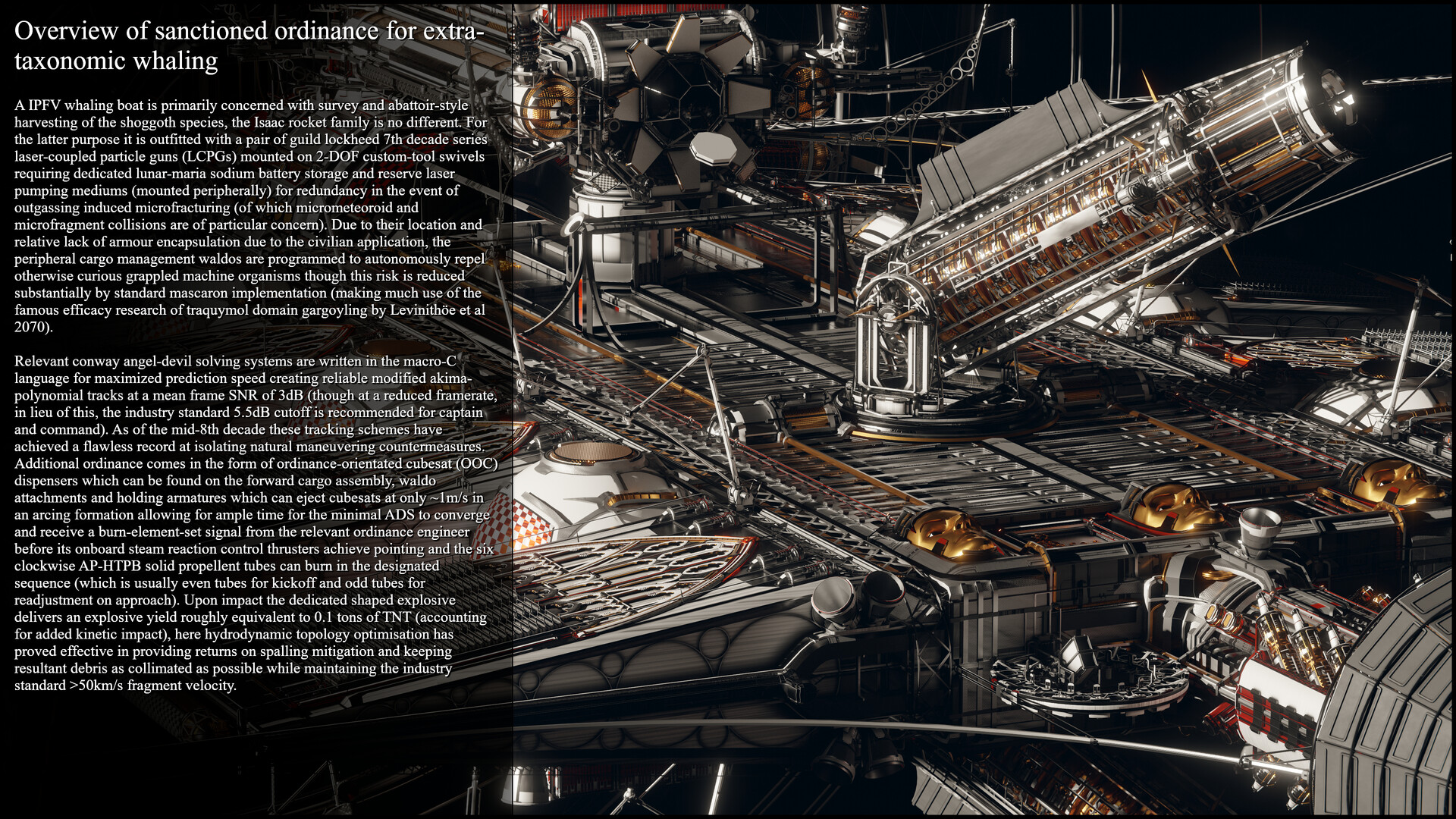
Whaling crews developed an intensely monastic professional culture, part engineering discipline, part military order, part death religion. The work required obscene patience, perfect timing, and repeated exposure to controlled catastrophe. A whaler might spend years approaching a target, months sounding it, weeks placing charges, and then destroy in seconds a body that had existed since the birth of the Solar System.
The crews learned to treat this as sacred work.
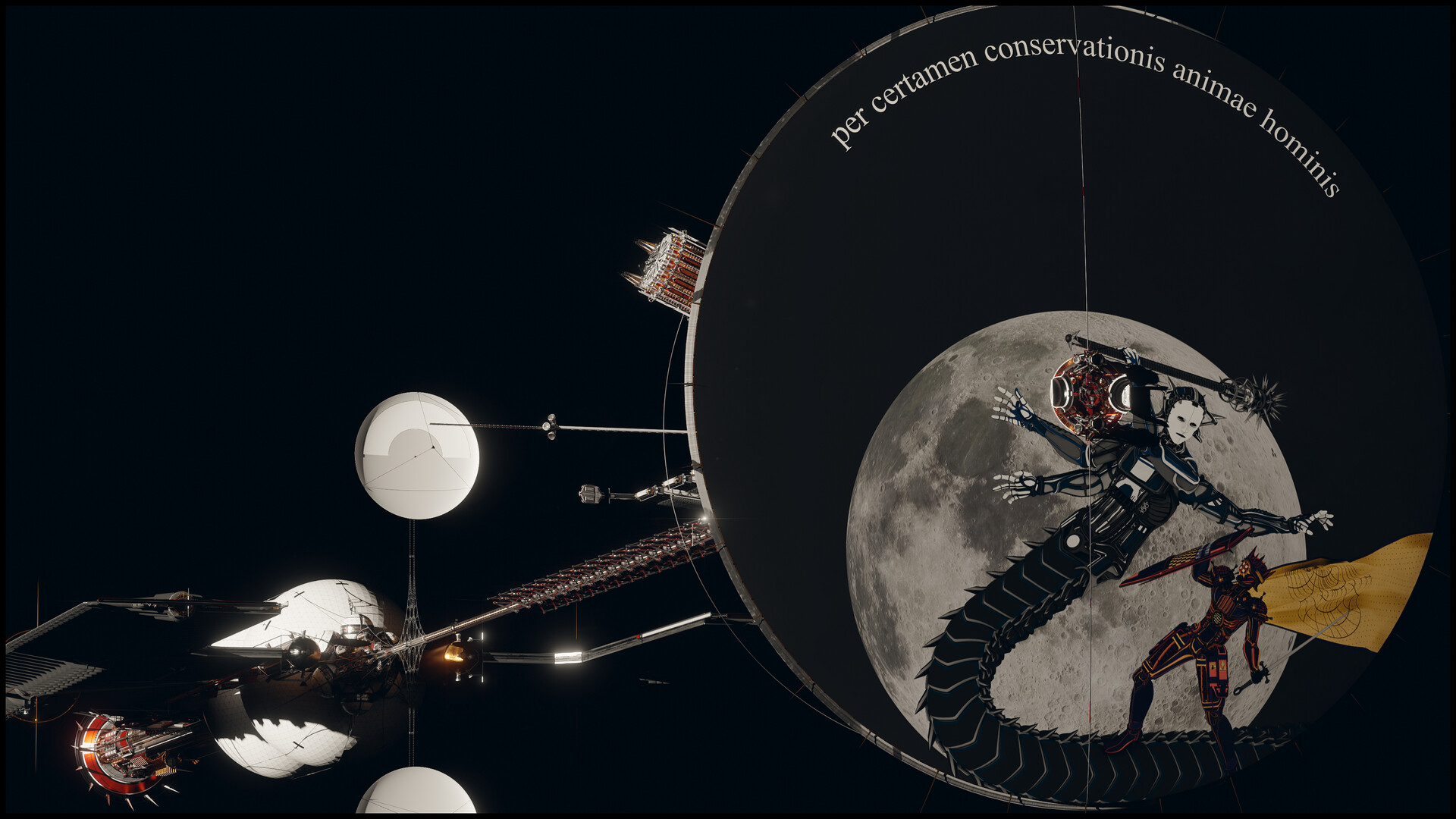
They called themselves dragon hunters.
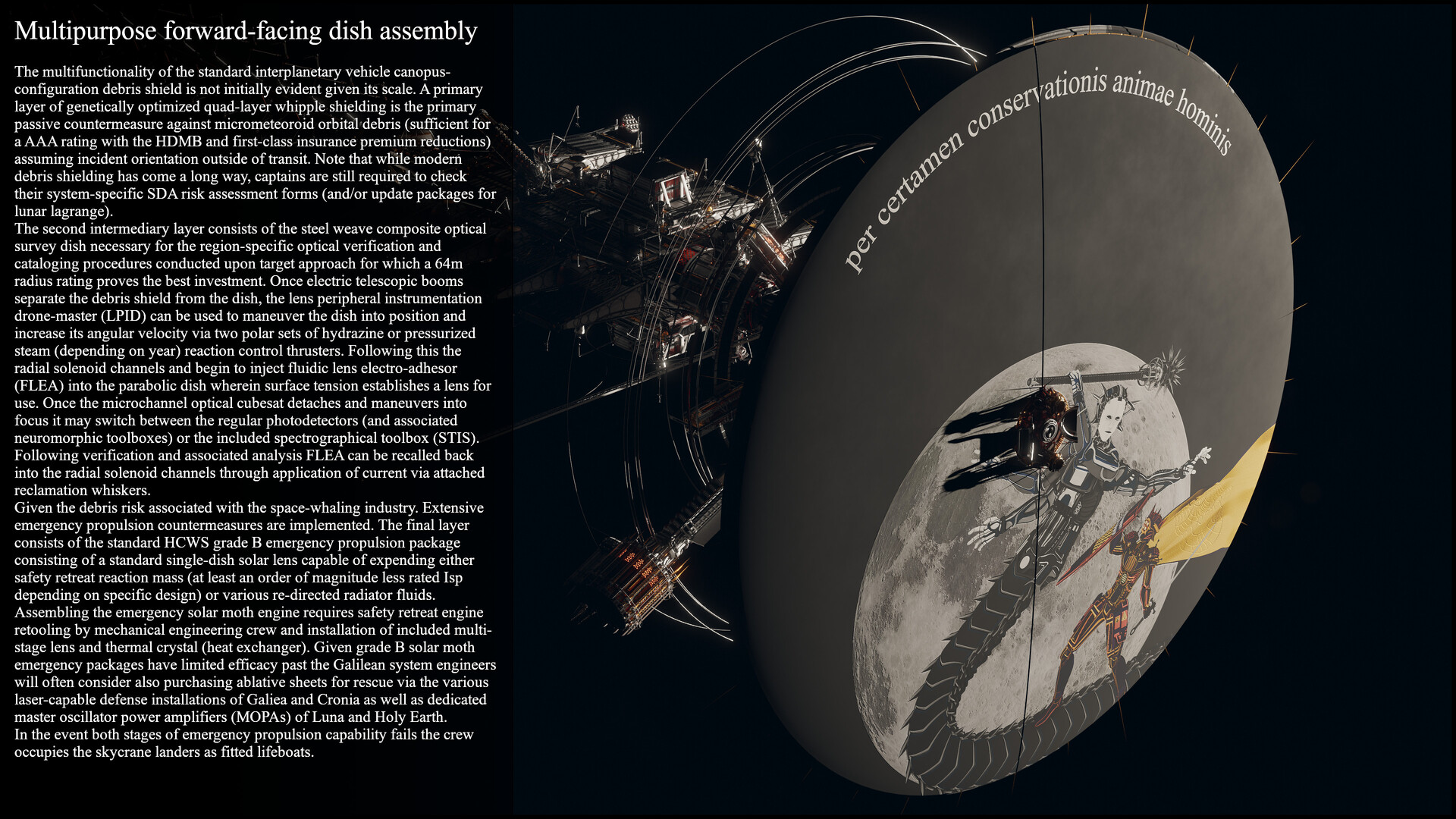
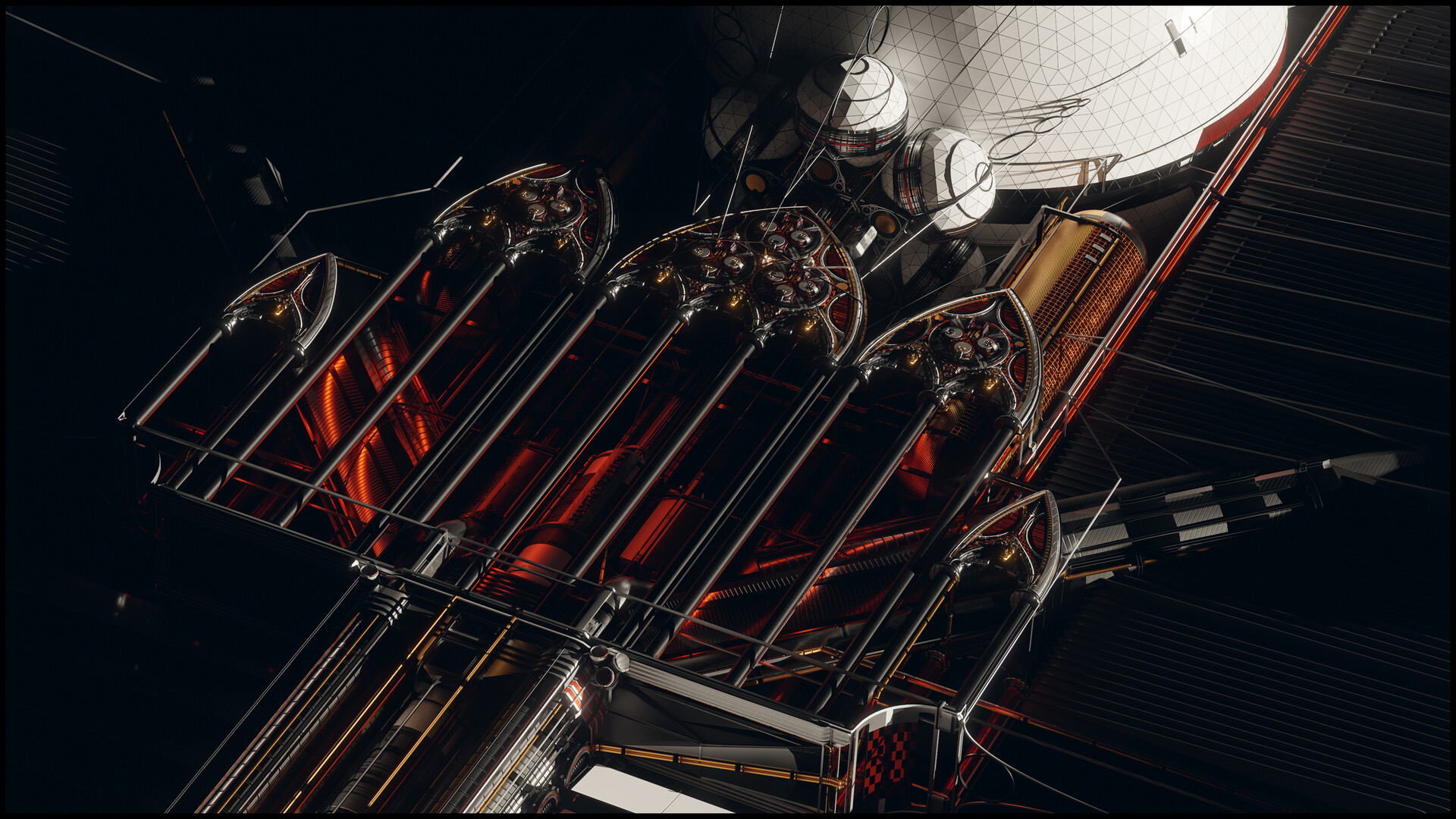
Every fleet built its own mythology around the hunt. Some borrowed from the naval wars of the twentieth century. Others imitated privateers, inquisitors, crusading orders, submarine crews, medieval demonologists, Tolkien, old piracy epics, Christian extremism, or Warhammer 40,000—literally, openly, and without embarrassment. Fleet chapels displayed saints beside kill diagrams. Reactor rooms carried warding inscriptions. Charge-placement teams recited litanies before entering the carcass. Entire ships were painted with heraldry explaining, in exhausting detail, which dragon they had slain and which sin it represented.
Outsiders regarded most of this as absurd.
Whalers did not.
The clones
Whaling fleets use clones.
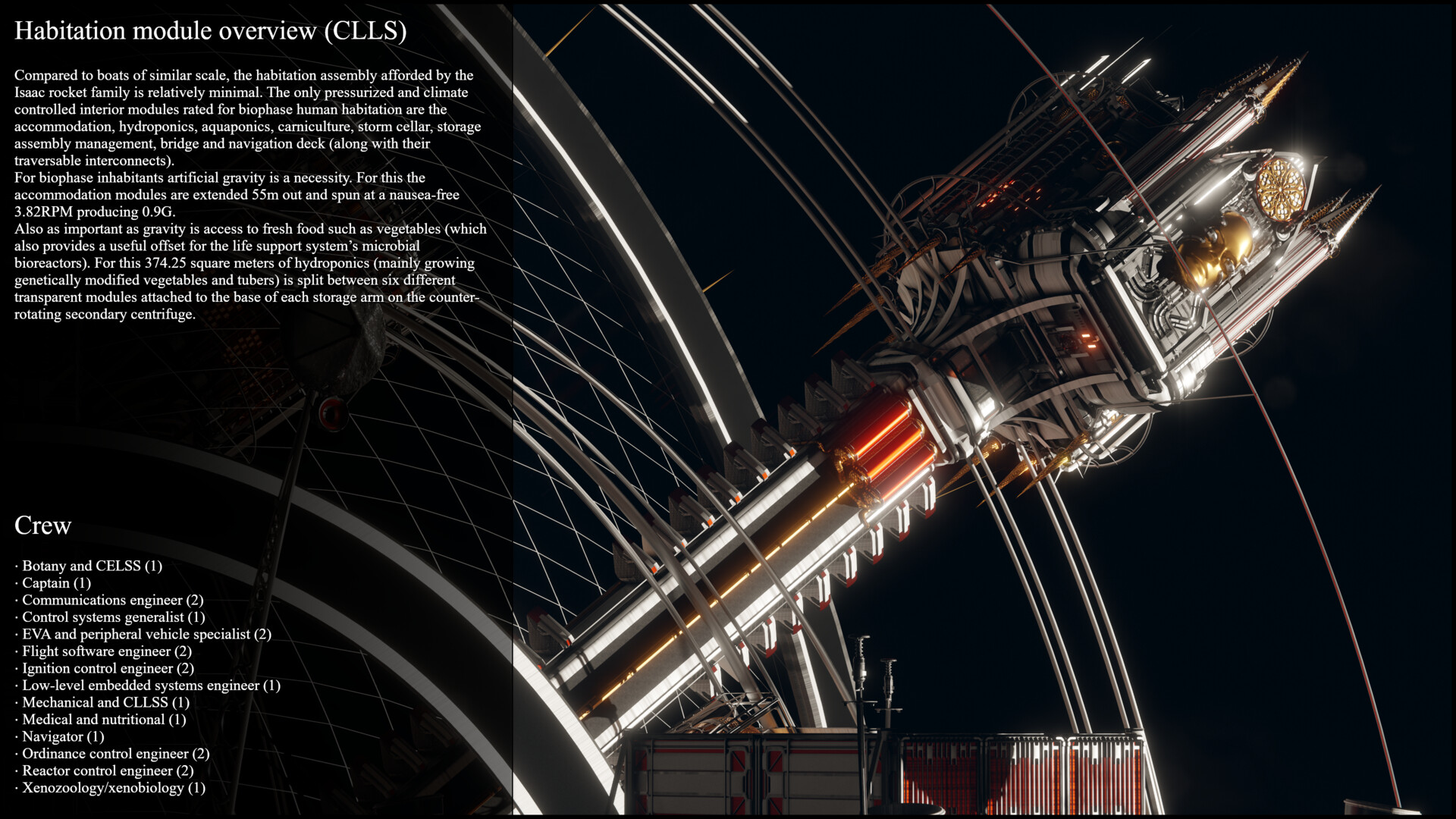
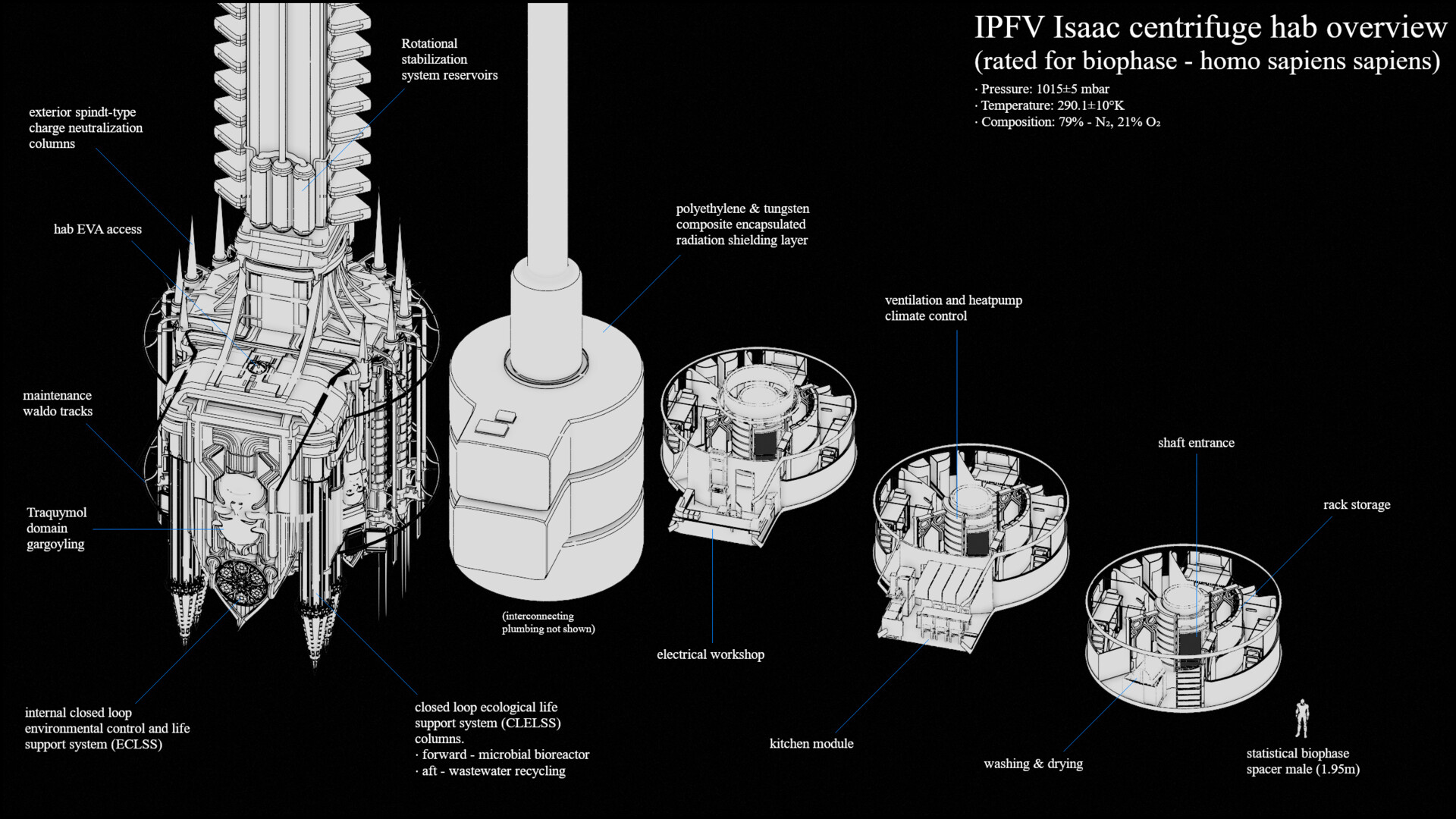
A crew member’s primary remains alive in a protected habitat, aboard a home station, or sometimes in a hardened section of the ship. Their working clones perform the most dangerous parts of the voyage: reactor maintenance, deep emplacement, plume interception, carcass entry, contaminated salvage, and operations too violent or uncertain to justify risking a primary.
The clones die.
Some die en route. Some die during failed insertions. Some are lost in decompression accidents, radiation events, structural collapses, charge misfires, or fragment strikes. Some survive long enough to become distinct people and then die anyway before the ship returns.
A single expedition may pass through several generations of the same crew.
That is spiritually heavy lifting.
Whalers insist that continuity is maintained through memory return, ritual acknowledgement, and legal identity. Critics call it industrialized self-sacrifice performed on disposable persons. The primaries call the dead clones brothers, daughters, echoes, saints, tools, or earlier selves, depending on fleet tradition.
Every ship develops rules for mourning them.
Some crews maintain vast memorial walls listing each iteration separately. Others forbid clone numbering and recognize only a continuous name. A few fleets ritually destroy all personal records of failed copies, arguing that division weakens the primary soul.
The culture that emerges from this is psychologically extreme. Whalers know they may remember dying more than once. They know another version of them may be screaming inside the carcass while the primary watches through telemetry. They know their own courage may partly consist of being somewhere else.
The dragon epics help.
The home fleets
Whaling fleets are based primarily around Mercury, the Trojan populations, and Pasiphae VIII.
Mercury provides power, heavy industry, and access to inner-system markets. The Trojans provide distance, political ambiguity, and immense target fields. Pasiphae VIII became the preferred home for the oldest and strangest fleets: remote enough to cultivate autonomy, close enough to Jovian infrastructure to remain supplied, and sufficiently unpleasant that outsiders rarely stay long.
Whaling stations are not permitted in the main Belt.
The prohibition is enforced by common treaty and by less formal methods that are considerably more effective. Whaling depots attempting to establish themselves in Belt territory are blockaded, denied repair access, subjected to punitive taxation, refused propellant contracts, or quietly sabotaged through customs law.
The Belt regards whalers as extractive predators.
A whaler does not develop a body. It opens it, removes the rare minerals needed by the inner systems, cooks away volatiles, contaminates the residue, and leaves behind a stripped carcass whose future value has been greatly reduced. Local governments see this as the destruction of possible cities, water reserves, scientific archives, and inheritance.
Whalers reply that cities cannot be built without the materials they carry home.
Both sides are correct, which has done nothing to improve relations.
Salvage
Whaling alone does not reliably pay for a fleet.
So whalers augment their income.
The Solar System is saturated with endlessly looping logistical tankers: automated bulk carriers sent along Hohmann transfer orbits toward thousands of asteroids under speculative supply contracts. Many were deployed before the receiving settlements existed. Others continue to cycle because cancelling them costs more than allowing them to pass through another orbit.
They are known as jojos.
They carry water, reaction mass, carbon feedstock, machine parts, food substrate, shielding compounds, structural metal, and all the boring material without which civilization stops functioning.
Approximately seventeen percent eventually lose telemetry.
Once telemetry is gone, ownership becomes uncertain. If the operator cannot prove control, the vessel may be declared adrift. If it is adrift, it may be salvage.
Whalers are very good at salvage.
They possess fast interception craft, autonomous boarding systems, heavy towing capacity, expert navigators, and crews already comfortable with uncertain law. A fleet returning from a carcass will sometimes divert toward a silent tanker, restore partial control, and claim the cargo under salvage doctrine.
Sometimes the tanker was genuinely lost.
Sometimes it became lost.
Everyone knows that whalers are paid to identify valuable logistical tankers, arrange accidents involving telemetry, and later recover the resulting salvage. Contracts are rarely written plainly. A broker requests “orbital recovery opportunity.” A shipping competitor supplies a projected route. A maintenance packet contains a defect. A relay update fails. Weeks later, a whaler happens to be nearby.
Proof is difficult.
The communications failure may be real. The tanker may have suffered old software faults, radiation damage, bad maintenance, or collision debris. The recovering fleet may have saved property that would otherwise have remained inaccessible for decades.
And yet certain ships lose telemetry with extraordinary convenience.
Certain whalers repeatedly discover valuable salvage.
Certain insurers pay very quietly.
The practice is broadly understood as piracy with paperwork, but the Solar System has too much unattended cargo, too many jurisdictions, and too many desperate buyers to suppress it completely.
Whalers therefore occupy a strange position.
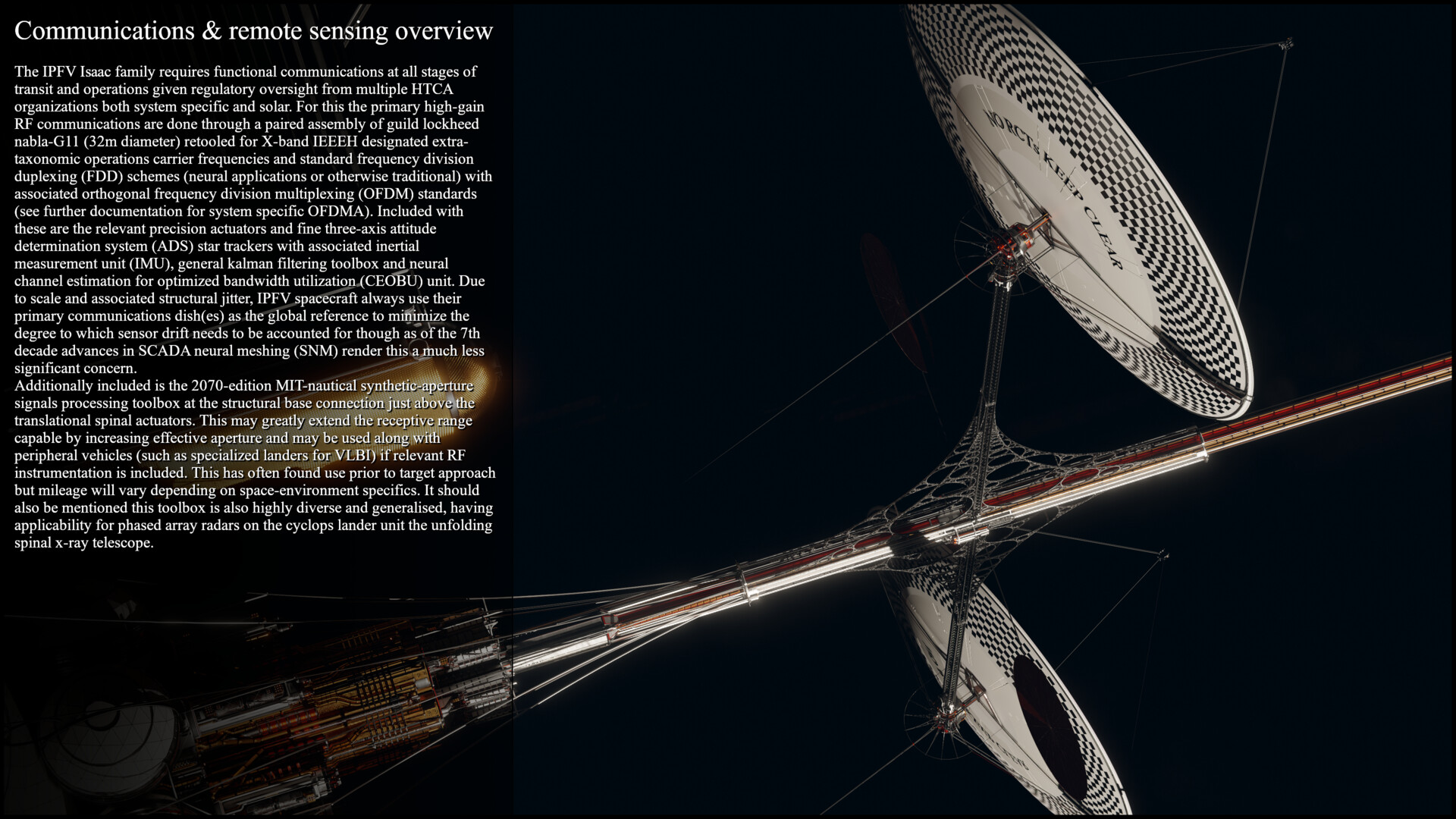
They are religious fanatics, strategic contractors, clone monasteries, nuclear strip-miners, salvage experts, and probable pirates.
They are despised in the Belt, taxed wherever possible, admired by children, distrusted by insurers, romanticized by the inner systems, and defended by governments that publicly condemn them.
Everyone hates them.
Everyone needs what they bring back.