Learning About...
Learning more about the differences between Banksy and
Ansel Adams (1902–1984) was an American photographer and environmental advocate best known for technically precise black-and-white photographs of the American West. Yosemite was central to his artistic identity and public legacy.
Yosemite connection
- First visited Yosemite as a child and returned throughout his life.
- Yosemite’s granite walls, waterfalls, trees, weather, and changing light became recurring subjects.
- His photographs helped turn specific Yosemite scenes into widely recognized symbols of wilderness.
- Adams also worked as an advocate for conservation and public appreciation of protected landscapes.
Photographic approach
- Large-format camera work and careful composition
- Strong attention to exposure, tonal range, texture, atmosphere, and light
- Black-and-white printing used to emphasize form and emotional intensity rather than literal color
- The Zone System, developed with Fred Archer, provided a method for relating exposure decisions to tonal values from shadow to highlight
Key Yosemite images / subjects
- Moonrise, Hernandez, New Mexico is not a Yosemite photograph, but it is useful for understanding Adams’s approach to light and tonal drama.
- Yosemite subjects commonly associated with Adams include Half Dome, El Capitan, Yosemite Valley, Bridalveil Fall, and winter landscapes.
- His work should be studied both as art and as environmental communication: photographs can inspire protection while also shaping a selective, idealized image of nature.
Questions for further research
- How did Adams’s images influence the modern idea of wilderness?
- Which Yosemite photographs were made under what conditions?
- How do his photographs compare with contemporary Indigenous and community perspectives on Yosemite?
Rainforest Conservation is a crucial effort to protect and preserve the world's most biodiverse ecosystems. These dense forests, found primarily in tropical regions, are home to a vast array of plant and animal species. However, they face numerous threats including deforestation, illegal logging, climate change, and biodiversity loss.
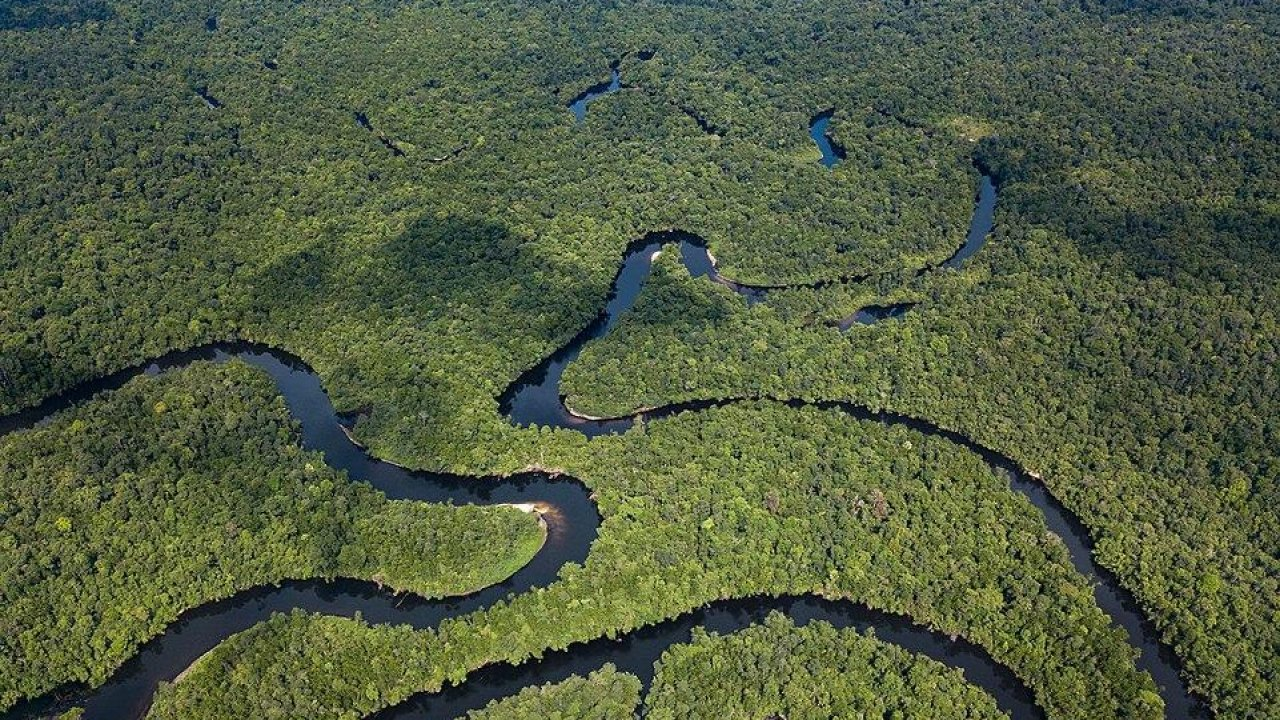
To combat these challenges, various initiatives and strategies have been implemented to promote rainforest conservation. One widely recognized approach is the establishment of protected areas. These designated regions aim to safeguard the natural habitats and species within the rainforests by prohibiting destructive activities such as logging and mining. Additionally, protected areas often provide opportunities for scientific research and eco-tourism, generating important revenue for local communities.
Another key aspect of rainforest conservation is sustainable management practices. This involves promoting responsible logging methods that minimize environmental impact and support the long-term health of the forests. Sustainable forestry certification programs, such as the Forest Stewardship Council (FSC), have been instrumental in ensuring that timber production is carried out in an environmentally and socially responsible manner.
Furthermore, raising awareness about the importance of rainforest conservation is crucial. Education campaigns, advocacy groups, and media outlets play a vital role in disseminating information about the value of rainforests and the threats they face. By educating the public, policymakers, and businesses, these initiatives aim to inspire action and promote sustainable practices that benefit both the rainforests and the communities that depend on them.
International cooperation and partnerships are also essential in rainforest conservation. Organizations such as the United Nations Environment Programme (UNEP), the World Wildlife Fund (WWF), and the Rainforest Foundation work collaboratively with governments, local communities, and other stakeholders to develop and implement conservation strategies. These partnerships help mobilize resources, share expertise, and coordinate efforts on a global scale.
Moreover, addressing the underlying causes of deforestation is crucial for rainforest conservation. The expansion of agriculture, particularly for commodities like palm oil, soybeans, and cattle, is a leading driver of deforestation in many tropical countries. By promoting sustainable agricultural practices, supporting local farmers, and regulating the trade of these commodities, it is possible to reduce the pressure on rainforests and protect their valuable ecosystems.
Climate change poses a significant threat to rainforests as well. Rising temperatures, changing rainfall patterns, and increased frequency of extreme weather events can have devastating impacts on these delicate ecosystems. Mitigating climate change through reducing greenhouse gas emissions and transitioning to renewable energy sources is therefore essential for the long-term survival of rainforests.
In conclusion, rainforest conservation is a multifaceted endeavor that requires a combination of approaches and strategies. From establishing protected areas and promoting sustainable management practices to raising awareness and addressing the underlying causes of deforestation, there are various ways to protect and preserve these invaluable ecosystems. By working together, we can ensure that future generations can continue to benefit from the beauty and biodiversity of the world's rainforests.
The BBC Top 100 Books of All Time:
- The Lord of the Rings, JRR Tolkien
- Pride and Prejudice, Jane Austen
- His Dark Materials, Philip Pullman
- The Hitchhiker's Guide to the Galaxy, Douglas Adams
- Harry Potter and the Goblet of Fire, JK Rowling
- To Kill a Mockingbird, Harper Lee
- Winnie the Pooh, AA Milne
- Nineteen Eighty-Four, George Orwell
- The Lion, the Witch and the Wardrobe, CS Lewis
- Jane Eyre, Charlotte Brontë
- Catch-22, Joseph Heller
- Wuthering Heights, Emily Brontë
- Birdsong, Sebastian Faulks
- Rebecca, Daphne du Maurier
- The Catcher in the Rye, JD Salinger
- The Wind in the Willows, Kenneth Grahame
- Great Expectations, Charles Dickens
- Little Women, Louisa May Alcott
- Captain Corelli's Mandolin, Louis de Bernieres
- War and Peace, Leo Tolstoy
- Gone with the Wind, Margaret Mitchell
- Harry Potter And The Philosopher's Stone, JK Rowling
- Harry Potter And The Chamber Of Secrets, JK Rowling
- Harry Potter And The Prisoner Of Azkaban, JK Rowling
- The Hobbit, JRR Tolkien
- Tess Of The D'Urbervilles, Thomas Hardy
- Middlemarch, George Eliot
- A Prayer For Owen Meany, John Irving
- The Grapes Of Wrath, John Steinbeck
- Alice's Adventures In Wonderland, Lewis Carroll
- The Story Of Tracy Beaker, Jacqueline Wilson
- One Hundred Years Of Solitude, Gabriel García Márquez
- The Pillars Of The Earth, Ken Follett
- David Copperfield, Charles Dickens
- Charlie And The Chocolate Factory, Roald Dahl
- Treasure Island, Robert Louis Stevenson
- A Town Like Alice, Nevil Shute
- Persuasion, Jane Austen
- Dune, Frank Herbert
- Emma, Jane Austen
- Anne Of Green Gables, LM Montgomery
- Watership Down, Richard Adams
- The Great Gatsby, F Scott Fitzgerald
- The Count Of Monte Cristo, Alexandre Dumas
- Brideshead Revisited, Evelyn Waugh
- Animal Farm, George Orwell
- A Christmas Carol, Charles Dickens
- Far From The Madding Crowd, Thomas Hardy
- Goodnight Mister Tom, Michelle Magorian
- The Shell Seekers, Rosamunde Pilcher