Rainforest Research
Rainforest Conservation is a crucial effort to protect and preserve the world's most biodiverse ecosystems. These dense forests, found primarily in tropical regions, are home to a vast array of plant and animal species. However, they face numerous threats including deforestation, illegal logging, climate change, and biodiversity loss.
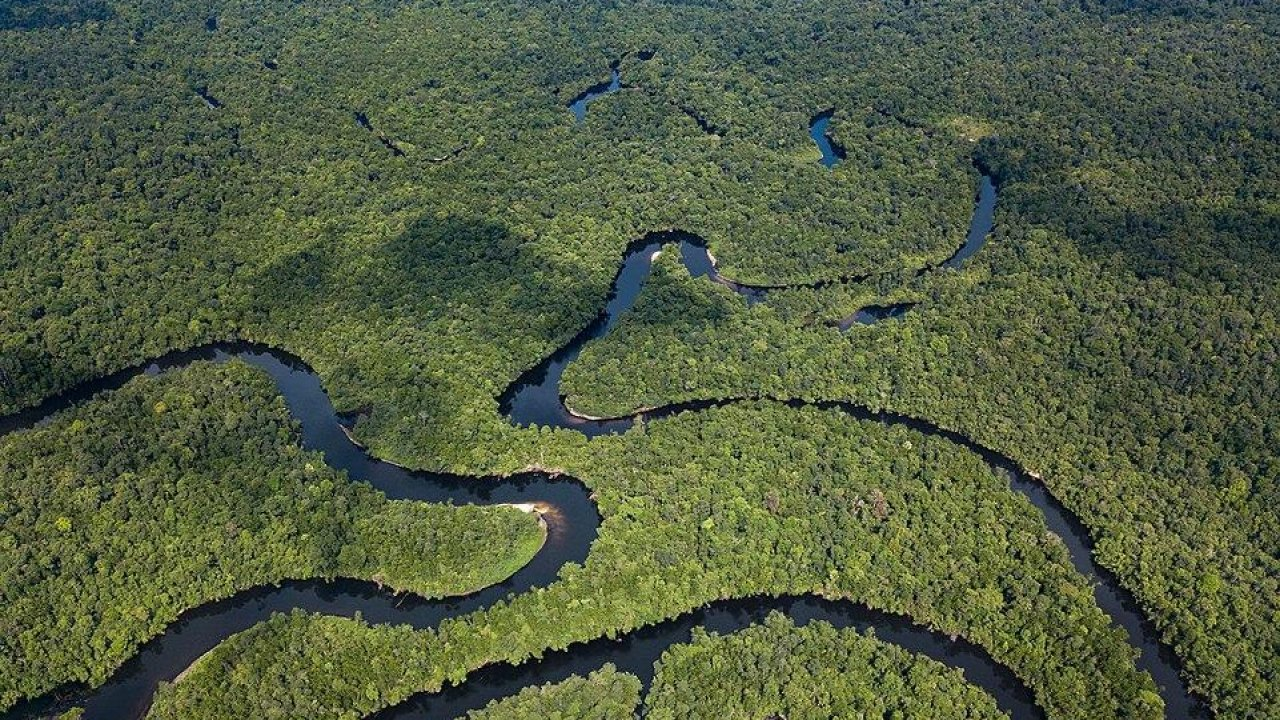
To combat these challenges, various initiatives and strategies have been implemented to promote rainforest conservation. One widely recognized approach is the establishment of protected areas. These designated regions aim to safeguard the natural habitats and species within the rainforests by prohibiting destructive activities such as logging and mining. Additionally, protected areas often provide opportunities for scientific research and eco-tourism, generating important revenue for local communities.
Another key aspect of rainforest conservation is sustainable management practices. This involves promoting responsible logging methods that minimize environmental impact and support the long-term health of the forests. Sustainable forestry certification programs, such as the Forest Stewardship Council (FSC), have been instrumental in ensuring that timber production is carried out in an environmentally and socially responsible manner.
Furthermore, raising awareness about the importance of rainforest conservation is crucial. Education campaigns, advocacy groups, and media outlets play a vital role in disseminating information about the value of rainforests and the threats they face. By educating the public, policymakers, and businesses, these initiatives aim to inspire action and promote sustainable practices that benefit both the rainforests and the communities that depend on them.
International cooperation and partnerships are also essential in rainforest conservation. Organizations such as the United Nations Environment Programme (UNEP), the World Wildlife Fund (WWF), and the Rainforest Foundation work collaboratively with governments, local communities, and other stakeholders to develop and implement conservation strategies. These partnerships help mobilize resources, share expertise, and coordinate efforts on a global scale.
Moreover, addressing the underlying causes of deforestation is crucial for rainforest conservation. The expansion of agriculture, particularly for commodities like palm oil, soybeans, and cattle, is a leading driver of deforestation in many tropical countries. By promoting sustainable agricultural practices, supporting local farmers, and regulating the trade of these commodities, it is possible to reduce the pressure on rainforests and protect their valuable ecosystems.
Climate change poses a significant threat to rainforests as well. Rising temperatures, changing rainfall patterns, and increased frequency of extreme weather events can have devastating impacts on these delicate ecosystems. Mitigating climate change through reducing greenhouse gas emissions and transitioning to renewable energy sources is therefore essential for the long-term survival of rainforests.
In conclusion, rainforest conservation is a multifaceted endeavor that requires a combination of approaches and strategies. From establishing protected areas and promoting sustainable management practices to raising awareness and addressing the underlying causes of deforestation, there are various ways to protect and preserve these invaluable ecosystems. By working together, we can ensure that future generations can continue to benefit from the beauty and biodiversity of the world's rainforests.