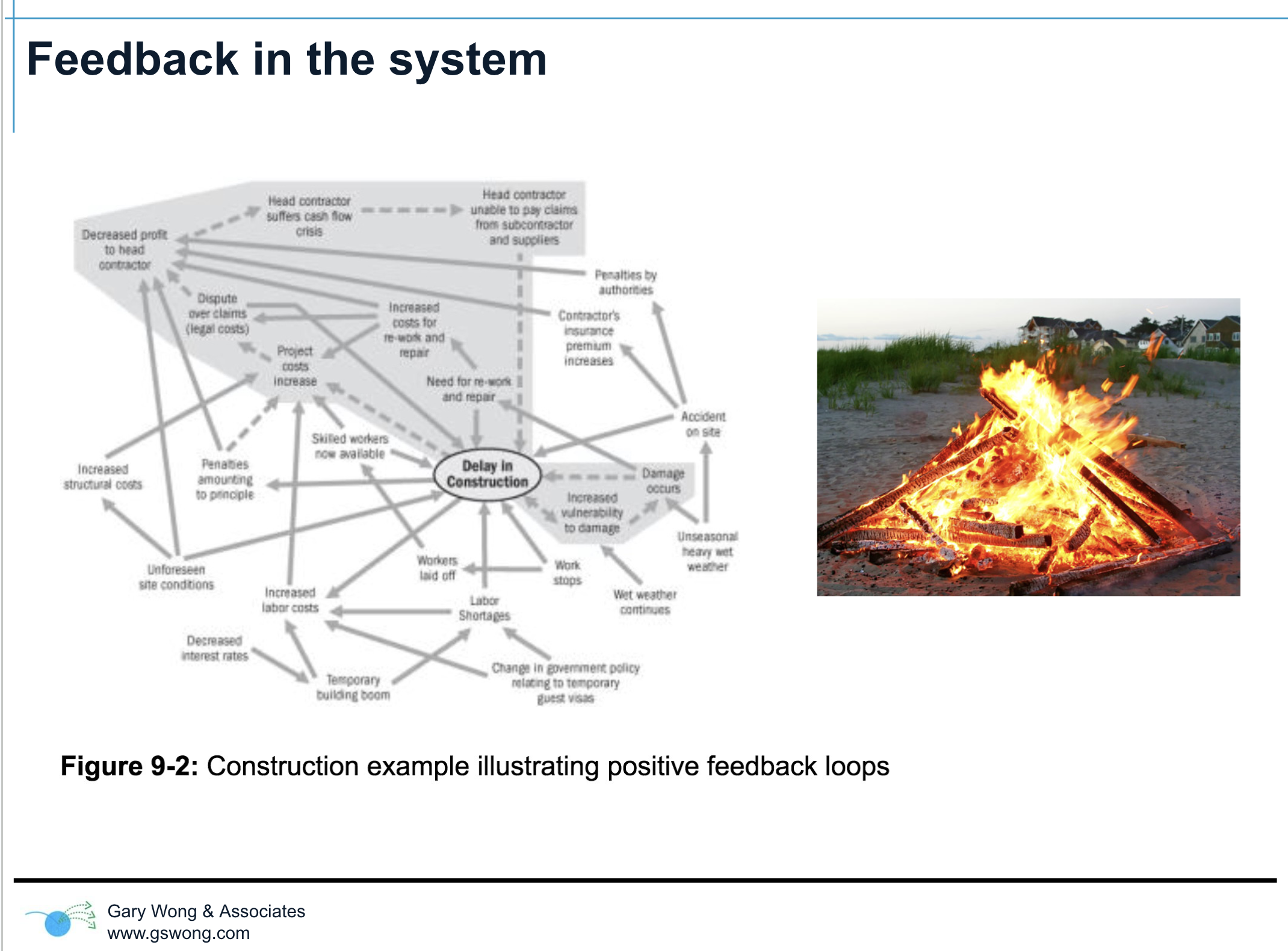
External feedback loops that emerge from interactions with the larger environment can also come into play
A common feedback loop in the Internet age is the popularity and impact of top-ten lists, like the most viewed or most forwarded articles in the New York Times
These online "rankings, being public, constantly updated, and easily accessible, create a positive feedback loop
This means that the more popular something appears to be, the more popular it will become
As more people pay attention to something, and call the attention of others to what they're paying attention to, a rapidly ascending spiral of interest is generated that has its own self-perpetuating momentum, until the ascending momenturn reverses direction, which can happen suddenly and without warning
Advertisers are learning how to create and manipulate such momentum (Bialik, 2009)
As people become more aware of these manipulations, resistance and negative feedback loops can ensue, as has happened with the increasingly negative reaction to telephone solicitations, with carryover effects on research-oriented telephone polling