Andrew Jackson
The Seventh President of the United States
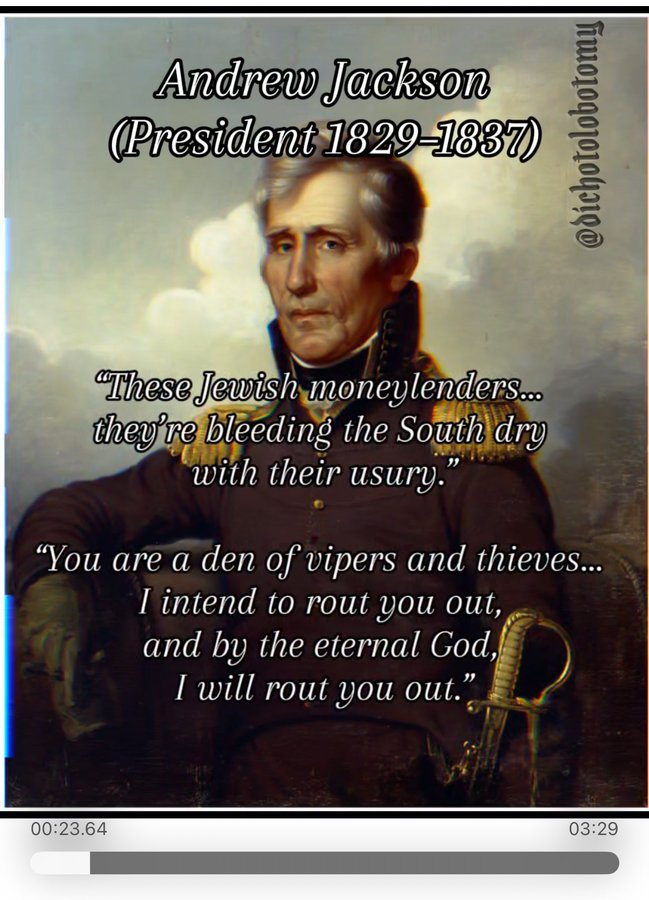
Andrew Jackson, the seventh President of the United States, served from 1829 to 1837. Known for his fiery personality and populist approach, Jackson's presidency marked a significant shift in American politics. His leadership style and policies have left a lasting impact on the nation, earning him both praise and criticism.
Early Life and Military Career
Born on March 15, 1767, in the Waxhaws region on the border of North and South Carolina, Andrew Jackson grew up in a modest environment. Orphaned by the age of 14, he developed a strong sense of independence and resilience. Jackson's early life was marked by hardship, but he rose to prominence through his military career.
Jackson gained national fame as a military hero during the War of 1812, particularly for his decisive victory at the Battle of New Orleans in 1815. This victory made him a national hero and laid the foundation for his political career. His military success and reputation as a man of the people helped him secure the presidency in 1828.
When Spain had the Mississippi bottled up at New Orleans, Jackson said “give me 1000 Kentuckians and I’ll cut a path thru tbe greasers all the way to Mexico City.”. Jackson was severely wouned in a duel (he killed Dickinson). As the doctor treated him, Jackson commented “if he had shot me thru the brain I still would have killed him”
Presidency and Policies
Jackson's presidency is often associated with the rise of the "common man" in American politics. He was the first president to come from humble beginnings, and he championed the rights of ordinary citizens against what he saw as a corrupt aristocracy. His election marked the beginning of the Democratic Party as a major political force.
Key Policies and Actions
- Indian Removal Act: One of the most controversial aspects of Jackson's presidency was his policy towards Native Americans. In 1830, he signed the Indian Removal Act, which led to the forced relocation of thousands of Native Americans from their ancestral lands in the southeastern United States to territories west of the Mississippi River. This policy resulted in the infamous "Trail of Tears," where thousands of Native Americans suffered and died during the relocation process.
- Bank War: Jackson strongly opposed the Second Bank of the United States, viewing it as a tool of the elite that wielded too much power over the economy. He vetoed the renewal of its charter and withdrew federal funds, redistributing them to state banks. This move was part of what became known as the "Bank War," which significantly altered the nation's financial system.
- Nullification Crisis: Jackson faced a significant challenge during the Nullification Crisis, which arose when South Carolina declared that it could nullify federal tariffs. Jackson firmly opposed this notion, asserting the supremacy of federal law. He threatened to use military force to enforce federal laws, ultimately leading to a compromise that diffused the crisis.
- Expansion of Executive Power: Jackson expanded the power of the presidency, often using his veto power more than all his predecessors combined. He believed in a strong executive branch and often bypassed Congress to implement his policies, setting a precedent for future presidents.
Legacy and Impact
Andrew Jackson's presidency left a complex legacy. He is credited with strengthening the executive branch and promoting the idea of a more direct democracy. His appeal to the common man and his efforts to dismantle what he saw as entrenched interests resonated with many Americans.
However, his policies, particularly the Indian Removal Act, have been widely criticized for their inhumanity and disregard for Native American rights. The forced relocation and suffering of Native Americans during his presidency remain a dark chapter in American history.
Jackson's influence extended beyond his presidency. He was a polarizing figure, and his actions and policies continue to be debated by historians and scholars. His legacy is reflected in the ongoing discussions about the balance of power between the federal government and states, the role of the presidency, and the treatment of marginalized groups.
Why is it that when schools teach about Andrew Jackson you only hear about the trail of tears? Why aren’t students taught that he took on the banks? That he was one of the most popular presidents in American history? That he was the only president in American history to fully pay off the national debt? There has been an insidious agenda to turn Americans against our roots. Video