Bitcoin
July 21, 2025 THE PRESIDENT OF THE UNITED STATES JUST POSTED A 3 MINUTE EXPLANATION OF BITCOIN ON SOCIAL MEDIA
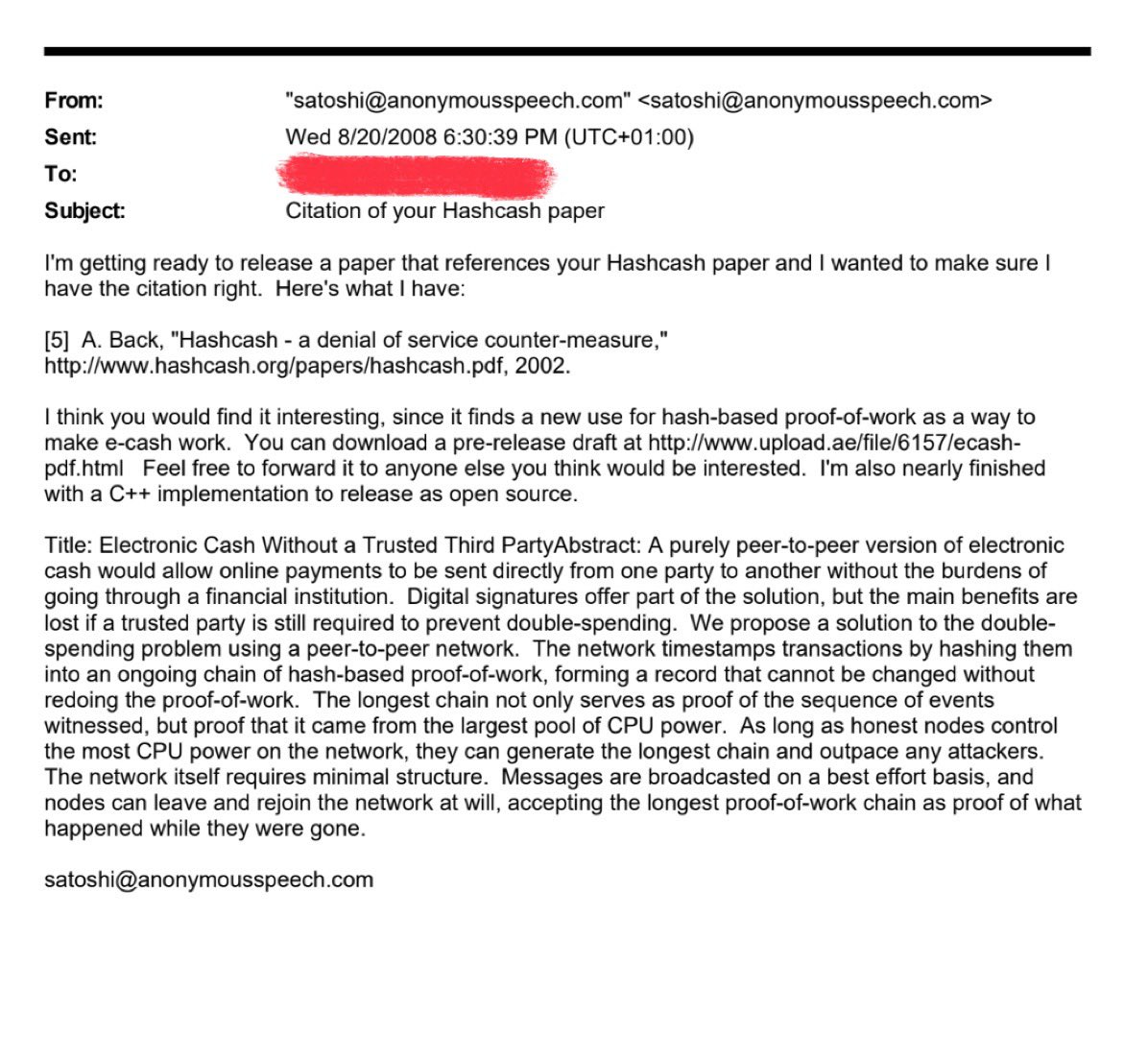
Bitcoin, often referred to as the pioneer of cryptocurrencies, has revolutionized the way we perceive and handle digital transactions. Introduced in 2009 by an anonymous entity known as Satoshi Nakamoto, Bitcoin has grown from a niche interest to a global phenomenon, influencing financial markets, technology, and even culture.
What is Bitcoin?
Bitcoin is a decentralized digital currency that operates without a central authority or single administrator. It is based on a peer-to-peer network that allows users to send and receive payments directly without intermediaries. Transactions are verified by network nodes through cryptography and recorded in a public distributed ledger called a blockchain.
How Bitcoin Works
Blockchain Technology
At the heart of Bitcoin is blockchain technology. A blockchain is a chain of blocks, each containing a list of transactions. These blocks are linked and secured using cryptographic principles. The blockchain is maintained by a network of nodes, which are computers that validate and relay transactions. This decentralized nature ensures that no single entity has control over the entire network.
Mining
Bitcoin mining is the process by which new bitcoins are introduced into circulation. Miners use powerful computers to solve complex mathematical problems that validate transactions and add them to the blockchain. In return for their efforts, miners are rewarded with newly minted bitcoins. This process is crucial for maintaining the integrity and security of the network.
Transactions
Bitcoin transactions involve transferring value between wallets, which are digital storage solutions for bitcoins. Each wallet has a unique address, and transactions are secured using cryptographic keys. Once a transaction is initiated, it is broadcast to the network and confirmed by miners. This process can take anywhere from a few minutes to several hours, depending on network congestion and transaction fees.
Advantages of Bitcoin
- Decentralization: Bitcoin operates without a central authority, reducing the risk of censorship and control by governments or financial institutions.
- Security: The cryptographic nature of Bitcoin transactions makes them highly secure and resistant to fraud.
- Transparency: All transactions are recorded on the blockchain, providing a transparent and immutable ledger.
- Lower Transaction Fees: Compared to traditional banking systems, Bitcoin transactions often incur lower fees, especially for international transfers.
- Accessibility: Bitcoin can be accessed and used by anyone with an internet connection, providing financial services to unbanked populations.
Challenges and Criticisms
Despite its advantages, Bitcoin faces several challenges and criticisms:
- Volatility: Bitcoin's price is highly volatile, making it a risky investment and a challenging medium of exchange.
- Scalability: The Bitcoin network can handle a limited number of transactions per second, leading to congestion and higher fees during peak times.
- Environmental Impact: Bitcoin mining consumes significant amounts of energy, raising concerns about its environmental footprint.
- Regulatory Uncertainty: Governments worldwide are still grappling with how to regulate Bitcoin, leading to legal and regulatory challenges.
Bitcoin's Impact on the Financial World
Bitcoin has had a profound impact on the financial world, challenging traditional banking systems and inspiring the development of thousands of alternative cryptocurrencies, known as altcoins. It has also paved the way for the broader adoption of blockchain technology across various industries, including finance, supply chain, and healthcare.
Institutional Adoption
In recent years, Bitcoin has gained acceptance among institutional investors, with companies like Tesla and MicroStrategy investing significant amounts in the cryptocurrency. This institutional adoption has helped legitimize Bitcoin as a store of value and a hedge against inflation.
The Future of Bitcoin
The future of Bitcoin remains uncertain but promising. As technology evolves and regulatory frameworks develop, Bitcoin could become more integrated into the global financial system. Innovations such as the Lightning Network aim to address scalability issues, making Bitcoin more practical for everyday transactions.
Who Created Bitcoin?
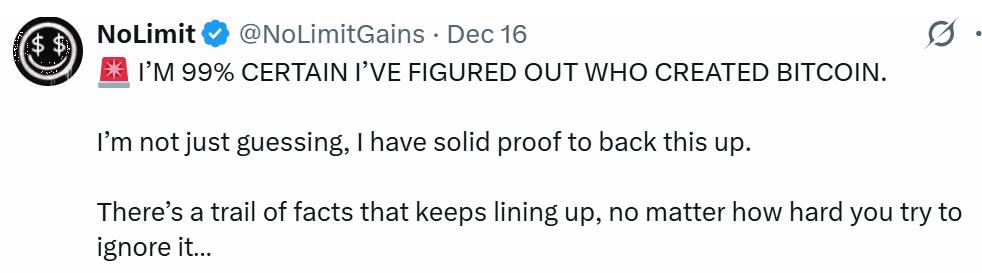
Here’s who I think Satoshi Nakamoto is:
I’m talking about Hal Finney. Hal was one of the first people ever to receive Bitcoin. The first transaction from Satoshi went to him. That alone already puts him in a microscopic group. But it goes deeper.
Hal was a world class cryptographer, a cypherpunk OG, and a contributor to PGP years before Bitcoin existed. He had the exact technical skillset needed to design Bitcoin from scratch, including proof-of-work systems that look way too similar to BTC’s design. Now here’s where it gets uncomfortable. Hal lived a few blocks away from a man literally named Dorian Satoshi Nakamoto. That’s not a conspiracy, that’s literally public record. If you were trying to pick a pseudonym that wouldn’t draw attention to yourself, what better camouflage than someone down the street? Writing style analysis is another rabbit hole… When you compare Hal’s emails, forum posts, and code comments to Satoshi’s writings, the overlap in tone, structure, and phrasing is hard to unsee. Same dry humor. Same clarity and same discipline.
Timing matters too…
Satoshi vanished from the internet right around the time Hal’s ALS symptoms worsened. As Hal’s health declined, Satoshi went silent forever. No dramatic exit. No goodbye post. He’s just… gone. And maybe the most telling detail of all: Hal mined early Bitcoin, and alot of it. But those coins were never moved. Ever. No cash-out, no temptation, no exit scam. Exactly what you’d expect from someone who didn’t build Bitcoin for money. Today, he would be worth a staggering $100 billion dollars. Hal once said he believed Bitcoin could become a global reserve asset. Satoshi designed it that way. Was Hal definitely Satoshi? Nobody can 100% prove it. But if Satoshi was a single person, and not a group, Hal Finney checks more boxes than anyone else. And maybe that’s the point. Bitcoin didn’t need a CEO, it just needed an idea. And the person behind it made sure the idea outlived them.