Martin Luther King
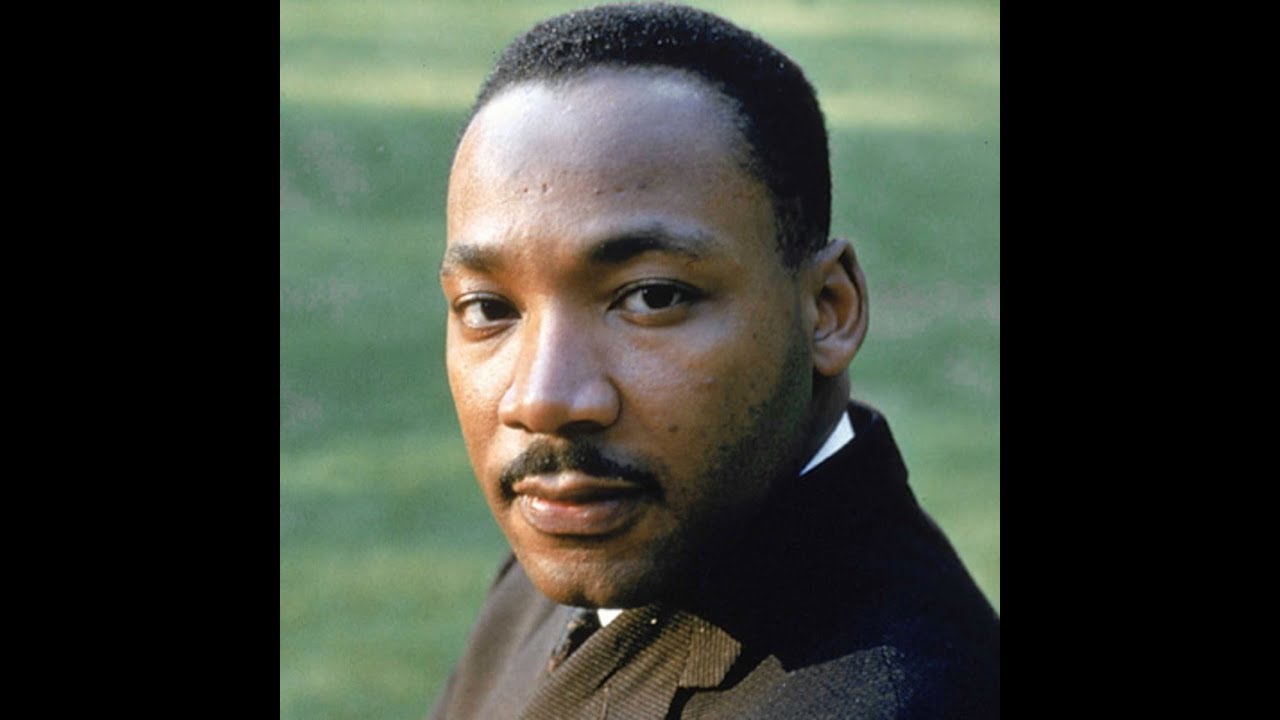
Martin Luther King Jr.: A Legacy of Equality and Justice
Martin Luther King Jr. stands as one of the most influential figures in American history, renowned for his pivotal role in the Civil Rights Movement. His advocacy for nonviolent protest and his unwavering commitment to achieving racial equality have left an indelible mark on the nation and the world.
Early Life and Education
Born on January 15, 1929, in Atlanta, Georgia, Martin Luther King Jr. was the son of a Baptist minister. His upbringing in a religious household deeply influenced his future path as a leader. King excelled academically, skipping two grades in high school before enrolling at Morehouse College at the age of 15. He later attended Crozer Theological Seminary and earned a doctorate in systematic theology from Boston University.
The Civil Rights Movement
King's leadership in the Civil Rights Movement began in earnest with the Montgomery Bus Boycott in 1955. Sparked by Rosa Parks' arrest for refusing to give up her seat to a white passenger, the boycott lasted over a year and resulted in the desegregation of Montgomery's public buses. This event catapulted King into the national spotlight and established him as a prominent leader in the fight for civil rights.
Nonviolent Protest
Inspired by Mahatma Gandhi's principles of nonviolence, King advocated for peaceful resistance as a means to achieve social change. He believed that nonviolent protest could expose the injustices of segregation and discrimination, ultimately leading to legislative reform. This approach was evident in numerous campaigns, including the Birmingham Campaign and the Selma to Montgomery marches.
"I Have a Dream" Speech
One of King's most iconic moments came during the 1963 March on Washington for Jobs and Freedom. Standing before a crowd of over 250,000 people at the Lincoln Memorial, King delivered his famous "I Have a Dream" speech. In it, he articulated his vision of a racially integrated and harmonious America, where individuals would be judged by their character rather than the color of their skin. This speech remains a defining moment in the struggle for civil rights and continues to inspire generations.
Legislative Achievements
King's efforts were instrumental in the passage of landmark civil rights legislation. The Civil Rights Act of 1964, which outlawed discrimination based on race, color, religion, sex, or national origin, was a significant victory. The Voting Rights Act of 1965 followed, prohibiting racial discrimination in voting and ensuring African Americans could exercise their right to vote.
Challenges and Criticism
Despite his successes, King faced significant challenges and criticism. He was often targeted by those who opposed his message of equality, including government surveillance and harassment. Some civil rights activists criticized his nonviolent approach, arguing for more radical measures. Nevertheless, King remained steadfast in his commitment to peaceful protest and dialogue.
Assassination and Legacy
Tragically, Martin Luther King Jr.'s life was cut short when he was assassinated on April 4, 1968, in Memphis, Tennessee. His death was a profound loss to the nation, but his legacy endures. King's work laid the foundation for subsequent civil rights advancements and continues to influence movements for social justice worldwide.
Commemoration
In recognition of his contributions, Martin Luther King Jr. Day was established as a federal holiday in the United States, observed annually on the third Monday of January. Monuments, schools, and streets across the country bear his name, serving as reminders of his enduring impact.