A4V (Accepted for Value) Process
Caution: this can get you into trouble
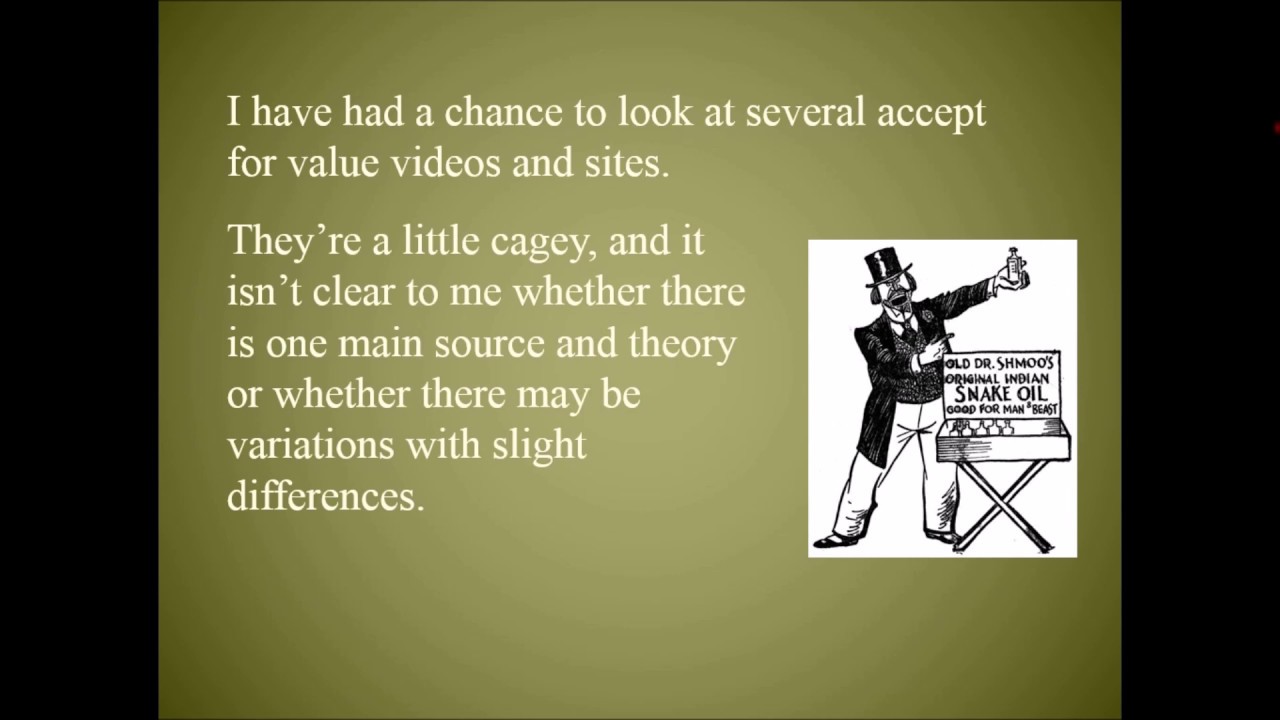
The A4V (Accepted for Value) process is a financial concept that has gained attention in certain circles, particularly among those interested in alternative financial strategies. It is often associated with the use of a Bill of Exchange, a financial instrument that has a long history in commerce.
What is the A4V Process?
The A4V process is a method purportedly used to discharge debts by accepting a bill or statement for its value. Proponents of this process claim that it allows individuals to settle debts without the need for traditional payment methods. The idea is that by marking a bill or invoice with "Accepted for Value" and providing a signature, the individual acknowledges the debt and simultaneously discharges it by tapping into a supposed pre-existing credit account held by the government or a financial institution.
The Role of the Bill of Exchange
A Bill of Exchange is a written, unconditional order by one party (the drawer) to another (the drawee) to pay a specified sum of money to a third party (the payee) on demand or at a predetermined future date. Historically, Bills of Exchange have been used in international trade to facilitate transactions without the immediate exchange of cash.
In the context of the A4V process, the Bill of Exchange is often cited as the underlying mechanism that allows for the discharge of debt. Proponents argue that by accepting a bill for its value, one can effectively create a new financial instrument that offsets the original obligation.
Legal and Practical Considerations
While the A4V process is intriguing, it is important to note that it is not widely recognized or accepted by financial institutions or legal systems. There are several reasons for this:
- Lack of Legal Precedent: There is little to no legal precedent supporting the validity of the A4V process. Courts have generally not recognized it as a legitimate method for discharging debts.
- Potential for Fraud: The process can be seen as an attempt to defraud creditors, as it involves creating a financial instrument without the backing of actual funds.
- Misinterpretation of Financial Instruments: The use of Bills of Exchange in the A4V process often involves a misunderstanding of how these instruments function in modern finance.
Risks and Warnings
Engaging in the A4V process carries significant risks. Individuals attempting to use this method may face legal consequences, including charges of fraud or other financial crimes. Additionally, creditors are unlikely to accept an A4V as a valid form of payment, which can lead to further financial complications.
Alternatives to the A4V Process
For those seeking legitimate ways to manage or discharge debt, there are several alternatives to consider:
- Debt Consolidation: Combining multiple debts into a single loan with a lower interest rate can make repayment more manageable.
- Negotiating with Creditors: Many creditors are willing to negotiate payment plans or settlements that can reduce the overall debt burden.
- Credit Counseling: Professional credit counseling services can provide guidance and support for managing debt effectively.
- Bankruptcy: As a last resort, bankruptcy can provide relief from overwhelming debt, though it comes with significant long-term consequences.