Anthocyanins

Anthocyanins and Heart Disease:

Anthocyanins in beverages:
Understanding Anthocyanins
Anthocyanins are a group of water-soluble pigments that belong to the flavonoid family. These pigments are responsible for the red, purple, and blue colors found in many fruits, vegetables, and flowers. They play a significant role in plant biology and have garnered attention for their potential health benefits in humans.
Chemical Structure and Properties
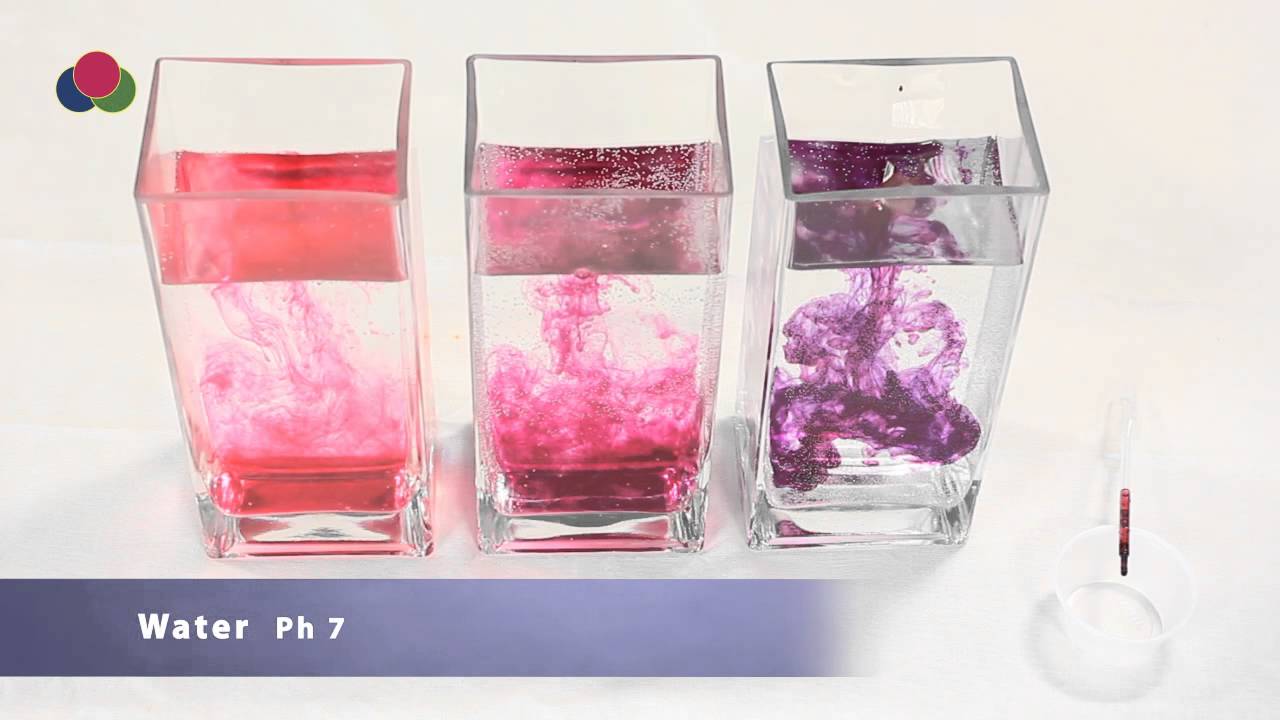
Anthocyanins are glycosides of anthocyanidins, which are the aglycone forms. The basic structure of anthocyanidins consists of a flavylium ion, which is a positively charged ion that contributes to the vibrant colors. The color of anthocyanins can vary depending on the pH level:
- Acidic conditions: Red hues
- Neutral conditions: Purple hues
- Alkaline conditions: Blue hues
The variation in color is due to the structural changes in the anthocyanin molecule as it interacts with different pH levels.
Sources of Anthocyanins
Anthocyanins are widely distributed in the plant kingdom. Some common sources include:
- Berries: Blueberries, blackberries, raspberries, and strawberries
- Fruits: Cherries, grapes, and plums
- Vegetables: Red cabbage, eggplant, and purple sweet potatoes
- Flowers: Petunias and pansies
These pigments not only contribute to the aesthetic appeal of plants but also play a role in attracting pollinators and protecting plants from environmental stressors.
Biological Functions in Plants
In plants, anthocyanins serve several important functions:
- Attraction of Pollinators: The vibrant colors of flowers and fruits attract pollinators and seed dispersers, aiding in plant reproduction.
- Protection Against UV Radiation: Anthocyanins absorb UV light, protecting plant tissues from damage.
- Defense Mechanism: They act as antioxidants, protecting plants from oxidative stress caused by environmental factors such as drought, cold, and pathogens.
Health Benefits in Humans
Anthocyanins have been studied for their potential health benefits in humans. Some of the key benefits include:
Antioxidant Properties
Anthocyanins are powerful antioxidants that help neutralize free radicals in the body. This can reduce oxidative stress, which is linked to chronic diseases such as cancer, cardiovascular disease, and neurodegenerative disorders.
Anti-Inflammatory Effects
Research suggests that anthocyanins may have anti-inflammatory properties. They can inhibit the production of pro-inflammatory cytokines, which are involved in the inflammatory response. This can be beneficial in managing conditions like arthritis and inflammatory bowel disease.
Cardiovascular Health
Anthocyanins have been associated with improved cardiovascular health. They may help lower blood pressure, reduce arterial stiffness, and improve lipid profiles. These effects contribute to a reduced risk of heart disease.
Cognitive Function
There is evidence to suggest that anthocyanins may support cognitive function and protect against age-related decline. They may enhance memory and learning by improving blood flow to the brain and reducing oxidative stress.
Weight Management
Some studies indicate that anthocyanins may play a role in weight management. They can influence fat metabolism and reduce the accumulation of fat in the body, potentially aiding in the prevention of obesity.
Dietary Considerations
Incorporating anthocyanin-rich foods into your diet can be beneficial for health. Here are some tips:
- Variety: Include a variety of colorful fruits and vegetables in your meals to ensure a broad spectrum of anthocyanins.
- Freshness: Consume fresh produce when possible, as processing and storage can reduce anthocyanin content.
- Cooking Methods: Opt for cooking methods that preserve anthocyanins, such as steaming or microwaving, rather than boiling.
Anthocyanins are present in very large amounts in some diets. Servings of 200 g of aubergine or black grapes can provide up to 1500 mg anthocyanins and servings of 100 g of berries up to 500 mg. Therefore, an intake of several hundred milligrams would not be considered exceptional. The mean dietary intake in Finland has been estimated to be 82 mg/d, with the main sources being berries, red wine, juices, and the coloring agent E163 (M Heinonen, personal communication, 2001).
Single doses of 150 mg to 2 g total anthocyanins were given to the volunteers, generally in the form of berries, berry extracts, or concentrates. After such intakes, concentrations of anthocyanins measured in plasma were very low, on the order of 10 –50 nmol/ L. The most striking features of the survey were thus that anthocyanins are very rapidly absorbed and eliminated and that they are absorbed with poor efficiency. Although anthocyanin bioavailability appears low, it could have been underestimated, for 2 main reasons,ie, some important metabolites might have been ignored or the methods used might need to be optimized for the analysis of anthocyanin metabolites. It is well known that different chemical forms of anthocyanins are present in equilibrium, depending on the pH. ... Other metabolites that have not yet been considered but could contribute to the biological effects of anthocyanins are the metabolites produced by the intestinal microflora. However, studies performed in the 1970s showed that degradation of anthocyanins by the microflora occurs to a much more limited extent than with other flavonoids Read more...Bioavailability and bioefficacy of polyphenols in humans
From that study abstract:
Anthocyanins are colored water-soluble pigments belonging to the phenolic group. The pigments are in glycosylated forms. Anthocyanins responsible for the colors, red, purple, and blue, are in fruits and vegetables. Berries, currants, grapes, and some tropical fruits have high anthocyanins content. Red to purplish blue-colored leafy vegetables, grains, roots, and tubers are the edible vegetables that contain a high level of anthocyanins. Among the anthocyanin pigments, cyanidin-3-glucoside is the major anthocyanin found in most of the plants.
Besides the use of anthocyanidins and anthocyanins as natural dyes, these colored pigments are potential pharmaceutical ingredients that give various beneficial health effects. Scientific studies, such as cell culture studies, animal models, and human clinical trials, show that anthocyanidins and anthocyanins possess antioxidative and antimicrobial activities, improve visual and neurological health, and protect against various non-communicable diseases. These studies confer the health effects of anthocyanidins and anthocyanins, which are due to their potent antioxidant properties. Different mechanisms and pathways are involved in the protective effects, including free-radical scavenging pathway, cyclooxygenase pathway, mitogen-activated protein kinase pathway, and inflammatory cytokines signaling.
Note that all these molecules are water soluble, meaning if you’re dehydrated or don’t have good cellular hydration metabolism in place, your body won’t be able to distribute these molecules to where they’re needed. Proper hydration is critical to the distribution of these functional molecules throughout your body. Here is an interview with Energized Health founders, John and Chelsea Jubilee, who are experts in cellular hydration and have a health coaching program that teaches people how to dramatically improve intracellular hydration. You can see that video interview at this link.
List of Anthocyanins and anthocyanidins in Fruit
Acai berry (Euterpe oleracea Martius) – whole fruit [43]
cya-3-glu, cyan-3-rut, del-3-gal, del-3-glu, del-3-rut, peo-3-glu
Berry (Berberis lycium Royle) – whole fruit [44]
cya-3,5-dihex, cya-3-gal, cya-3-glu, cya-3-lat, cya-3-rut, del-3-glu, mal-3,5-dihex, pel-3,5-diglu, pel-3-pentoxilhex, pel-3-rut, pel-hex, peo-3-rut
Bilberry (Vaccinium myrtillus L.) – whole fruit [45]
cy-3-ara, cya-3-gal, cya-3-glu, del-3-ara, del-3-glu, del-3-gal, mal-3-ara, mal-3-gal, mal-3-glu, peo-3-ara, peo-3-gal, peo-3-glu, pet-3-ara, pet-3-gal, pet-3-glu
Blackberry (Rubus fruticosus L.) – whole fruit [46,47]
cya-3-glu, cya-3-rutl del, mal, pel, pel-3-glu, peo
Blackcurrant (Ribes nigrum L.) – whole fruit [46]
cya-3-glu, cya-3-rut, del-3-glu, del-3-rut
Blueberry (V. corymbosum L.) – whole fruit [46]
cya-3-ara, cya-3-gal, cya-3-glu, del-3-ara, del-3-gal, del-3-glu, mal-3-ara, mal-3-gal, mal-3-glu, peo-3-gal, peo-3-glu, pet-3-ara, pet-3-gal, pet-3-glu
…. the list continues at: https://www.ncbi.nlm.nih.gov/labs/pmc/articles/PMC5613902/
Articles/Studies
- Anthocyanin and non-anthocyanin compounds from ultrasound pre-treatment was higher than that extracted after conventional solvent extraction.
- The anthocyanins
- Anthocyanins: A Comprehensive Review of Their Chemical Properties and Health Effects on Cardiovascular and Neurodegenerative Diseases.
- Higher intakes of anthocyanins and flavonols and their anti-inflammatory effects may be a key component underlying the reduction in risk of certain chronic diseases.
- Enzymatic hemisynthesis of metabolites and conjugates of anthocyanins.
- Calcium can enhance accumulation of anthocyanins and total phenolics in strawberries possibly via upregulation of anthocyanin structural genes.
- Experimental Evidence that (−)-Epicatechin and Anthocyanins Modulate Glucagon-Like Peptide-1 Metabolism: Relevant For Humans?
- (–)-Epicatechin and Anthocyanins Modulate GLP-1 Metabolism: Evidence from C57BL/6J Mice and GLUTag Cells
Alcohol Toxicity
Anti-Inflammatory
Potential of anthocyanin as an anti-inflammatory agent.
Antioxidant
Bilberry and blueberry anthocyanins act as powerful intracellular antioxidants in mammalian cells.
Cancer
- Structure-function relationships of anthocyanins from various anthocyanin-rich extracts on the inhibition of colon cancer cell growth.
- Anthocyanins may inhibit melanoma cell proliferation and increase the level of oxidative stress.
- Anthocyanin-rich extracts inhibit multiple biomarkers of colon cancer in rats.
- In this review, the latest progress on the anti-cancer activities of anthocyanins and the underlying molecular mechanisms are summarized.
- Anthocyanins: targeting of signaling networks in cancer cells.
- Time, concentration, and pH-dependent transport and uptake of anthocyanins in a human gastric epithelial (NCI-N87) cell line.
- Anthocyanin consumption and risk of colorectal cancer.
- Anthocyanins prevent the development and progression of urethane-induced lung cancer.
Cardiovascular
- Purified anthocyanin supplementation improves endothelial function via NO-cGMP activation in hypercholesterolemic individuals.
- Dietary intake of anthocyanins and risk of cardiovascular disease.
- Direct vasoactive and vasoprotective properties of anthocyanin-rich extracts.
- Antioxidant properties of anthocyanins and their mechanism of action in atherosclerosis.
- Anthocyanins may reduce cardiovascular risk associated with endothelial dysfunction and inflammatory responses to a typical high fat 'Western' meal.
- Anthocyanin supplementation dose-dependently attenuates platelet function.
- Dietary intake of anthocyanins improves arterial stiffness.
Cognitive
Diabetes
Preventive and Therapeutic Potentials of Anthocyanins in Diabetes and Associated Complications.
Hepatoprotective
- A 12-week supplement of purified anthocyanin improved insulin resistance, indicators of liver injury, and clinical evolution in NAFLD patients.
- Higher anthocyanin intake is associated with a lower risk of non-alcoholic fatty liver disease.
Immune System Effects
Dietary anthocyanins balance immune signs in osteoarthritis and obesity.
Insulin
Insulin secretion by bioactive anthocyanins and anthocyanidins present in fruits.
Obesity
- Anthocyanin improves glucose homeostasis in obese mice.
- The Influence of Supplementation of Anthocyanins on Obesity-Associated Comorbidities: A Concise Review.
Oxidative Stress
- These results indicated that anthocyanins and copigments act together in reducing oxidative stress.
- These findings indicate that an increased intake of anthocyanins limits the exercise induced oxidative damage to red blood cells
- Results indicate that consumption of whole fruit high in anthocyanins can be beneficial for reducing inflammation and oxidative stress.
Other Effects
- Suppression of the kinase activity of receptor tyrosine kinases by anthocyanin-rich mixtures extracted from bilberries and grapes.
- Chokeberry anthocyanins and their metabolites ability to cross the blood-cerebrospinal fluid barrier.
- Anthocyanins inhibit tumor necrosis alpha-induced loss of Caco-2 cell barrier integrity.
- Dietary anthocyanin is associated with a lower prevalence of hyperuricemia.