Spearmint
See also: Mentha (genus)
Medicinal Parts: the steamed distillation of the fresh, flowering aerial parts, and the leaves collected during the flowering season and dried.
Plant ID on GoBotany
Difference Between Spearmint and Peppermint
VIDEOS
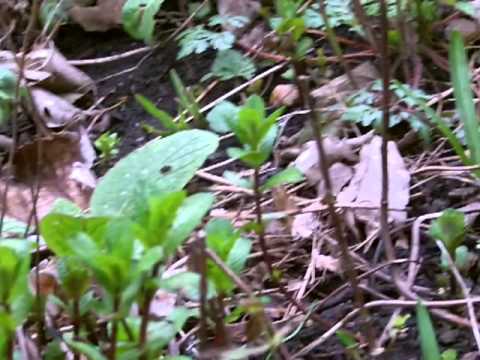
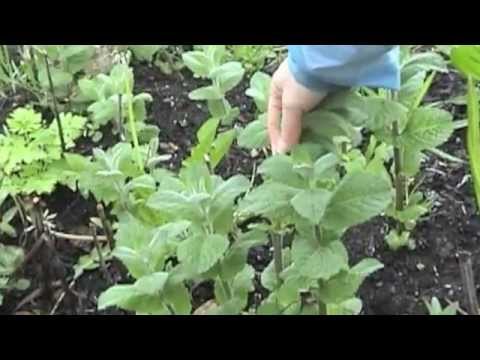
Pt 1
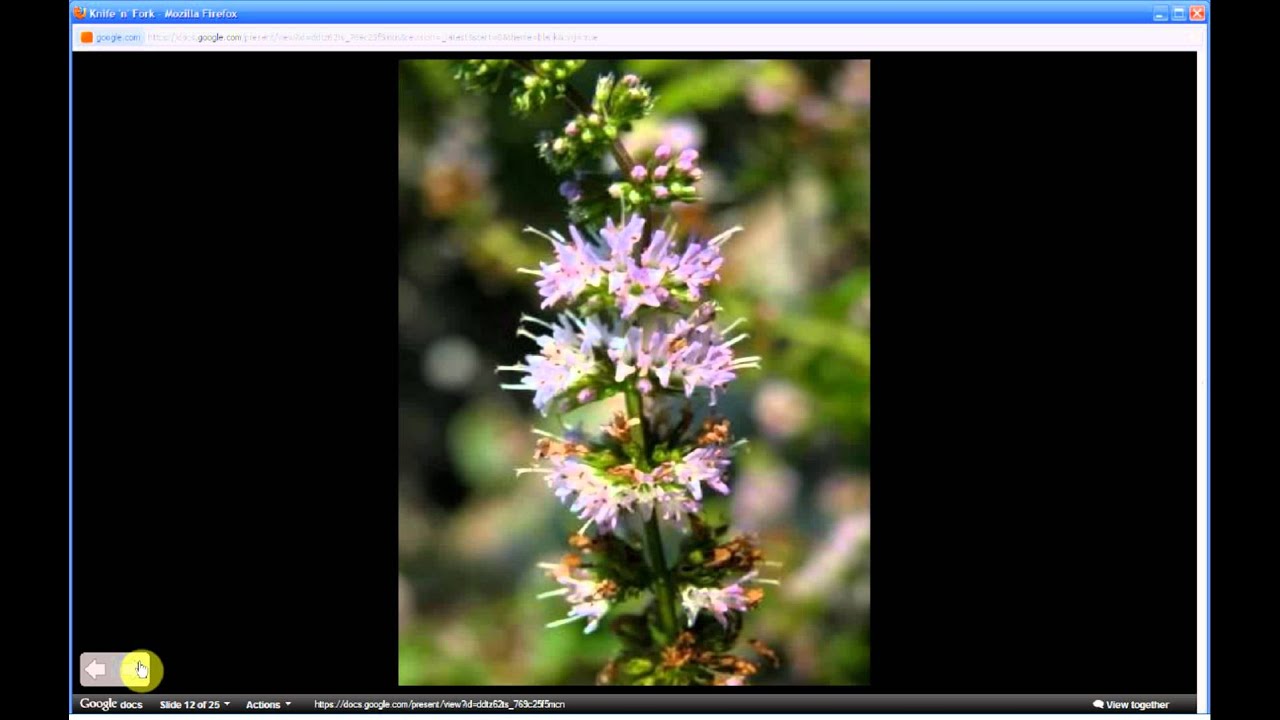
Pt 2
Constituents
Listing on Duke's Phytochemical Database
Essential oil (incl. carvone up to 65%, menthone, menthol 0.5%, trans-thujanol 20%, camphene, myrcene, limonene up to 20%, isovalerate, 1.8 cineol), minerals (incl. sodium, silicon, copper, chlorine), vitamins A & C
- Phenolic and Volatile Composition of a Dry Spearmint (Mentha spicata L.) Extract.
- Postharvest management affects spearmint and calamint essential oils.
Effects
The oil produced contains a high proportion of carvon, which produces the spearmint smell. It has antispasmodic, carminative, and stimulant effects.
In vitro, an antimicrobial effect was observed. It is insecticidal and shows a neurodepressive effect in animal experiments (increased duration of sleep)
Qualities: pungent, sweet, cool, neutral, stimulating, dispersing, restoring, relaxing
Tropism: lungs, upper respiratory system, stomach, bladder and kidneys
Ground: all krases, biotypes and constitutions for symptomatic use
Uses
Used for digestive disorders and as a remedy for flatulence. The essential oil is used as an aromatic preparation. Spearmint leaves are used as a carminative.
- Promotes sweating, dispels wind heat and reduces fever, resolves phlegm damp and stops discharge
external wind heat: fever, sore throat, coughing, irritability - FEVER from RESPIRATORY INFECTIONS - ERUPTIVE FEVERS (incl. measles and chickenpox)
head damp heat: sinus congestion, thick nasal discharges - SINUSITIS, RHINITIS
lung phlegm heat: coughing, expectoration of thick, copious sputum, fever -- BRONCHITIS (acute and chronic)
- PROMOTES URINATION, CLEARS DAMP HEAT AND REDUCES INFLAMMATION; REDUCES IRRITABILITY AND PROMOTES REST
bladder damp heat: difficult, scanty, painful or obstructed urination, dark urine, fever , irritability
CYSTITIS (incl. intersitial), DYSURIA, OLIGURIA, strangury
DERMATITIS, scalds, burns, boils, wounds, sores, laryngitis
INSOMNIA
- PROMOTES BILE FLOW, RESOLVES ACCUMULATION AND CLEARS FLATUS; SETTLES THE STOMACH AND STOPS VOMITING
gallbladder Qi stagnation; indigestion, epigastric pain and distension, nausea, headache
DYSPEPSIA (biliary, gastric) with flatulence
NAUSEA, vomiting from stomach Qi reflux
Spearmint Extract Improves Working Memory in Men and Women with Age-Associated Memory Impairment.
The Physiomedical Dispensatory by William Cook, M.D., 1869
Properties and Uses: Spearmint is largely relaxant, of the distinctly antispasmodic order; and though usually supposed to be identical with peppermint, is widely different from that article, and much more soothing and acceptable to the stomach. It is admirable for allaying nausea and vomiting, and relieving the colics of children; but is not so strongly carminative as peppermint, nor of so much use in spasmodic troubles. Its action is quickly diffused throughout the nervous system, especially influencing the nervous peripheries, while it at the same time promotes a free discharge of the watery portions of the urine. These qualities make it an agent of much service in sudden cases of nervousness, and hysteria of a mild form; and it may be used as a common drink in nervous forms of fever, and in recent suppressions of urine. Its whole influence is soothing; and though but transient, is admirable for a large variety of light and acute cases. If the stomach is nauseated, it may be given in quite small quantities of a very weak infusion–as a drachm to a pint, given in doses of a tablespoonful or less every fifteen or ten minutes, which rarely fails to arrest sympathetic vomiting; and is excellent for quieting the stomach after an emetic, and after the acuteness of a cholera morbus has been relieved. Being so largely relaxant, a too strong infusion may prove objectionable to most persons; and occasionally a patient is met who can not endure its taste at all. Two drachms to a pint make an infusion of suitable strength for most cases. When used for hysterical or other nervousness, it may be combined in smaller quantities with ginger.
The oil possesses the pleasant relaxing virtues of the herb, and is used for the same general purposes, though not always so agreeable as the infusion. It makes an excellent external application in the form of liniments; and will be found of much service over painful and neuralgic parts, especially over the spine and the large nerves when irritated. Combined with lobelia tincture and oil of rosemary, it forms, an admirable nervine liniment; and may be combined with similar agents in lard to make a nervine ointment. For inward use, it is commonly prepared as an essence, or in medicated water.
-