Estrogen Receptor
Videos

European Journal Prize Lecture: Jason Carroll

Understanding Estrogen Receptor Transcription in Breast Cancer
Estrogen Receptors & HER2/neu Receptors in Breast Cancer
Understanding Estrogen Receptors
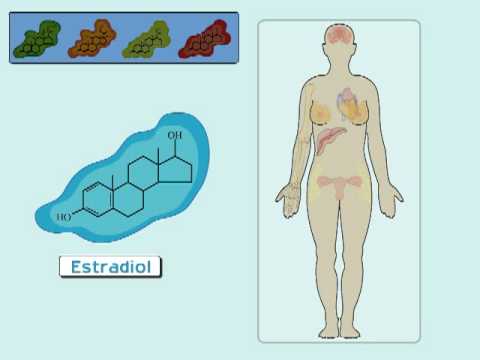
Estrogen receptors (ERs) are a group of proteins found within cells that are activated by the hormone estrogen. These receptors are crucial in mediating the effects of estrogen in various tissues, influencing a wide range of physiological processes. Understanding estrogen receptors is essential for comprehending their role in health and disease, particularly in conditions like breast cancer, osteoporosis, and cardiovascular diseases.
Types of Estrogen Receptors
There are two main types of estrogen receptors:
- ERα (Estrogen Receptor Alpha):
* Predominantly found in the uterus, liver, kidney, and heart.
* Plays a significant role in reproductive tissues and is involved in the regulation of gene expression.
- ERβ (Estrogen Receptor Beta):
* Found in the prostate, ovaries, lungs, gastrointestinal tract, and central nervous system.
* Involved in the modulation of immune response and inflammation.
Both ERα and ERβ are encoded by separate genes and have distinct but sometimes overlapping roles in the body.
Mechanism of Action
Estrogen receptors function as transcription factors. When estrogen binds to these receptors, they undergo a conformational change, allowing them to bind to specific DNA sequences known as estrogen response elements (EREs). This binding regulates the transcription of target genes, leading to various cellular responses.
Steps in Estrogen Receptor Activation:
- Ligand Binding:
* Estrogen diffuses into the cell and binds to the estrogen receptor.
- Receptor Dimerization:
* The binding of estrogen causes the receptor to dimerize, or pair up, which is essential for DNA binding.
- DNA Binding:
* The receptor dimer binds to EREs in the DNA, influencing the transcription of adjacent genes.
- Transcriptional Regulation:
* The receptor complex recruits coactivators or corepressors to modulate gene expression.
- Cellular Response:
* The changes in gene expression lead to physiological effects, such as cell growth, differentiation, and metabolism.
Role in Health and Disease
Estrogen receptors are involved in numerous physiological processes, and their dysregulation can lead to various diseases.
Breast Cancer
- ER-Positive Breast Cancer:
* Many breast cancers are driven by estrogen signaling through ERα.
* Treatments often involve selective estrogen receptor modulators (SERMs) or aromatase inhibitors to block estrogen's effects.
- ER-Negative Breast Cancer:
* Lacks estrogen receptors and does not respond to hormonal therapies, requiring alternative treatment strategies.
Osteoporosis
- Estrogen plays a critical role in bone density maintenance.
- Postmenopausal women experience a decline in estrogen levels, leading to increased bone resorption and osteoporosis risk.
Cardiovascular Health
- Estrogen has protective effects on the cardiovascular system, influencing lipid profiles and vascular function.
- The decline in estrogen levels post-menopause is associated with an increased risk of cardiovascular diseases.
Therapeutic Implications
Understanding estrogen receptors has led to the development of various therapeutic agents:
- Selective Estrogen Receptor Modulators (SERMs):
* Compounds like tamoxifen and raloxifene that selectively modulate ER activity in different tissues.
* Used in breast cancer treatment and osteoporosis prevention.
- Aromatase Inhibitors:
* Block the synthesis of estrogen, reducing its levels and subsequent receptor activation.
* Commonly used in postmenopausal breast cancer treatment.
- Estrogen Replacement Therapy (ERT):
* Used to alleviate menopausal symptoms and prevent osteoporosis.
* Requires careful consideration due to potential risks, such as increased cancer risk.
Research and Future Directions
Ongoing research aims to further elucidate the roles of ERα and ERβ in various tissues and their implications in disease. Novel therapeutic strategies are being explored, including:
- Selective Estrogen Receptor Degraders (SERDs):
* Aim to degrade estrogen receptors, offering a potential treatment for ER-positive cancers resistant to current therapies.
- ERβ Agonists:
* Targeting ERβ specifically to harness its beneficial effects without the risks associated with ERα activation.
- Genomic and Proteomic Studies:
* Investigating the complex networks of gene regulation by estrogen receptors to identify new therapeutic targets.
ARTICLES/STUDIES
Fatty acids derived from royal jelly are modulators of estrogen receptor functions.
Ligand binding affinities of arctigenin and its demethylated metabolites to estrogen receptor alpha