Selective estrogen receptor modulators (SERMs)


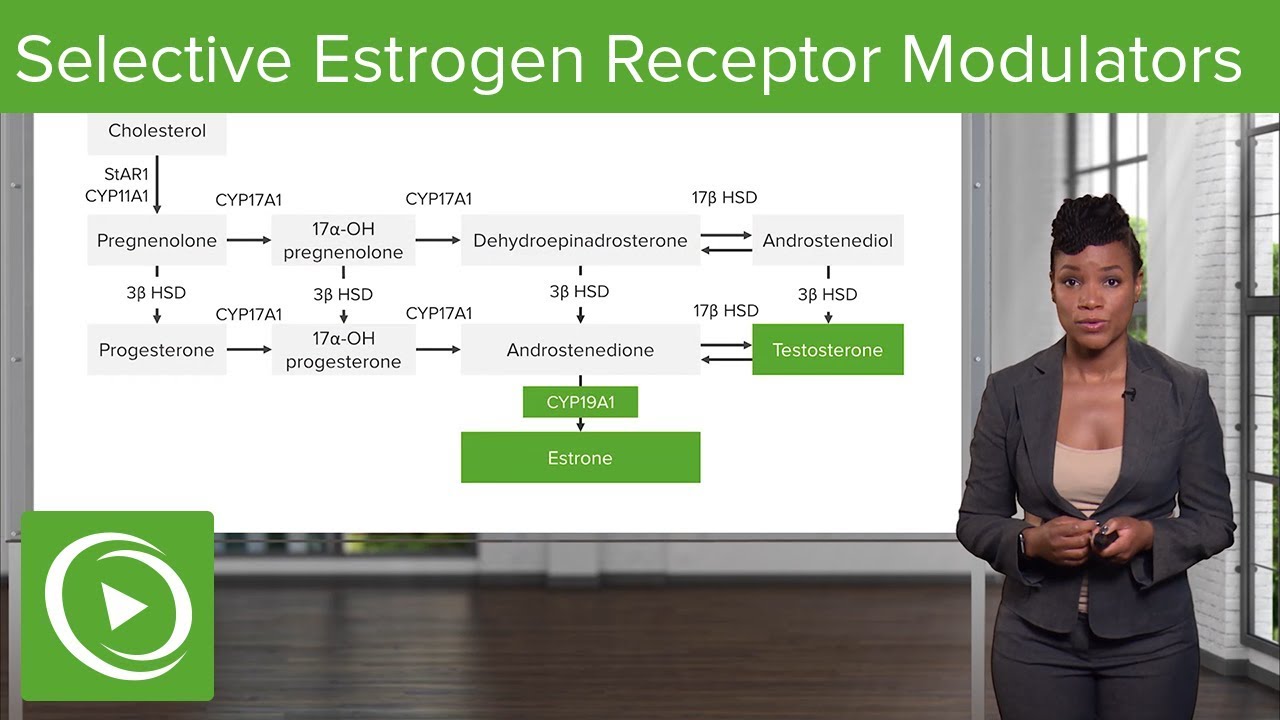

Tamoxifen, Raloxifene and Clomiphene
Selective estrogen receptor modulators, commonly known as SERMs, are a class of compounds that act on the estrogen receptor (ER). They are unique in their ability to selectively stimulate or inhibit estrogen-like action in various tissues. This dual action makes them valuable in treating a range of conditions, particularly those related to estrogen, such as breast cancer, osteoporosis, and menopausal symptoms.
Mechanism of Action
SERMs function by binding to estrogen receptors, which are proteins found inside cells that are activated by the hormone estrogen. Once bound, SERMs can either mimic or block the effects of estrogen in different tissues. This selective action is due to the ability of SERMs to induce distinct conformational changes in the estrogen receptor, which can lead to the recruitment of different co-regulators that either promote or inhibit gene transcription.
Common SERMs and Their Uses
Several SERMs are currently used in clinical practice, each with specific applications:
- Tamoxifen: One of the most well-known SERMs, tamoxifen is primarily used in the treatment and prevention of breast cancer. It acts as an estrogen antagonist in breast tissue, thereby inhibiting the growth of estrogen-dependent tumors.
- Raloxifene: This SERM is used to prevent and treat osteoporosis in postmenopausal women. It acts as an estrogen agonist on bone and lipid metabolism, helping to maintain bone density and reduce the risk of fractures.
- Toremifene: Similar to tamoxifen, toremifene is used in the treatment of breast cancer. It is often prescribed for patients who are resistant to tamoxifen.
- Bazedoxifene: Often combined with conjugated estrogens, bazedoxifene is used to treat menopausal symptoms and prevent osteoporosis. It acts as an estrogen agonist on bone and an antagonist on the endometrium.
Benefits of SERMs
The selective action of SERMs offers several benefits:
- Targeted Therapy: By selectively modulating estrogen receptors, SERMs can provide therapeutic effects in specific tissues while minimizing unwanted side effects in others.
- Breast Cancer Treatment: SERMs like tamoxifen have significantly improved survival rates for estrogen receptor-positive breast cancer patients.
- Bone Health: SERMs such as raloxifene help maintain bone density and reduce the risk of fractures in postmenopausal women.
- Cardiovascular Health: Some SERMs have favorable effects on lipid profiles, potentially reducing the risk of cardiovascular disease.
Limitations and Side Effects
Despite their benefits, SERMs also have limitations and potential side effects:
- Endometrial Cancer Risk: Some SERMs, particularly tamoxifen, can increase the risk of endometrial cancer due to their partial agonist activity in the uterus.
- Venous Thromboembolism: SERMs can increase the risk of blood clots, which is a significant concern for patients with a history of thromboembolic events.
- Menopausal Symptoms: While some SERMs can alleviate menopausal symptoms, others may exacerbate them, leading to hot flashes and night sweats.
- Resistance: Over time, some patients may develop resistance to SERMs, necessitating alternative treatments.
Future Directions
Research into SERMs continues to evolve, with ongoing studies aimed at developing new compounds with improved efficacy and safety profiles. Some areas of interest include:
- Next-Generation SERMs: Scientists are working on developing SERMs with more precise tissue selectivity to maximize therapeutic benefits while minimizing side effects.
- Combination Therapies: Combining SERMs with other treatments, such as aromatase inhibitors or targeted therapies, may enhance their effectiveness in treating breast cancer and other conditions.
- Personalized Medicine: Advances in genetic and molecular profiling may allow for more personalized SERM therapies, tailored to an individual's specific genetic makeup and disease characteristics.