EFEMCUKURU GOLD MINE
Efemçukuru (Turkey)
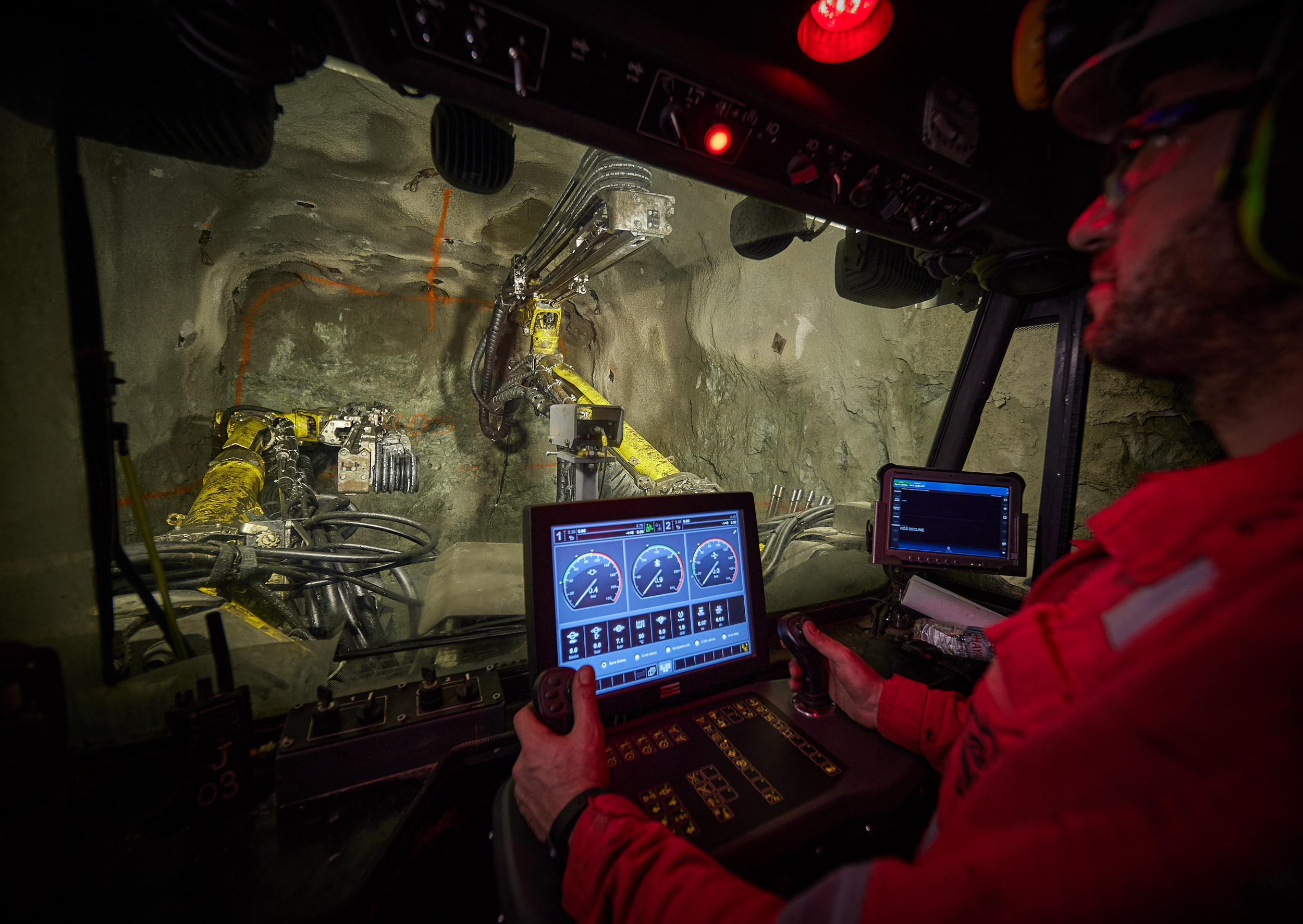
Efemçukuru is a high grade, underground operation located in Izmir Province in western Turkey.
It uses a flotation circuit to produce a gold concentrate.
Key Facts
| Location | Izmir Province, Turkey |
|---|---|
| Mine type | Underground |
| Metals mined | Gold |
| Employees/contractors | ~870 |
| Expected mine life | 9 years* |
| Deposit type | Epithermal gold |
| Ownership | 100% |
| Resources & Reserves | Resources & Reserves |
* Based on current proven and probable reserves.
2021 Outlook
Efemçukuru is expected to mine and process almost 520,000 tonnes of ore at an average gold grade of 6.6 grams per tonne. Cash operating costs per ounce in 2021 are expected to increase due to fewer payable gold ounces sold, partially offset by the weakening of the Turkish Lira. Forecast total cash costs and AISC have increased due primarily to higher gold royalty rates consistent with higher gold prices. Expected sustaining capital expenditures for 2021 include drilling related to KPR resource conversion as well as 2020 carry-over capital expenditures.
Virtual Tour
Operating Data
| 2021E | 2020A | 2019A | |
|---|---|---|---|
| Gold produced (oz) | 90,000-95,000 | 99,835 | 103,767 |
| Gold sold (oz) | - | 98,340 | 105,752 |
| Ore mined/processed (t) | 520,000 | 523,702 | 521,034 |
| Gold grade (g/t) | 6.6 | 6.76 | 7.03 |
| Cash operating costs ($/oz sold) | 550-600 | 556 | 599 |
| All-in Sustaining costs ($/oz sold) | - | 918 | 923 |
| Sustaining capex ($M) | 18.0-23.0 | 19.1 | 24.5 |
Geology and Mineralization
Efemçukuru is an intermediate sulfidation epithermal gold deposit hosted within Upper Cretaceous phyllite and schist at the western end of the Izmir-Ankara Suture Zone in SW Turkey. The host rocks are locally silicified to hornfels and cut by moderately N- to NE-dipping faults that are exploited by rhyolite dykes and epithermal veins. Two major veins host mineralization, Kestanebeleni and Kokarpinar, with the former containing the bulk of the ore. Vein mineralogy is variable but primarily consists of quartz, rhodonite (commonly replaced by rhodochrosite), adularia and sulfide assemblages including pyrite, galena, chalcopyrite and sphalerite. Spectacular, high grade banded crustiform-colloform textures characterize the veins in addition to multi-stage breccias that were likely the result of shallow-level boiling. Most of the gold is very fine (2.5 to 50 microns), occurring as free grains in quartz and carbonate, and as inclusions in sulphide minerals. Lower grade mineralized stockworks occur peripheral to the ore shoots, and are most strongly developed in hangingwall rocks.
Exploration
The Efemçukuru epithermal vein deposit was identified and defined by Eldorado in the late 1990s. Current exploration is focused on adding resources to the two principal mineralized veins at the project: the Kestane Beleni Vein, which hosts the present mine reserves, and the subparallel Kokarpinar Vein, located 400m to the east. We are also continuing to identify and test new vein targets on the property.
History
| 2015 | Commenced mining from the North Ore Shoot (NOS) |
|---|---|
| 2014 | Mine throughput increased to 435 ktpa |
| 2013 | Received approval of supplementary EIA for the expansion from 250,000 tpa to 600,000 tpa |
| 2012 | Commenced commercial sales of concentrate to third parties |
| 2011 | Commercial production began in December; mining and processing started in June |
| 2008 | Began construction |
| 2007 | Completed feasibility study |
| 2005 | Received EIA approval |
| 1992 | Discovered the deposit while carrying out reconnaissance work in western Turkey |