FILO DEL SOL
PROJECT OVERVIEW
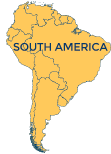
Location
140 km southeast of the city of Copiapó, Chile on the Chile/Argentina Border
Area
~18 sq km alteration zone with near surface high grade CuOx, Ag, Au
Indicated
3.1 B lb Cu; 4.4 M oz. Au; 146.9 M oz. Ag
Inferred
1.1 B lb Cu; 1.8 M oz. Au; 34.8 M oz. Ag
Reserve and Resource Statement
Introduction
The Corporation holds a 100% interest in the Filo del Sol Project, which straddles the international border between San Juan Province, Argentina and Region III, Chile.
Project Description, Location and Access
The Filo del Sol Project is located in the Atacama Region of Northern Chile and adjacent San Juan province of Argentina, 140 kilometres southeast of the city of Copiapó, Chile and straddles the border between Argentina and Chile. The centre of the main deposit area is located at 28.49° S latitude and 69.66° W longitude.
Climate and Access
The climate is cold and windy, typical of the high Andes. The exploration field season runs from October to April and requires the presence of a bulldozer all season in case of sudden snowfalls. The project could be kept open all year if 2 to 3 bulldozers were kept working, but low temperatures make it difficult to work in the winter months.
Field work is based out of a camp located approximately 20 kilometres from the project in Argentina. The camp can accommodate approximately 120 people. The site is remote and, other than road access, there is no infrastructure available.
Elevations on the property range from 3,800 to 5,400 metres above sea level. The mountains are generally not rugged and vehicle access is possible to most of the property. Vegetation is almost entirely absent in the area.
Geological Setting, Mineralization and Deposit Types
Filo del Sol is a high-sulphidation epithermal copper-gold-silver deposit associated with a large porphyry copper-gold system. Overlapping mineralizing events combined with weathering effects, including supergene enrichment, have created several different styles of mineralization, including structurally-controlled gold, manto-style high-grade silver (+/- copper) and high-grade supergene enriched copper within a broader envelope of disseminated sulphide copper and gold mineralization. Mineralization is hosted in clastic rocks inferred to be part of the Jurassic-Paleocene Cuartitos formation as well as underying rhyolitic volcanic rocks inferred to be part of the Permo-Triassic basement. It is located in the Andean Frontal Mountain Range (in Spanish, Cordillera Frontal), between the Maricunga gold porphyry zone to the north and the El Indio high-sulphidation zone to the south, both of Miocene age.
Three main zones of mineralization occur on the property called, from South to North, Filo del Sol, Maranceles and Potro. Filo del Sol is by far the most advanced and is the location of the mineral resource presented here. Maranceles and Potro are defined by widespread surface alteration very similar to that seen at Filo del Sol, anomalous cooper, gold and pathfinder elements in talus fine samples and a few widely spaced, shallow drill holes.
The Filo del Sol Project displays a full transition between a high-sulphidation epithermal environment and a porphyry system, and both deposit types are represented. Weathering and supergene processes have created high-grade copper oxide and silver zones. Mineralization of potential economic interest within the Filo del Sol deposit includes high-grade leachable oxide/mixed copper mineralization, structurally controlled gold-silver mineralization, sub-horizontal “manto” high-grade silver mineralization and disseminated copper, gold, silver, molybdenum sulphide mineralization.
Exploration
Filo Mining, or its predecessor companies, have been exploring at Filo del Sol since the 1999-2000 field season. A total of twelve work programs have been completed over these years, and there have been four seasons where no work was done (2001/02, 2002/03, 2008/09, 2009/10). Exploration has been limited to the summer season, typically between November and April, and exploration seasons are described by the years which they bridge. In addition to both reverse circulation and diamond drilling, surface work completed to date has included talus fine sampling, rock chip sampling, geological mapping and induced polarization and magnetic geophysical surveys