Mitochondrial Disorders
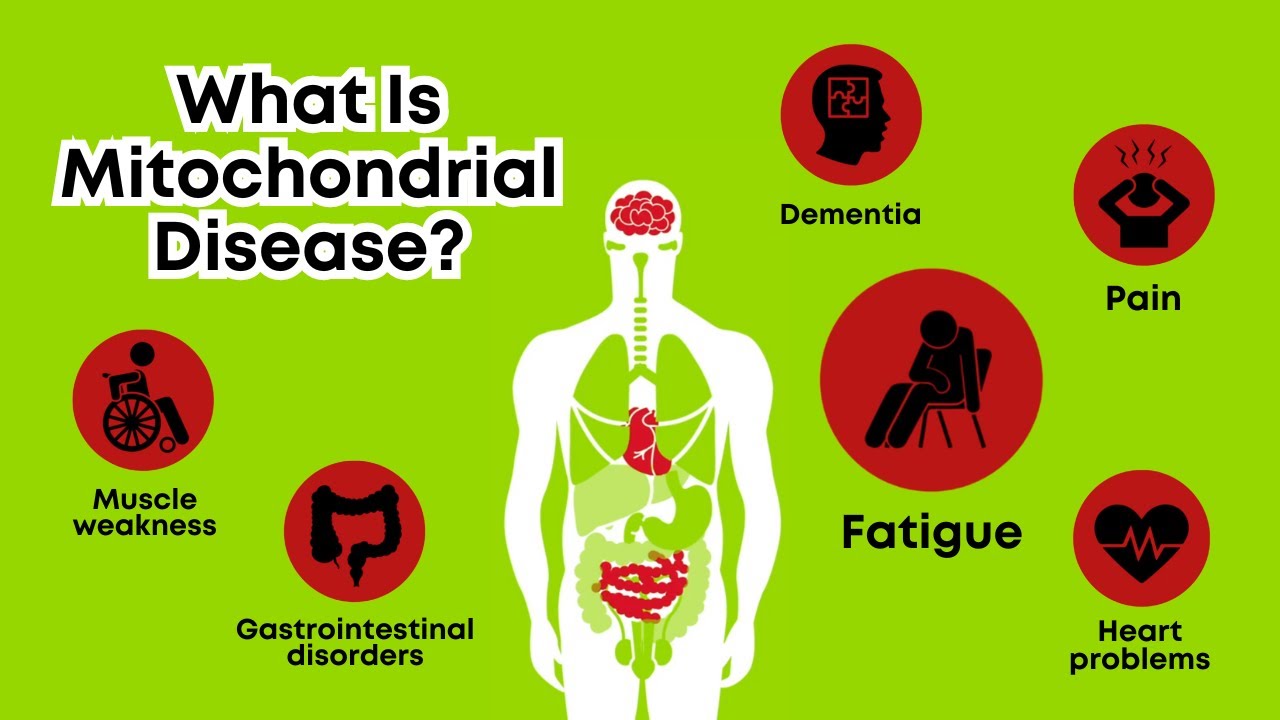
Mitochondrial disease is a group of genetic disorders caused by mitochondrial dysfunction. Mitochondria are the organelles that generate energy for the cell and are found in every cell of the human body except red blood cells. They convert the energy of food molecules into the ATP that powers most cell functions.
Mitochondrial Disorders | National Institute of Neurological Disorders and Stroke
Types of Mitochondrial Disease | UMDF
Leigh syndrome (a severe neurological disorder) and Leber Hereditary Optic Neuropathy (LHON) (causing vision loss) are often cited as the most common or frequently diagnosed specific mitochondrial diseases, with other common presentations including Chronic Progressive External Ophthalmoplegia (CPEO) and certain Fatty Acid Oxidation (FAO) disorders, depending on the population and criteria.
Unique inheritance—maternal transmission, heteroplasmy, threshold effects.