Aenophiles
December 19, 2025, 10:21 AM
The discovery of aeonophiles expands our definition of life | Aeon Essays
The intraterrestrials are showing us that we were wrong; life can exist on orders of magnitude lower power and sustain their living cells for orders of magnitude more years than previously thought possible. This means that many of these living beings bump up against the energetic limits of life, and in the process seem to have cracked the code for near-immortality. These types of intraterrestrials have such extremely long lifespans that we need a new term to describe the type of extremophiles that they are. The word aeonophiles fits, since they like (-phile) long periods of time (aeon-).
Many of these aeonophile types of intraterrestrials survive on thousands of times lower power than the amount required to maintain a next-to-dead non-growing culture of normal bacteria. This means that even though the deep subseafloor is one of the largest ecosystems on Earth, hardly any of the microbes that live there are actually growing. They have 0.00001 per cent of the power that supports all other known types of cell growth on Earth, so even performing a single cell division is impossible.
By living as slow as they do, aeonophiles prompt us to consider how we define life and non-life. How can we scientifically distinguish between the two? For answers, I believe we need to think of life, in its most basic function, as an energeticphenomenon. And to do that, it’s necessary to look at it through the lens of thermodynamics.
Even though they may seem extraordinary to us, individuals that live for thousands of years or longer may be ordinary on Earth. In addition to showing us that life is far more diverse than we thought, and can use energy and time in ways we would never have dreamed up on our own, aeonophiles might be key to understanding why life exists. They’re showing us new ways for life to conduct its delicate dance with energy and entropy. As we continue to learn more about these strange intraterrestrials, and the aeonophiles among them, I believe we will continue smashing our preconceived notions of how life itself is supposed to work, one barely breathing cell at a time.
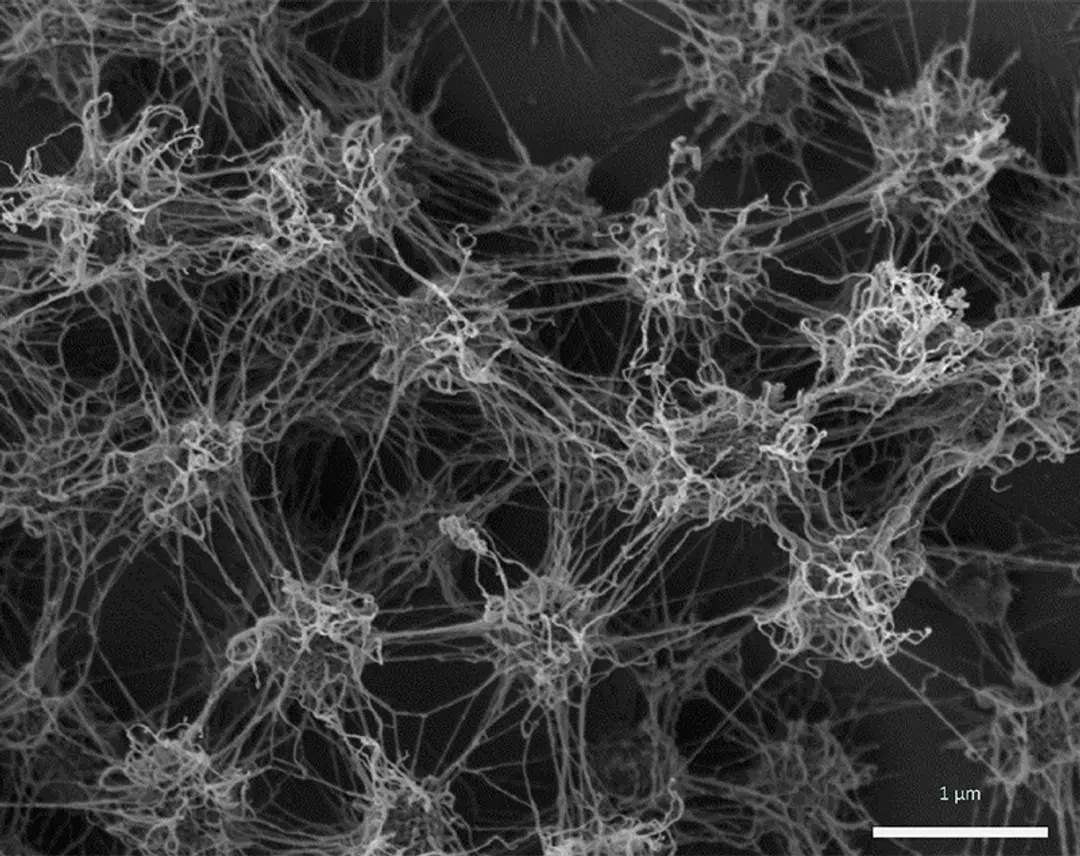
Candidatus Altiarchaeum hamiconexum cells within their biofilm. Cells appear fluffy due to their extracellular polymeric matrix and cell-surface appendages (‘hami’). Courtesy Probst and Moissl-Eichinger