Righteousness
Definition
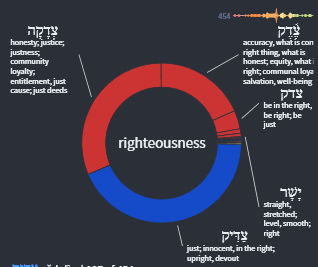
Tsedeq (צֶדֶק)
Tsedaqah (צְדָקָה):
both deriving from the root צ-ד-ק (ts-d-q), which conveys the idea of righteousness, justice, or moral uprightness
The Hebrew words צֶדֶק (tsedeq) and צְדָקָה (tsedaqah) are closely related, both deriving from the root צ-ד-ק (ts-d-q), which conveys the idea of righteousness, justice, or moral uprightness.
Key Differences:Focus: Tsedeq emphasizes the quality or standard of righteousness/justice, while tsedaqah often focuses on the practice or expression of righteousness, especially in acts of compassion or charity.
Scope: Tsedeq is more abstract and tied to moral or legal standards; tsedaqah is more concrete, often involving specific actions or behaviors.
Tone: Tsedeq can have a judicial or objective tone, while tsedaqah carries a relational or ethical warmth, particularly in caring for others.