Adams
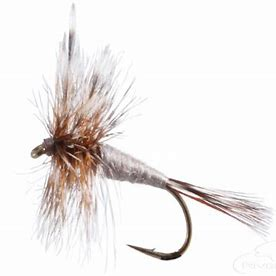
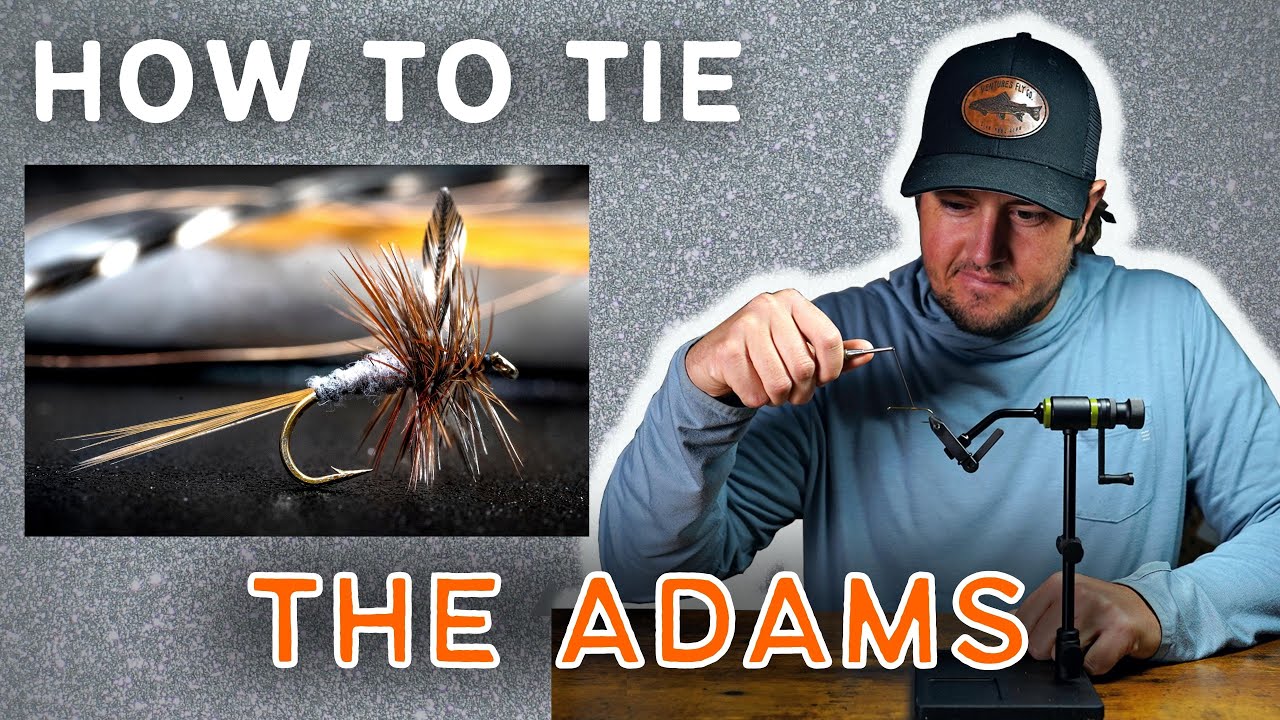

The Adams fly pattern is a popular and versatile fly used in fly fishing. It was invented by Leonard Halladay and named after his friend, Charles F. Adams. The fly pattern was first developed in the 1920s and has since become a classic in the fly fishing community.
The Adams fly pattern is primarily used to imitate mayflies, but it can also imitate other small insects such as midges and caddisflies. It is especially effective in rivers and streams where mayflies are abundant.
The fly pattern consists of a combination of gray and grizzly hackle feathers, which create a realistic profile and movement in the water. The body of the fly is made with a mixture of muskrat fur and dubbing, giving it a lifelike appearance.
One of the key features of the Adams fly pattern is its versatility. It can be tied in various sizes and colors to match the specific mayfly species that are present in a particular water body. This makes it a go-to fly for many anglers, as it can be used in different fishing conditions and seasons.
The Adams fly pattern is known for its effectiveness in catching trout, but it has also been successful in attracting other species such as bass and panfish. Its ability to mimic a wide range of insects makes it a reliable choice for fly fishermen of all skill levels.
In conclusion, the Adams fly pattern is a timeless and effective fly that has stood the test of time. Its versatility, realistic appearance, and ability to imitate various insects make it a go-to choice for many anglers.