Indicator Parachute
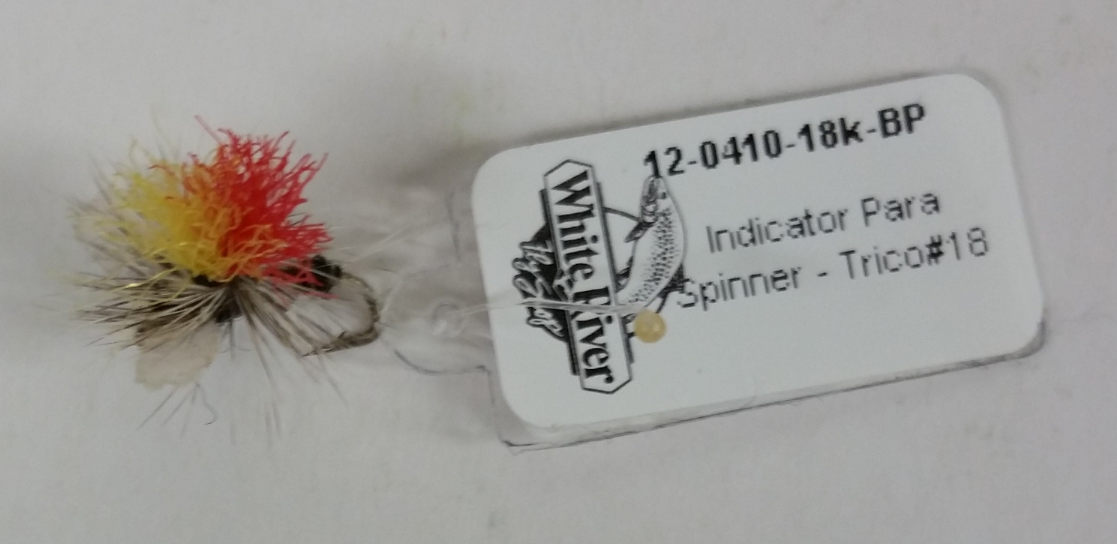
From Pennsylvania to California and on many productive trout waters in between, the Tricorythodes hatch is the best mayfly hatch of the summer. No other hatch brings as many trout to the surface in July and August, but no other hatch leaves as many anglers scratching their heads or shaking their fists at the water in despair.
The Indicator Parachute fly pattern is a popular and effective fly fishing technique used by anglers to imitate aquatic insects on the water's surface. This fly pattern is particularly useful when fishing for trout in rivers and streams.
The main purpose of the Indicator Parachute fly pattern is to serve as a visual indicator for the angler, allowing them to detect strikes when the fish take the fly. The parachute-style hackle used in this pattern creates a high-floating fly that is easy to see, even in fast-moving currents.
To tie an Indicator Parachute fly pattern, anglers typically use a combination of materials such as dry fly dubbing, hackle feathers, and a post made from materials like poly yarn or foam. These materials are carefully selected to imitate different types of insects, such as mayflies, caddisflies, or midges.
When fishing with the Indicator Parachute fly pattern, anglers typically use a strike indicator or a small piece of brightly colored yarn attached to the leader. This indicator helps the angler detect subtle strikes when the fish take the fly underwater.
The Indicator Parachute fly pattern is highly versatile and can be used in various fishing situations. It can be fished alone or in combination with other nymph or emerger patterns. Anglers often adjust the size and color of the fly to match the prevailing insect hatch or to attract the attention of feeding fish.
Overall, the Indicator Parachute fly pattern is a valuable tool in the angler's arsenal, allowing them to effectively present flies on the water's surface and increase their chances of catching trout.
Source:
- Bass Pro
Inventory:
- #18 - 3
HX: