Chaos Magic
via wikipedia:
"Chaos magic, also spelled chaos magick, is a postmodern magical tradition which emphasizes the pragmatic use of belief systems and the creation of new and unorthodox methods.[1]
General principles
Although there are a few techniques unique to chaos magic (such as some forms of sigil magic), chaos magic is often highly individualistic and borrows liberally from other belief systems, due to chaos magic having a central belief that belief is a tool. Some common sources of inspiration include such diverse areas as science fiction, scientific theories, traditional ceremonial magic, neoshamanism, eastern philosophy, world religions, and individual experimentation. Despite tremendous individual variation, chaos magicians (sometimes called "chaotes"[^(https://en.wikipedia.org/wiki/Chaos_magic#cite_note-crsaca-2)2(https://en.wikipedia.org/wiki/Chaos_magic#cite_note-crsaca-2)]^(https://en.wikipedia.org/wiki/Chaos_magic#cite_note-crsaca-2)) often work with chaotic and humorous paradigms, such as the worship of Hundun from Taoism or Eris from Discordianism and it is common for chaotes to believe in whatever god suits their current paradigm and discard it when necessary. Chaotes can be agnostic or atheist and regard magical practice as merely psychological, not paranormal. Some chaos magicians also use psychedelic drugs in practices such as chemognosticism.[3]
According to chaos practitioners a computer is the central tool for connecting the followers, building virtual knowledge libraries and it also could be used for the simulation of the online ritual environment.[4]
History
Origins and creation
Chaos magic was first formulated in West Yorkshire, England in the 1970s.[5] A meeting between Peter J. Carroll and Ray Sherwin in Deptford in 1976 has been claimed as the birthplace of chaos magic,[^(https://en.wikipedia.org/wiki/Chaos_magic#cite_note-Understanding_Chaos_Magic_by_Jaq_D.Hawkins-6)6(https://en.wikipedia.org/wiki/Chaos_magic#cite_note-Understanding_Chaos_Magic_by_Jaq_D.Hawkins-6)]^(https://en.wikipedia.org/wiki/Chaos_magic#cite_note-Understanding_Chaos_Magic_by_Jaq_D._Hawkins-6) and in 1978 Carroll and Sherwin founded the Illuminates of Thanateros (IOT),[^(https://en.wikipedia.org/wiki/Chaos_magic#cite_note-Condensed_Chaos-5)5(https://en.wikipedia.org/wiki/Chaos_magic#cite_note-Condensed_Chaos-5)]^(https://en.wikipedia.org/wiki/Chaos_magic#cite_note-Condensed_Chaos-5) a chaos magic organization. Liber Null (1978) by Peter J. Carroll further developed this new, experimental perspective on magic. This book and Carroll's Psychonaut (1981) remain important sources.
Influences
Aleister Crowley has marginal yet early and ongoing influence for his deconstructionalism of magic which Spare followed through with concerning spellcraft, explicitly sigilization, yet also for his emphasis on finding a common language for practitioners of different traditions which subsequent generations have elaborated on via chaos magic.
Visionary artist and mystic Austin Osman Spare, who was briefly a member of Aleister Crowley's A∴A∴ but later broke with them to work independently,[^(https://en.wikipedia.org/wiki/Chaos_magic#cite_note-7)7(https://en.wikipedia.org/wiki/Chaos_magic#cite_note-7)]^(https://en.wikipedia.org/wiki/Chaos_magic#cite_note-7) is largely the source of chaos magical theory and practice. Specifically, Spare developed the use of sigils and the use of gnosis to empower these. Most basic sigil work recapitulates Spare's technique, including the construction of a phrase detailing the magical intent, the elimination of duplicate letters, and the artistic recombination of the remaining letters to form the sigil. Although Spare died before chaos magick emerged, many consider him to be the father of chaos magic because of his repudiation of traditional magical systems in favor of a technique based on gnosis.
Following Spare's death, magicians continued to experiment outside of traditional magical orders. In addition to Spare's work, this experimentation was the result of many factors, including the counterculture of the 1960s and early 1970s, the wide publication of information on magic by magicians such as Aleister Crowley and Israel Regardie, the influence of Discordianism and Robert Anton Wilson, and the popularizing of magic by Wicca and Satanism.
Early days
The first edition of Liber Null does not include the term "chaos magic", but only refers to magic or "the magical art" in general.[8] Texts from this period consistently claim to state principles universal to magic, as opposed to a new specific style or tradition of magic, and describe their innovations as efforts to rid magic of superstitious and religious ideas. Psychonaut uses the label "individual sorcery as taught by the IOT".[8]
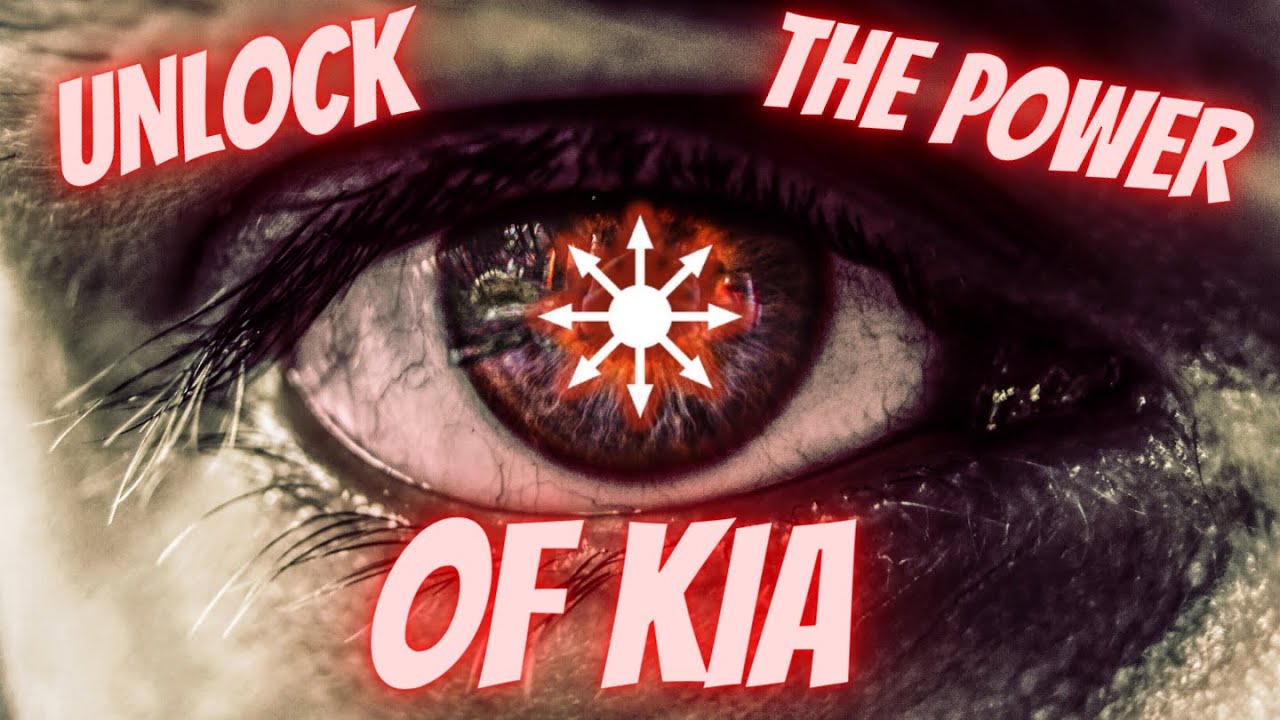
Chaos came to be part of this movement defined as "the 'thing' responsible for the origin and continued action of events[...]. It could as well be called 'God' or 'Tao', but the name 'Chaos' is virtually meaningless and free from the anthropomorphic ideas of religion."[8] The Symbol of Chaos used to signify it was apparently, but not explicitly, lifted from the fantasy novels of Michael Moorcock. Carroll wrote that the chaotic aspect of this magic aims for "psychological anarchy[...] The aim is to produce inspiration and enlightenment through disordering our belief structures."[8]"