Venus Flytrap
At Risk
Videos
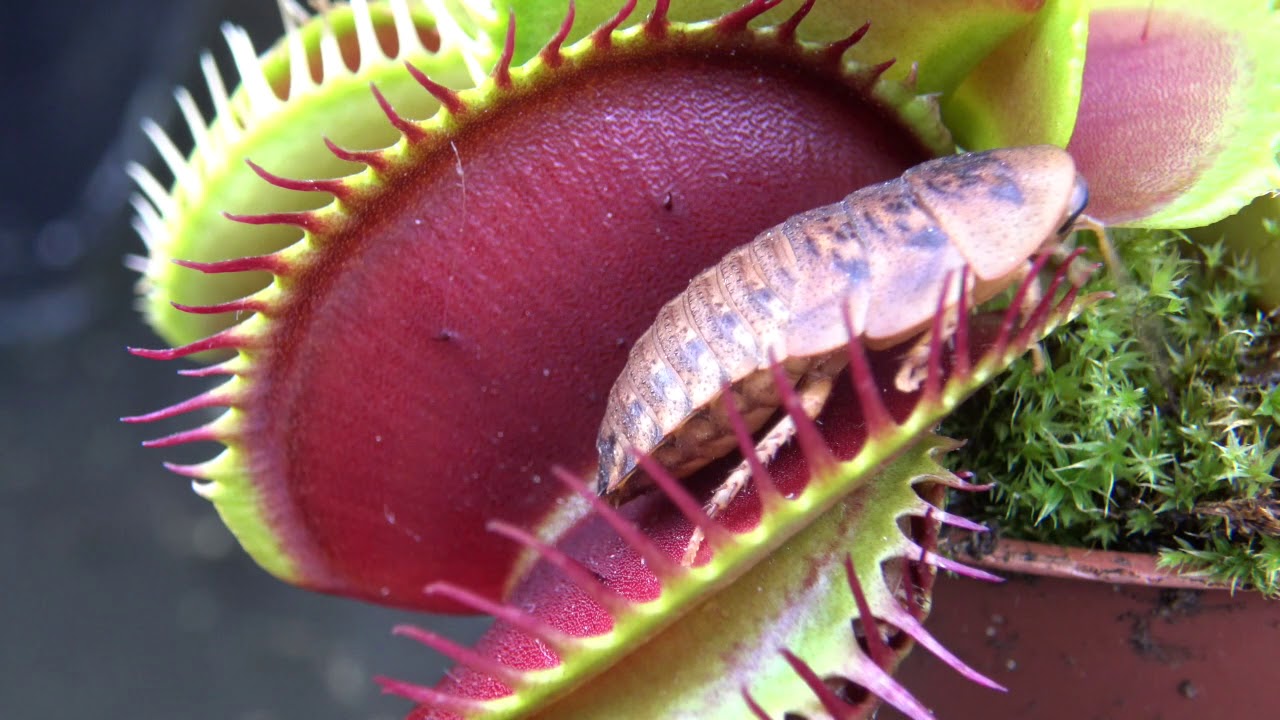
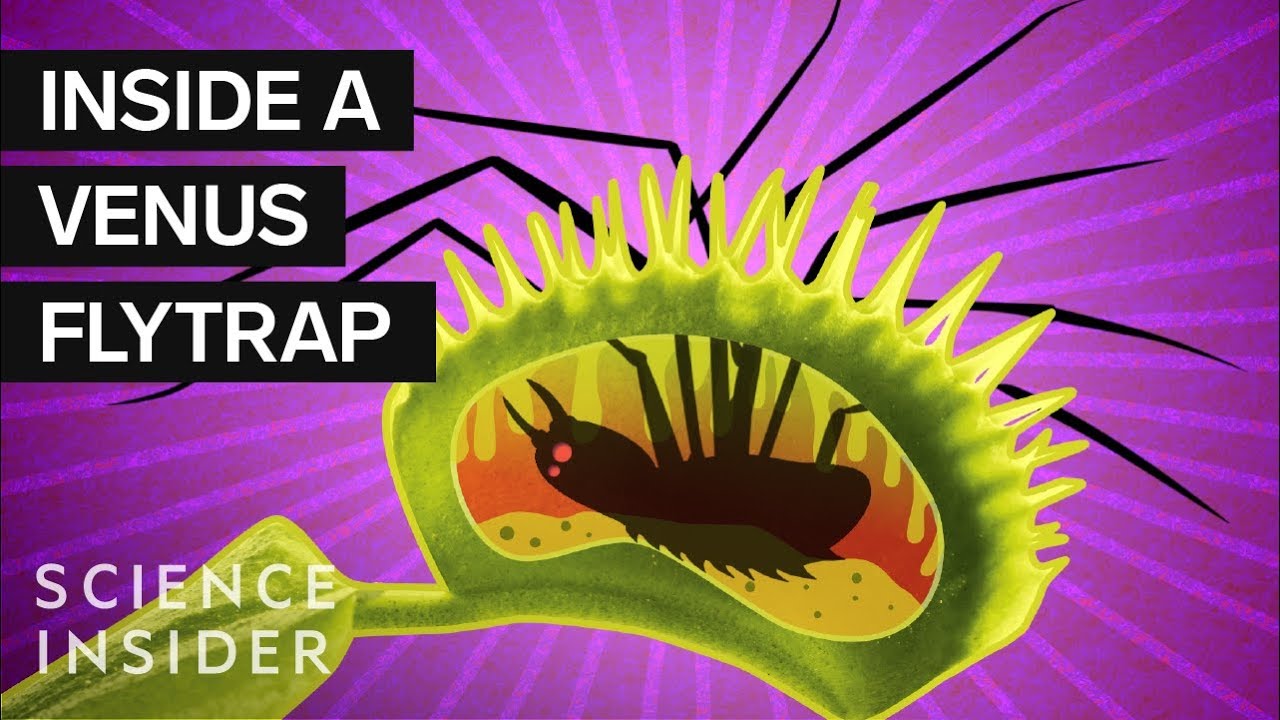
Venus Flytraps Can Count
Constituents
Naphthalene derivatives; naphthoquinones,including hydro-plumbagiin-4- O- beta-glucoside (0.6%), plumbagin (0.2%)
Flavonoids; including quercetin-3-O- glactoside, quercetin-3-O- glucoside, kaempferol-3- O- galactoside, kaempferol-3- O- glucoside
Phenol carboxylic acids:; glucosides of gallic acid, ellagic acid, 3-O- methyl-ellagic acid and 3,3-dimethyl ellagic acid
Enzymes (in secretions of the digestive glands; proteases, phosphatases, nucleases
- Ellagic acid derivatives and naphthoquinones of Dionaea muscipula from *in vitro* cultures
- Naphthoquinones from Dionaea muscipula
Effects
The pressed fresh plant (chief active ingredient, plumbagin) is immunostimulating, antineoplastic, and spasmogenic due to the lysophosphatidinic acid component.
Overview
The Dionaea muscipula, commonly known as the Venus flytrap, is one of the most intriguing and well-known carnivorous plants. Native to subtropical wetlands on the East Coast of the United States, particularly in North and South Carolina, this plant has captivated the imagination of botanists and plant enthusiasts alike due to its unique feeding mechanism and survival strategies.
Anatomy and Structure
The Venus flytrap is a small plant, typically growing to about 5-6 inches in diameter. It consists of a rosette of leaves that lie close to the ground. Each leaf has two distinct parts:
- The Petiole: The flat, photosynthetic part of the leaf that captures sunlight and performs photosynthesis.
- The Trap: The modified part of the leaf that captures prey. The trap is composed of two lobes hinged at the midrib, with each lobe lined with hair-like structures called cilia.
Mechanism of Action
The trapping mechanism of the Venus flytrap is a marvel of natural engineering. The inner surfaces of the lobes are equipped with three to four sensitive trigger hairs. When an unsuspecting insect or spider touches these hairs, the trap snaps shut in a fraction of a second. This rapid movement is one of the fastest in the plant kingdom and is a result of complex cellular processes involving changes in turgor pressure.
Steps of the Trapping Process:
- Triggering: An insect touches the trigger hairs.
- Snap Shut: The lobes close rapidly, trapping the prey inside.
- Sealing: The edges of the lobes seal tightly to form an airtight chamber.
- Digestion: Digestive enzymes are secreted to break down the prey.
- Absorption: Nutrients are absorbed, and the trap reopens after 5-12 days, ready for the next meal.
Nutritional Adaptations
The Venus flytrap thrives in nutrient-poor, acidic soils where most plants would struggle to survive. To compensate for the lack of essential nutrients like nitrogen and phosphorus in the soil, it has evolved to capture and digest insects and arachnids. This carnivorous adaptation allows the plant to supplement its diet and obtain the necessary nutrients for growth and reproduction.
USES
Medicinal Parts: the whole plant
Qualities Cooling
Properties Analgesic, antimutagenic, antiviral, cytotoxic, immune stimulant
Scientists Reveal How Venus Fly Traps Snaps Shut
The drug extracted from the plant is used chiefly in the treatment of malignant conditions such as tumors in advanced stages (mammary carcinoma, bladder carcinoma, prostate carcinoma, and osteosarcoma) and also for hematological systemic conditions (such as Hodgkin and non-Hodgkin lymphoma) as well as solid tumors.
Physicists Using Atomic Magnetometers Find That Venus Flytraps Produce Magnetic Fields
Picky Eaters: Venus Flytraps Only Chow Down On Certain Insects, Study Finds
A Plant Extract that "Eats" Cancer Cells
It contains a powerful immune modulator “naphthoquinone plumbagin.”
Research shows that plumbagins used in low doses are potent stimulators of:
- macrophage activity (large scavenger cells that can engulf and destroy bacteria, and other foreign debris)
- anti-mutagenic (a compound acting on cells and tissues to decrease initiation of mutation)
- HDL elevation, the good cholesterol
- bacterial resistance to antibiotics, as demonstrated in animal studies
In addition to those healing influences, the Venus Fly Trap also has two comforting abilties. It can:
- Increase or normalize body temperature
- Dramatically increase a sense of well-being and energy
Dose
Availability of the pressed juice of the fresh plant in two commercial preparations was halted in 1986.
Juice from the fresh plant used orally and as an inhalant: 50-60 drops times daily; 25 drops with 1 ml physiological NaCl in a cold atomizer. Injection solution; initial dose is 2 ml, ampule daily for 14 days. Maintenance dose; 1 ampule every second to third day I.M.
Tincture Fresh plant (1:2, 95% alcohol); 1-4 ml 3 times daily
Habitat and Conservation
The natural habitat of the Venus flytrap is limited to the coastal plains of North and South Carolina. It thrives in environments that are sunny, humid, and have poor, acidic soils. Unfortunately, due to habitat destruction, poaching, and climate change, the Venus flytrap is considered a vulnerable species. Conservation efforts are crucial to protect this unique plant and its ecosystem.
Conservation Strategies:
- Habitat Protection: Preserving the natural wetlands where the Venus flytrap grows.
- Cultivation and Propagation: Encouraging the cultivation of Venus flytraps in botanical gardens and through responsible horticulture.
- Legal Protection: Enforcing laws against poaching and illegal trade.
Interesting Facts
- The Venus flytrap is named after Venus, the Roman goddess of love, and the word "muscipula," which means mousetrap in Latin.
- Charles Darwin was fascinated by the Venus flytrap and described it as "one of the most wonderful plants in the world."
- The plant's rapid movement is a result of complex electrical and chemical signals, similar to the nervous system in animals.