Smallpox
This is one of the deadliest and most infectious diseases known.
Videos

How smallpox infects the body
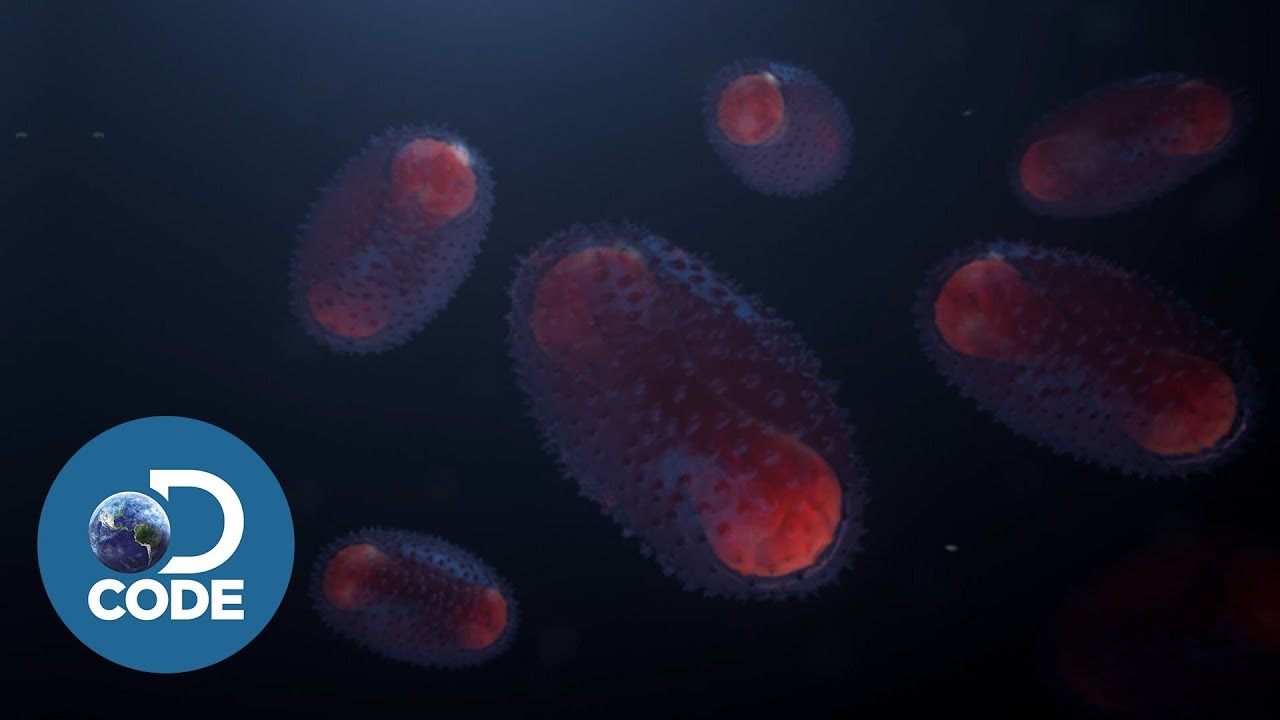
Smallpox and Society
Smallpox: A Historical Perspective. How Bad Was Smallpox, and How Was It Eradicated?
Smallpox:Comparative Chickenpox, Measles, and Influenza – Transmissibility, Rates, Last Known Case
Smallpox. 1940s Medical Documentary. GRAPHIC.
How we conquered the deadly smallpox virus
The Last Major Smallpox Outbreak in America
Rhazes, (854 CE – 925 CE) Muhammad Ibn Zakariyya al-Razi was the first physician in history who described in details the symptoms and signs of smallpox and measles based on clinical examination, and he was the first who distinguished between these two diseases by putting what is called now the differential diagnosis. This was very clear in his book: The Book on Smallpox and Measles. Read more...
Smallpox is a highly contagious and deadly disease caused by the variola virus. It has been one of the most devastating diseases known to humanity, with a history that spans thousands of years. The disease is characterized by fever, body aches, and a distinctive progressive skin rash. Fortunately, smallpox is the only human disease to have been eradicated globally through a successful vaccination campaign.
Historical Context
Smallpox has been a significant cause of mortality and morbidity throughout history. Evidence of smallpox dates back to ancient Egypt, with mummified remains showing signs of the disease. It spread across continents, affecting populations in Asia, Europe, and the Americas. The disease was particularly devastating in the Americas, where it contributed to the decline of indigenous populations following European colonization.
Symptoms and Transmission
The symptoms of smallpox typically appear 7 to 17 days after exposure to the virus. The initial symptoms include:
- High fever
- Fatigue
- Headache
- Backache
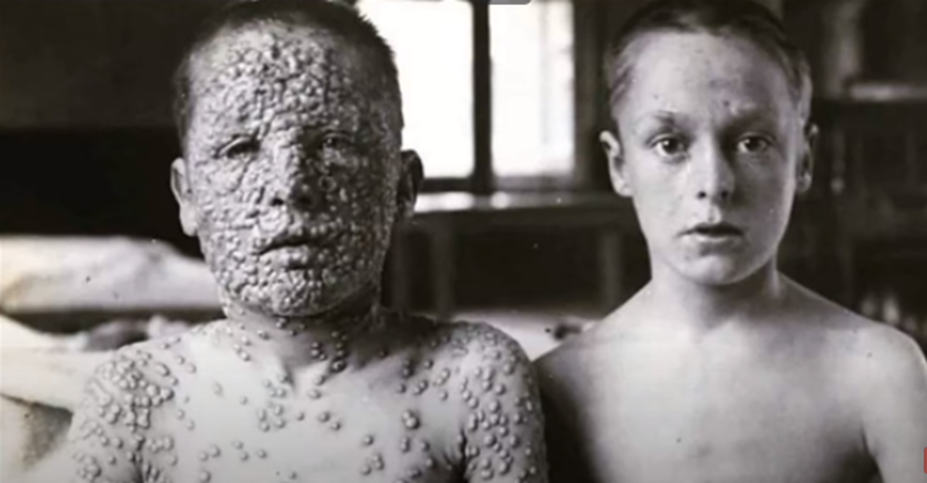
Following these initial symptoms, a rash develops, starting on the face and spreading to the arms, legs, and trunk. The rash progresses from macules to papules, vesicles, pustules, and finally scabs. The scabs eventually fall off, leaving pitted scars.
Smallpox is transmitted from person to person primarily through respiratory droplets. It can also spread through direct contact with infected bodily fluids or contaminated objects, such as bedding or clothing.
Eradication Efforts
The eradication of smallpox is one of the greatest achievements in public health. The World Health Organization (WHO) launched an intensified global smallpox eradication program in 1967. The program focused on mass vaccination and surveillance to identify and contain outbreaks.
Key strategies included:
- Mass Vaccination: Widespread vaccination campaigns were conducted to immunize populations at risk.
- Surveillance and Containment: Health workers were trained to identify cases quickly and implement containment measures, such as ring vaccination, where contacts of infected individuals were vaccinated to prevent further spread.
- International Cooperation: Countries around the world collaborated to share resources, information, and expertise.
The last naturally occurring case of smallpox was reported in Somalia in 1977. In 1980, the WHO declared smallpox eradicated, marking the end of a disease that had plagued humanity for centuries.
The Smallpox Vaccine
The smallpox vaccine, developed by Edward Jenner in 1796, was the first successful vaccine ever created. Jenner used material from cowpox lesions to confer immunity to smallpox, a practice that laid the foundation for modern vaccinology. The vaccine is made from a virus called vaccinia, which is similar to variola but less harmful.
The vaccine is highly effective, providing immunity to smallpox for about 3 to 5 years, with booster doses extending protection. It is administered using a bifurcated needle, which delivers the vaccine into the skin through multiple punctures.
Current Status and Concerns
Although smallpox has been eradicated, concerns remain about the potential use of the virus as a bioterrorism agent. Stocks of the variola virus are retained in two WHO-approved laboratories in the United States and Russia for research purposes. These stocks are subject to strict security and safety measures.
In response to bioterrorism concerns, some countries have maintained smallpox vaccine stockpiles and developed response plans to address potential outbreaks. Research continues to improve vaccines and antiviral treatments to ensure preparedness against any future threats.
June 27, 2022 FDA approves drug to treat smallpox
Dec 2020 Video: PROOF? | THIS IS HUGE
Notes/Links from above video:
There are only two places where smallpox still exist: the CDC in Atlanta, Georgia and in a Russian bioweapons lab (which blew up in 2019 and its thought the explosion was deliberate to cover the theft of smallpox vials). In 2014, 6 forgotten vials of smallpox were found when they were preparing to move a lab from the FDA. The smallpox vaccine was no longer given after 1972, at least two generations have not been vaccinated. The head of HHS said "we don't know if all samples of the virus outside of the two WHO designated labs have been found and destroyed. At the same type, synthetic biology continues to advance and allows, in the future, for smallpox to be created as a bioweapon. For that reason, smallpox remains a threat to national and global health security. Having vaccines and treatment at the ready will be imperative for saving lives."
Defectors from North Korea claim they also have the smallpox virus.
At the CDC Lab, a top epidemiologist who dealt with outbreaks of this kind, Timothy Cunningham, died mysteriously in Atlanta in 2019. Many unanswered questions in death of CDC researcher Cunningham
In the 1970s, A Weaponized Version Of Smallpox Got Out Into The Wild
U.S. Army Reserve Soldiers receive vaccination during Vibrant Response 2019 Question, if the disease is completely eradicated why vaccinate again?
Sept 2019: US to Purchase $170 Million in Smallpox Vaccines for Stockpiling The total purchase will come to $2.8 billion (for an eradicated disease? The order was placed two weeks after the Russian Lab exploded.)
"OLD Time Treatments"
Fresh red grapes were used.
An infusion of Witherod Viburnum has been used to treat smallpox.
Echinacea angustifolia was used by American physicians of the late 19th and early 20th century treating smallpox.
Calendula poultices were used to heal and obliterate the scars of smallpox.
Eberle mentions a case of small-pox, extremely low and of a putrefactive tendency, where a very strong decoction (popularly called “ooze”) of oak bark was used over the entire surface, to the arrest of putrefaction and saving of the patient.
Venus Fly Trap: In North America, roots and leaves of the purple pitcher plant Sarracenia purpurea were used by the endogenous population for its diuretic and laxative properties and also to treat fever, cough, and diabetes. The plant was also used to treat other infectious diseases like scarlet fever, smallpox, and measles.
Rediscovered Native American remedy kills poxvirus
Herbal medicine used to treat smallpox in the 19th century found to halt viral replication in vitro. An old herbal remedy for treating smallpox that is thought to have been used by native Americans in the late 1800s has been rediscovered and found to kill the poxvirus.
Historical sources suggest that in the 1800s, when smallpox still posed a serious threat, the Micmac native Americans of Nova Scotia treated the disease using a botanical infusion derived from the insectivorous plant Sarracenia purpurea, a species of pitcher plant.
Now, Jeffrey Langland at Arizona State University in Tempe, US, and colleagues have conducted in vitro experiments with the herbal extract and found it inhibits replication of the variola virus, the causative agent behind smallpox.
The team made extracts of S. purpurea and found that it was highly effective at inhibiting the replication of the virus in rabbit kidney cells. They then looked at the replication cycle of the virus and found that the herb inhibits mRNA synthesis, halting production of proteins vital for replication. ’Other drugs are being developed against smallpox, but S. purpurea is the only known therapy that will target the virus at this point in the replication cycle,’ says Langland.
Compound Diaphoretic Drops. See Pleurisy Root
TJ Lyle writes:
”The alkaloid of sunflower seeds has been tested in South Africa as a preventative of smallpox. Eight negroes were inoculated with smallpox, (confluent variety) and the disease failed to develop. Is not this better than cow-pox, which causes a large per cent of diseases, especially pulmonary tuberculosis.
Sarracenia Purpurea has lately achieved great reputation as a prophylactic against and a cure for smallpox.” See TJ Lyle's Physio-medical therapeutics, materia medica and pharmacy
Ashitaba: At one point in Edo period the haulm's yellow sap was effectively used in the external treatment of smallpox, which prompted Kaibara Ekken to describe the herb in his Yamato honzō (大和本草), under the name of ashitagusa (鹹草), as "a powerful tonic drug."
Steam / Vapor Bath: From The Physiomedical Dispensatory by William Cook, M.D., 1869: "In all eruptive forms of disease— including scarlatina, measles, small-pox, and chronic skin affections— it is unequaled for procuring an early and free elimination of the virus, and at the same time giving relief to internal organs that may be endangered from delay in casting out the poison. Cases of small-pox, taken in due season, often have the offensive material so rapidly cast out by the aid of vapor baths, (associated with emetics,) as to prevent any abundant accumulation of pustules."
Black Cohosh: From The Physiomedical Dispensatory by William Cook, M.D., 1869: Howard says a rather free use of a decoction, taken for a day or more before the appearance of the small-pox, will so gently dissipate the virus through the pores as to prevent or greatly modify the eruption. Several physicians of judgment have assured me that this observation is correct.
Articles/Studies
2014 The rediscovery of smallpox
Smallpox in the Post-Eradication Era - Widespread vaccination programmes led to the global eradication of smallpox, which was certified by the World Health Organisation (WHO), and, since 1978, there has been no case of smallpox anywhere in the world. However, the viable variola virus (VARV), the causative agent of smallpox, is still kept in two maximum security laboratories in Russia and the USA. Despite the eradication of the disease smallpox, clandestine stocks of VARV may exist. In a rapidly changing world, the impact of an intentional VARV release in the human population would nowadays result in a public health emergency of global concern: vaccination programmes were abolished, the percentage of immunosuppressed individuals in the human population is higher, and an increased intercontinental air travel allows for the rapid viral spread of diseases around the world. The WHO has authorised the temporary retention of VARV to enable essential research for public health benefit to take place. This work aims to develop diagnostic tests, antiviral drugs, and safer vaccines. Advances in synthetic biology have made it possible to produce infectious poxvirus particles from chemicals in vitro so that it is now possible to reconstruct VARV. The status of smallpox in the post-eradication era is reviewed.
History of Smallpox and Its Spread in Human Populations.
The Threat of Synthetic Smallpox: European Perspectives
Evidence for Residual Immunity to Smallpox After Vaccination and Implications for Re-emergence.
Oral Tecovirimat for the Treatment of Smallpox
The development and approval of tecoviromat (TPOXX()), the first antiviral against smallpox.
Smallpox and American Indians revisited.
Ring vaccination versus mass vaccination in event of a smallpox attack.
Keeping the memory of smallpox virus.
Diagnosis and Management of Smallpox
Surveillance and control measures during smallpox outbreaks.