Rose Petal Recipes
You can add them to sandwiches and salads.
Rose petal jam

Rose petals are far more than romantic clichés—they’re botanical gold for culinary, cosmetic, and craft applications. Here’s a curated list of creative uses for rose petals, blending wildcrafting, fermentation, and sensory delight. Whether fresh or dried, they’re perfect for layering into your living protocol library.
🍽️ Culinary Applications
1. Rose Petal Jam or Jelly
Simmer petals with sugar and lemon for a floral preserve. Swirl into yogurt, spoon over vegan cheesecake, or glaze tarts.
2. Rose Petal Sugar or Salt
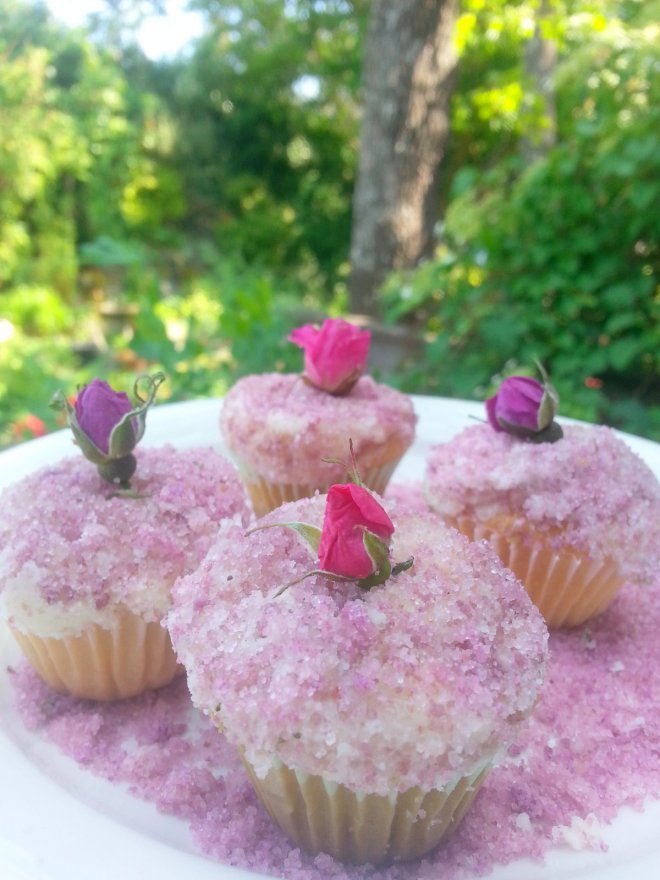
Blend dried petals with sugar or flaky salt. Use to rim cocktail glasses, sprinkle on shortbread, or finish roasted root vegetables.
3. Rose-Infused Vinegar or Syrup
Steep petals in apple cider vinegar or wild berry syrup. Use in vinaigrettes, shrubs, or fermented slaws.
4. Rose Petal Ferments
Add petals to kombucha, kvass, or lacto-fermented fruits for aroma and color. Try pairing with hibiscus, violet leaf, or lemon balm.
🛁 Bath & Body Rituals
5. Rose Petal Bath Bombs or Salts
Blend petals with Epsom salts, essential oils, and baking soda. Create fizzy bath bombs or soothing soak blends.
6. Rose Oil Infusion
Infuse dried petals in jojoba or almond oil for 4–6 weeks. Use in salves, body butters, or massage oils.
7. Rose Water Hydrosol
Simmer petals in water or use steam distillation. A gentle toner for skin and hair, or a mist for wild herb facials.
🎨 Craft & Decor
8. Pressed Rose Petal Art
Press petals between parchment and books. Use in cards, journals, or botanical collages.
9. Rose Petal Candles
Embed dried petals in homemade candles for visual and aromatic charm.
10. Potpourri & Sachets
Mix dried petals with spices like cinnamon, cloves, and lavender. Store in bowls or cloth sachets for scent layering.
🌿 Wild & Ritual Uses
11. Rose Petal Pathways or Altars
Scatter petals for seasonal rituals, garden parties, or grounding ceremonies.
12. Rose Petal Tinctures or Elixirs
Steep petals in alcohol or glycerin for emotional support blends. Pair with hawthorn, lemon balm, or violet.
🌹 Rose Matrix: Petal Color × Infusion Type × Wild Pairings × Seasonal Applications
| Petal Color | Infusion Type | Wild Pairings | Seasonal Applications |
|---|---|---|---|
| Pale Pink | Cold infusion (rose water) | Lemon balm, violet leaf, hawthorn berry | Spring tonics, facial mists, floral syrups |
| Deep Red | Alcohol tincture | Mugwort, elderberry, fermented chili | Winter bitters, heart-opening elixirs |
| White | Oil infusion (jojoba, almond) | Chamomile, calendula, pine tips | Summer salves, body oils, burn soothers |
| Yellow | Honey infusion | Dandelion, wild fennel, rosehip | Early summer meads, throat soothers, glazes |
| Magenta | Vinegar infusion | Nettle, spruce tips, fermented garlic | Fall vinaigrettes, pickling brines, slaws |
| Wild Rose (multi-tonal) | Fermented syrup or cordial | Lavender, lemon balm, wild mint | Summer mocktails, kombucha, fermented desserts |
🧪 Matrix Highlights
- Petal Color: Influences flavor, aroma, and energetics—pale pink for gentle tonics, deep red for bold bitters.
- Infusion Type: Choose based on application—water for skincare, honey for culinary, alcohol for medicine.
- Wild Pairings: Layered for synergy—rose + hawthorn for heart, rose + mugwort for intuition, rose + nettle for mineral tone.
- Seasonal Applications: Rotate by bloom time and body needs—cooling in summer, warming in winter, uplifting in spring.
🌹 Rose Fermentation Chart: Infusion Type × Microbial Succession × pH Targets × Wild Pairings
| Infusion Type | Microbial Succession | Target pH Range | Wildcrafted Pairings | Seasonal Use Cases |
|---|---|---|---|---|
| Fermented Rose Syrup | Osmotolerant yeasts → LAB (low sugar) | 3.2–3.8 | Violet leaf, lemon balm, wild mint | Summer mocktails, glazes, probiotic desserts |
| Rose Kombucha | SCOBY: yeast → LAB → AAB | 2.8–3.4 | Hibiscus, elderflower, spruce tips | Spring tonics, digestive aperitifs |
| Rose Kvass | LAB → wild yeasts | 3.5–4.2 | Nettle, dandelion root, fermented garlic | Fall tonics, savory broths, grain ferments |
| Rose Petal Brine | LAB → yeast (if anaerobic) | 3.6–4.0 | Mugwort, wild fennel, pickled ramps | Pickled slaws, wild krauts, taco toppings |
| Rose Honey Ferment | Wild yeasts → osmophilic LAB | 3.4–3.9 | Rosehip, hawthorn, pine pollen | Medicinal elixirs, meads, throat soothers |
| Rose Vinegar Starter | AAB → LAB (if diluted) | <3.5 | Spruce tips, wild berries, fermented chili | Vinaigrettes, shrub bases, slaw dressings |
🧪 Microbial Succession Notes
- Yeasts (e.g., Saccharomyces, Brettanomyces) initiate sugar breakdown, producing alcohol and aroma.
- LAB (Lactobacillus, Leuconostoc) lower pH, add tang, and enhance probiotic value.
- AAB (Acetobacter, Gluconobacter) convert alcohol to acetic acid in aerobic conditions—ideal for vinegars.
- Osmotolerant strains thrive in honey or syrup-based ferments, often slower but deeply aromatic.
🌿 Pairing Guide Highlights
- Cooling herbs (violet leaf, lemon balm) balance floral heat in summer ferments.
- Mineral-rich greens (nettle, dandelion) support grounding, savory applications.
- Aromatic wilds (spruce, mugwort, pine) add depth, complexity, and seasonal resonance.