Wildcrafting
Videos:
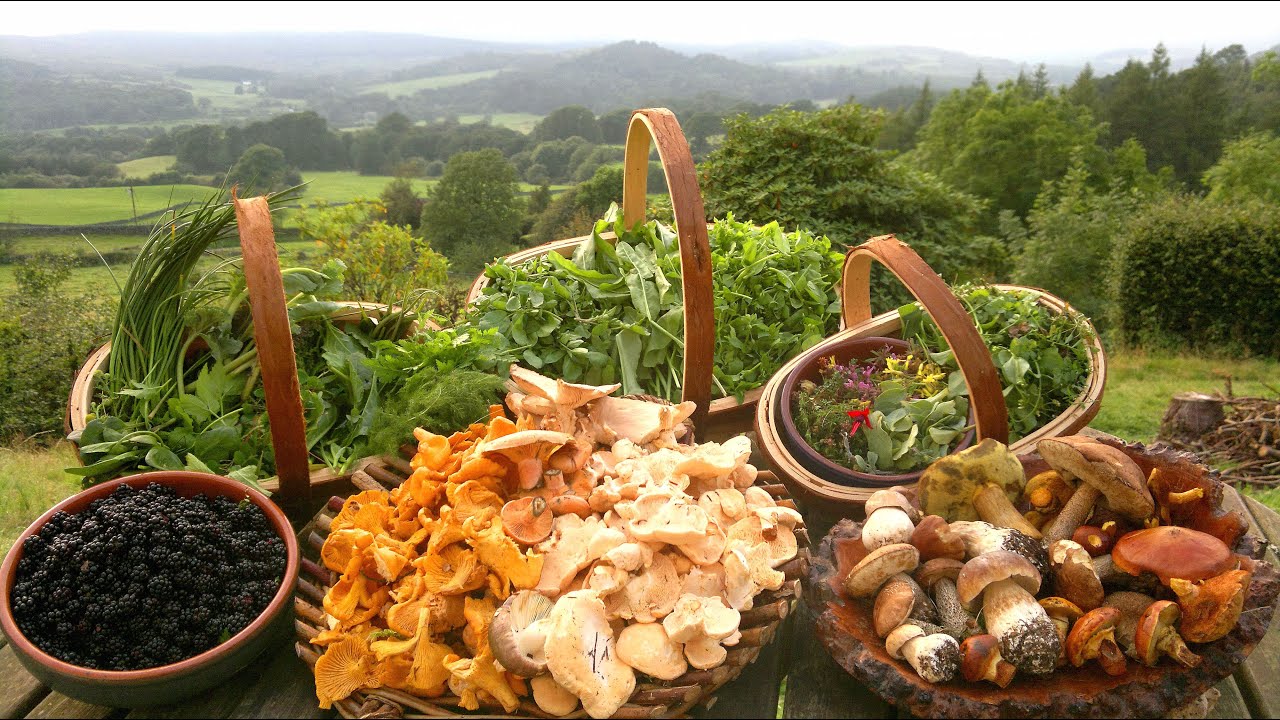
How to Correctly Identify Plants
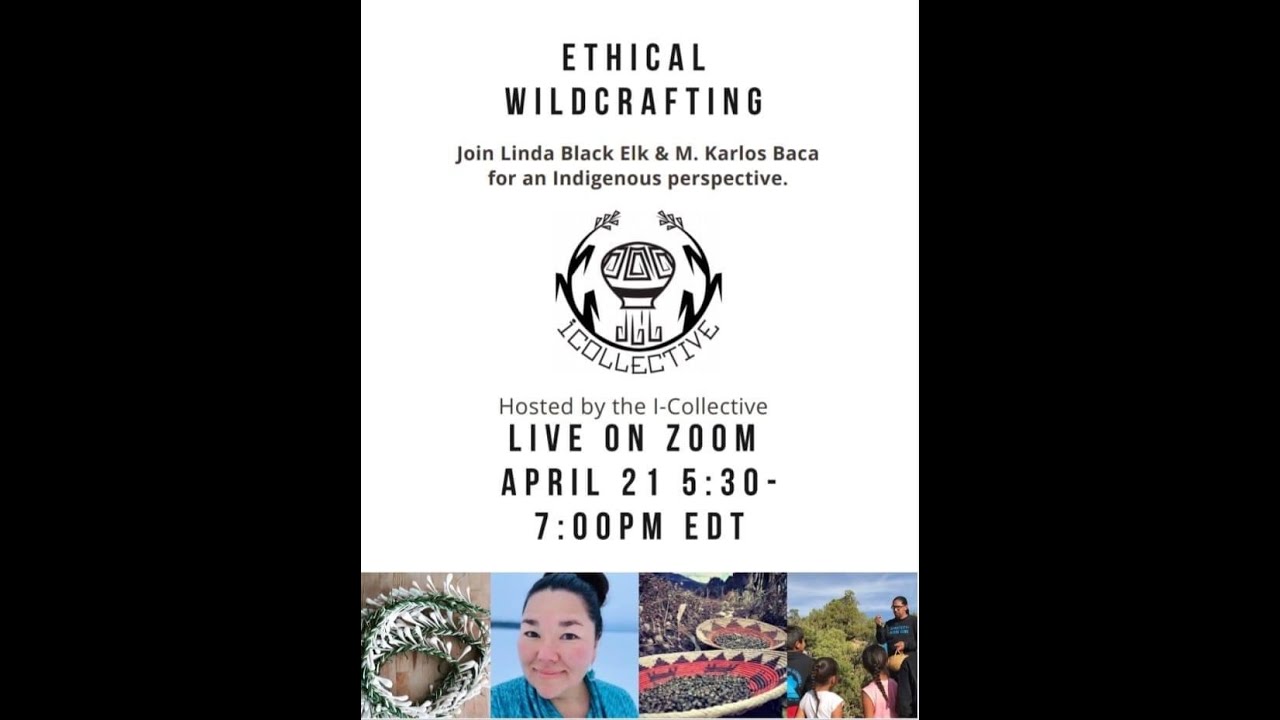
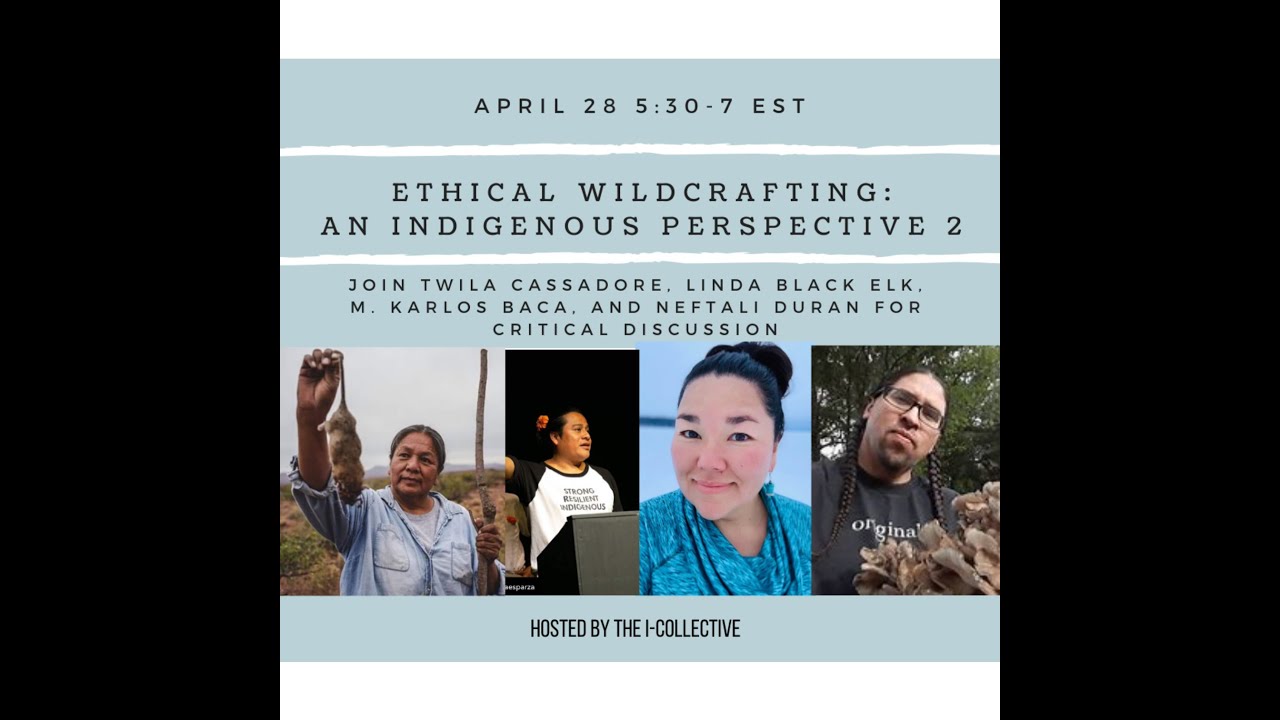
The Ethics of Wildcrafting
The Ethics of Wildcrafting Part 2
Wildcrafting begins with a shift in attention. It’s the moment you stop moving through a landscape as scenery and start moving through it as relationship. Plants are no longer background—they’re neighbors, teachers, and seasonal signals. To wildcraft is to gather from the land in a way that honors that relationship: slow, observant, reciprocal, and rooted in place.
At its core, wildcrafting is the practice of harvesting wild plants for food, medicine, craft, or ritual. But the deeper practice is learning to read the land. You start noticing who grows where, who arrives after rain, who thrives in disturbance, who prefers shade, who signals spring, who warns of drought. You learn the personalities of plants, not just their uses.
A good introduction always rests on three pillars:
1. Ecological Literacy
Wildcrafting begins with knowing the ecosystem you’re standing in. You learn the soil types, the watershed, the seasonal rhythms, the plant communities that tend to grow together. You start to understand why spicebush hugs the understory, why nettles cluster near old homesteads, why wild ginger prefers north‑facing slopes. This literacy keeps you oriented and keeps your harvest ethical.
2. Ethical Harvest
Wildcrafting is not extraction. It’s a practice of reciprocity—taking in a way that allows the plant to continue thriving. Ethical harvest means:
- Taking only what you need
- Leaving the healthiest plants to reproduce
- Avoiding rare or threatened species
- Harvesting in seasonally appropriate ways
- Knowing when not to harvest
The goal is to leave the place better—or at least intact—after you gather.
3. Sensory Relationship
Wildcrafting is as much about sensing as it is about collecting. You smell crushed leaves, feel textures, taste tiny samples, listen for birds that indicate certain habitats, watch how plants respond to weather. Over time, your senses become tuned to the land’s subtleties. This is where the mythic layer emerges: plants stop being “resources” and start being characters in a living story.
Wildcrafting isn’t a hobby; it’s a way of belonging. It teaches patience, humility, and attention. It roots you in the seasons. It builds a vocabulary of place. And it reminds you that the land is not a storehouse—it’s a community you’re part of.
One of the best books on wildcrafting is "From Earth to Herbalist"