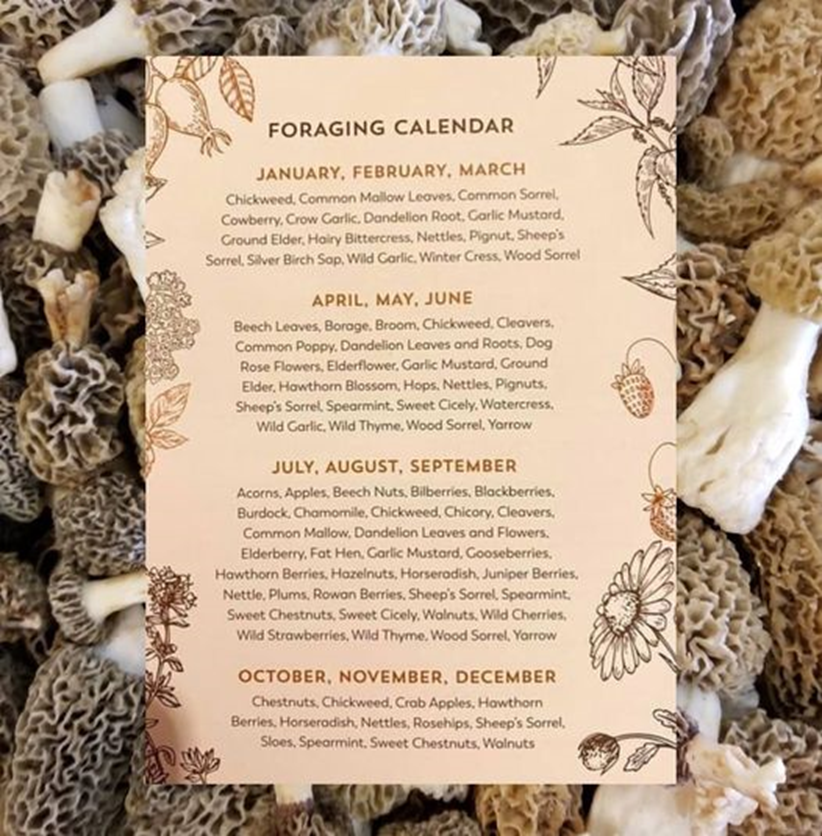
Foraging
Videos
Where to look for wild edibles
Helpful tools for foraging
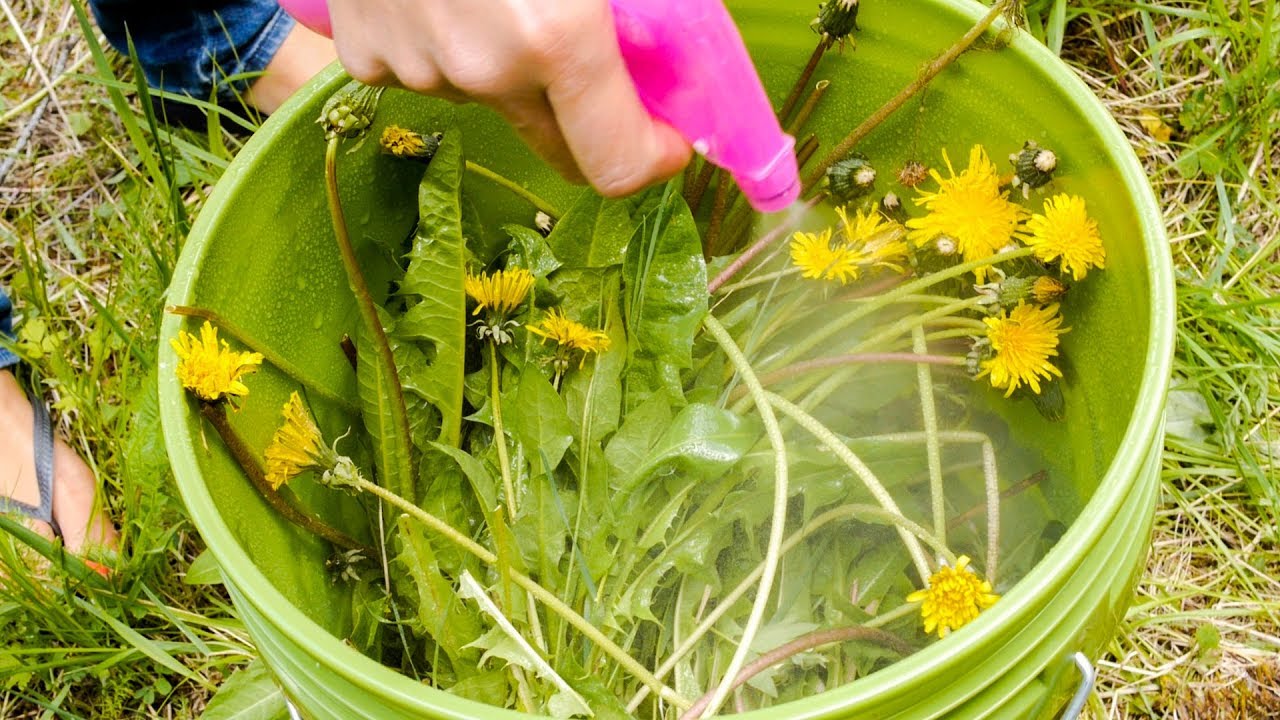
Edible City - Urban Foraging During Lockdown
Be Your Own Authority - A Forager's Perspective
Famine Foods - The foods we eat to survive
Book Review: Foraging Your Roots
For the best experience, join local foraging groups, or use region-specific guides. Respect the land, take only what you need, and leave no trace. Happy and safe foraging!
Safe foraging techniques emphasize knowledge, caution, respect for the environment, and legal/ethical practices. Foraging for wild edibles like fruits, nuts, and especially mushrooms in Arkansas (or anywhere) can be rewarding but carries risks—misidentification can lead to illness or worse. Here’s a practical guide based on best practices.
1. Education and Identification (The Golden Rule)
- Only harvest and eat what you can identify with 100% certainty. If in doubt, leave it out. No exceptions, especially for mushrooms.
- Use multiple reliable sources: Field guides specific to your region, apps (with caution), and cross-reference photos, descriptions, habitat, and spore prints (for mushrooms).
- Learn look-alikes: Many edibles have toxic twins (e.g., certain chanterelles vs. Jack-o’-lantern mushrooms).
- Start simple: Begin with easy-to-identify species like pawpaws, persimmons, pecans, or chicken of the woods before tackling trickier ones.
- Join local experts: Participate in forays with groups like the Arkansas Mycological Society or guided walks. Learn from experienced foragers in person.
2. Preparation and Harvesting Techniques
- Research before going: Know the plant/mushroom’s habitat, season, growth patterns, and preparation methods (many mushrooms must be cooked thoroughly).
- Tools: Carry a knife, basket or mesh bag (allows spores to disperse for mushrooms), field guide, gloves, and a notebook/phone for photos.
- Harvest sustainably:
- Take only what you need and will use.
- Leave plenty behind for wildlife, reproduction, and other foragers.
- For mushrooms, cut at the base rather than pulling up the mycelium; use mesh bags.
- For plants/nuts: Avoid stripping entire plants or branches.
- Site selection: Forage in clean areas away from roadsides, sprayed fields, industrial sites, or dog parks (risk of contaminants or toxins). Prefer pristine woods, parks where allowed, or private land with permission.
3. Safety Protocols
- Never forage alone (especially as a beginner): Two (or more) sets of eyes are safer. Tell someone where you’re going.
- Condition checks: Only take healthy, fresh specimens. Avoid damaged, buggy, or moldy ones.
- Testing new foods: When trying something new, start with a small cooked portion and wait 24+ hours to check for reactions. Cook most wild mushrooms thoroughly.
- Special risks:
- Mushrooms: No reliable “rules of thumb” (e.g., color or peeling) work. Some toxins are deadly.
- Plants: Learn poisonous Arkansas species (e.g., poison ivy, certain nightshades, water hemlock).
- Allergies/sensitivities: Individual reactions vary.
- Gear and conditions: Dress appropriately (ticks, snakes, poison ivy in Arkansas), bring water, and check weather.
4. Legal and Ethical Considerations
- Know the rules: Foraging is often restricted in state parks, national forests (check Ozark/Ouachita NFs), or private land. Get permission where needed. Some areas prohibit it or limit quantities.
- Stewardship: Favor abundant or invasive species when possible. Avoid rare/endemic plants. Leave the area better than you found it.
5. Additional Tips for Arkansas Autumn Foraging
- Focus on post-rain cool periods for mushrooms.
- Combine with nut/fruit foraging (e.g., pecans, persimmons) for a safer start.
- Document finds with photos of the whole organism, habitat, and details.
Foraging builds deep nature knowledge over time. Begin small, prioritize safety and learning, and treat it as a lifelong skill. Resources like local mycological societies, university extension offices (e.g., University of Arkansas), and reputable field guides are excellent starting points. Stay safe and enjoy responsibly!
ARTICLES
AI Is Writing Books About Foraging. What Could Go Wrong?