Weak Rush
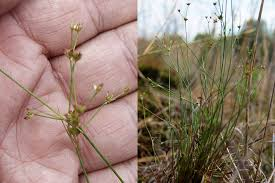
Juncus debilis, commonly known as the weak rush, is a perennial herbaceous plant belonging to the Juncaceae family. This species is native to North America and is typically found in wetland habitats, including marshes, swamps, and along the edges of ponds and streams. Its unique characteristics and ecological significance make it an interesting subject for botanists and ecologists alike.
Taxonomy and Nomenclature
- Kingdom: Plantae
- Clade: Angiosperms
- Order: Poales
- Family: Juncaceae
- Genus: Juncus
- Species: J. debilis
The scientific name Juncus debilis was first described by botanists and has since been a subject of various taxonomic studies. The term "debilis" is derived from Latin, meaning "weak" or "feeble," which refers to the plant's delicate and slender structure.
Morphological Characteristics
Stems and Leaves
Juncus debilis features slender, cylindrical stems that can grow up to 50 cm in height. The stems are typically green and smooth, with a somewhat weak and flexible nature. The leaves are reduced to sheaths at the base of the stems, which is a common characteristic of the Juncus genus. These sheaths are often brownish and papery, providing minimal photosynthetic function.
Flowers and Fruits
The plant produces small, inconspicuous flowers that are arranged in loose clusters called inflorescences. Each flower consists of six tepals (three sepals and three petals that are similar in appearance), six stamens, and a single pistil. The flowers are typically greenish or brownish in color and bloom from late spring to early summer.
The fruit of Juncus debilis is a small, dry capsule that contains numerous tiny seeds. These seeds are dispersed by wind and water, allowing the plant to colonize new areas within its wetland habitat.
Habitat and Distribution
Juncus debilis is primarily found in the southeastern United States, although its range extends into parts of the Midwest and Northeast. It thrives in wet, marshy environments where the soil is consistently moist or saturated. The plant is well-adapted to both freshwater and brackish conditions, making it a versatile species within its ecological niche.
Ecological Role
As a wetland species, Juncus debilis plays a crucial role in maintaining the health and stability of its ecosystem. It helps to:
- Stabilize soil and prevent erosion along water bodies.
- Provide habitat and food for various wildlife species, including insects, birds, and small mammals.
- Filter and purify water by trapping sediments and absorbing nutrients.
Conservation Status
Currently, Juncus debilis is not listed as a threatened or endangered species. However, like many wetland plants, it faces potential threats from habitat destruction, pollution, and climate change. Conservation efforts aimed at preserving wetland habitats are essential for ensuring the continued survival of this and other wetland-dependent species.
Uses and Applications
While Juncus debilis is not widely known for its economic or medicinal uses, it does have some applications in ecological restoration and landscaping. Its ability to thrive in wet conditions makes it a valuable plant for:
- Wetland restoration projects aimed at improving water quality and habitat diversity.
- Erosion control along the banks of streams, ponds, and other water bodies.
- Natural landscaping in areas with poor drainage or frequent flooding.